

9 Things Pennsylvania Retirees Should Weigh Before Downsizing

Pennsylvania’s Property Tax/Rent Rebate sends checks of $380 to $1,000 to older homeowners and renters with income at or below $48,110.
Moving can change that number.
So can a handful of other things a downsizing retiree does without thinking of them as tax decisions.
These are the things Pennsylvania retirees should weigh before downsizing.
Note: This is general information, not financial, tax, or legal advice, and every figure here is subject to change.
1. The Homestead Exclusion That Doesn’t Follow You
Pennsylvania’s homestead exclusion knocks a chunk off a homeowner’s school property tax bill on their primary residence.
Many retirees have carried that exclusion for years without ever having to reapply.
It doesn’t move with them.
County assessment offices, including Chester County’s, confirm a homeowner has to file a brand-new application at the new address.
Pennsylvania’s Department of Community and Economic Development sets that application’s deadline at March 1 of the year the tax break should start.
Miss that date, and the new address goes a full year without the break.
2. How Moving Changes the Property Tax/Rent Rebate
Pennsylvania’s Property Tax/Rent Rebate Program sends yearly checks to older homeowners and renters whose income falls at or below $48,110.
The standard rebate runs from $380 to $1,000, based on income alone.
The zip code counts too.
Residents of Philadelphia, Scranton, and Pittsburgh with income at $32,070 or less collect an extra supplemental payment automatically.
Anyone elsewhere in Pennsylvania gets that same supplement at that same income level if their property tax tops 15% of it.
Downsizing across a city line can raise or shrink that supplemental check without changing a retiree’s income at all.
3. The Deed Addition’s Inheritance-Tax Trigger
Pennsylvania taxes an estate no matter how modest it looks on paper.
Downsizing plans sometimes include adding a child’s name to the new deed to skip probate later.
That move can backfire.
Montgomery County’s Register of Wills confirms Pennsylvania has a catch for last-minute transfers.
Create joint ownership of a property within a year of death, and the full value becomes taxable in the estate anyway.
The standard rates still apply on top of that: 4.5% for children and other lineal descendants, 12% for siblings, and 15% for everyone else.
A retiree who wants a child’s name on a deed is better off making that move years in advance, not during a health scare.
4. Realty Transfer Tax on Both Ends
Pennsylvania collects a realty transfer tax every time a deed changes hands.
A downsizing retiree pays it twice: Once selling the old house, once buying the smaller house.
That adds up fast.
The state’s share is a flat 1% of the sale price, collected on top of whatever the county and municipality add.
Philadelphia’s combined rate is now 4.578%, a jump the city made in July 2025 to fund affordable housing.
On a $300,000 sale, that’s roughly $13,700 gone before the moving truck even shows up.
Many Pennsylvania municipalities charge far less than Philadelphia does, but the total is worth pricing out before signing anything.
5. The Permanent Storage Bill
A Philadelphia retiree downsized from a six-bedroom Wynnefield house into a three-bedroom apartment and kept the piano and the dining room set that didn’t fit.
She pays about $380 a month for the storage unit holding them, the Philadelphia Inquirer reported.
That’s not a one-time expense.
A storage unit adds up fast once a short-term plan turns into years.
Deciding what to keep before the move, instead of after, is what keeps that bill from starting in the first place.
6. The Yard Work That Survives Downsizing
A smaller Pennsylvania house still comes with a yard, a driveway, and a roof, unless the deal trades those chores away too.
Snow removal, roof repairs, and lawn care follow a buyer into almost any single-family home, no matter how much smaller the new house is.
Retirees still have to run the mower themselves.
Some retirees skip the yard work entirely by choosing a maintenance-included townhouse, a 55-plus community, or a continuing care retirement community (CCRC) that bundles grounds work into one monthly fee.
A fee replaces the chore.
Pricing both out before picking an option beats finding out afterward.
What a Pennsylvania CCRC Entrance Fee Buys
A continuing care retirement community, or CCRC, charges an entrance fee that can run from a few thousand dollars to $1 million, according to Pennsylvania’s Insurance Department.
That fee typically takes about five years to earn out.
A resident who leaves or passes away before then gets back whatever portion the community hasn’t earned yet.
Every Pennsylvania CCRC has to hand new and prospective residents a financial disclosure statement showing the community’s finances, updated every year.
No community can require a resident to sign over other assets to move in.
7. The Savings HOA and Condo Fees Erase
Trading a house for a condo or a townhouse in Pennsylvania often means trading a mortgage payment for a homeowners association (HOA) or condo fee instead.
The number matters.
Nationally, condo and HOA fees carry a median cost of $135 a month, according to the Census Bureau’s 2024 American Community Survey.
Close to 3 million households pay more than $500 a month.
Some of those fees cover a lot: Snow removal, trash, the roof, sometimes water.
Others cover a clubhouse and a gate.
Get the fee in writing before comparing it against whatever the current yard work costs.
8. The Hot Market’s Two-Way Cut
Pennsylvania’s housing market has recently favored sellers, and that cuts two ways for anyone downsizing.
Homes across the state recently sold in a median of 39 days and fetched 98.9% of their asking price, according to Redfin’s tracking of the market.
That’s up 3 days on market from a year earlier, alongside a 5.9% jump in the median sale price.
Selling high is easy.
Buying the smaller replacement means stepping into that same competitive market, where a retiree can lose a bidding war on a smaller house just as easily as anyone else.
Timing the sale and the purchase close together takes careful planning in a market moving this fast.
Psst! How many of these downsizing myths would fool you? Tap each card to see if you called it right.
9. Smaller Towns, Longer Hospital Drives
Downsizing a Pennsylvania house doesn’t automatically mean moving to a smaller town, but the two decisions often travel together.
Buyers 60 and older bought a home in a small town or rural area 41% of the time in 2025, according to the National Association of Realtors.
That same age group downsized the homes they sold by about 100 square feet that year.
Smaller Pennsylvania towns often mean a smaller hospital, or none at all within an easy drive.
Distance matters.
Rural Pennsylvania hospitals have closed before.
Ellwood City Medical Center, in Lawrence County, shut down completely in December 2019.
UPMC Lock Haven, part of the University of Pittsburgh Medical Center (UPMC) network in Clinton County, downsized to an outpatient-only emergency department in 2023.
The most recent was McKean County’s Bradford Regional Medical Center, which stopped running its emergency room, inpatient beds, and long-term care unit in May 2026.
That’s not a reason to rule out a smaller town.
It’s a reason to check how far the nearest full-service emergency room sits before signing anything.
The Growing Retiree Population
Pennsylvania keeps getting older.
More than one in five state residents were 65 or older as of the Census Bureau’s mid-2025 population estimate, at 21.4%.
That share grew nearly 11% between 2020 and 2024.
Pennsylvania is home to more than 13 million people, and 69.3% of the state’s housing units are owner-occupied, according to the same Census Bureau data.
Pennsylvania’s housing stock is aging right along with its homeowners.
The state’s typical home was built in 1964, a median age of 57 years, according to the Pennsylvania Housing Finance Agency’s 2023 housing study.
9 Home Heating Assistance Programs Pennsylvania Retirees Overlook
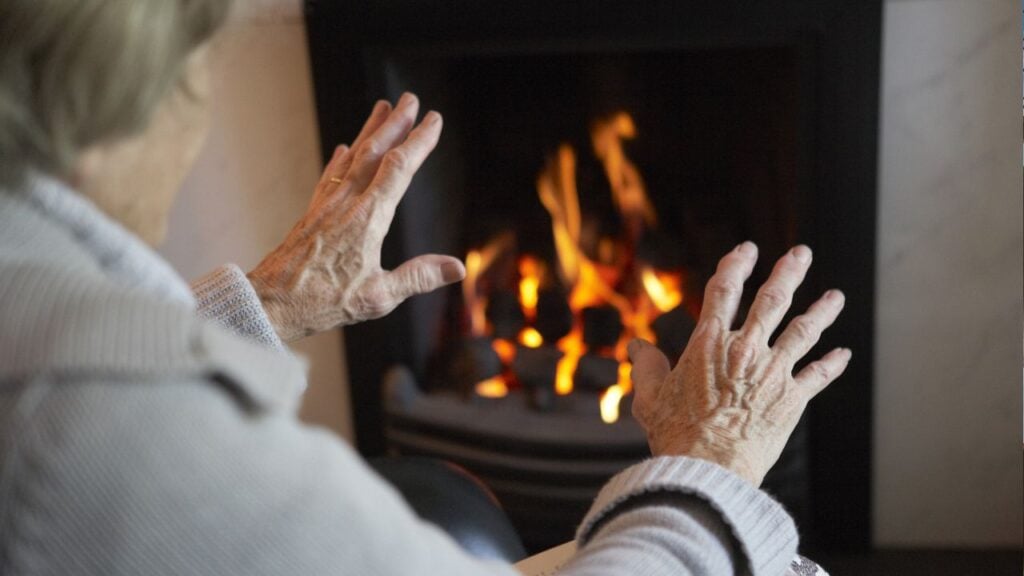
A Pittsburgh retiree calls her gas company in January, braced to negotiate a shutoff notice.
She hangs up enrolled in a program that forgives her old balance one payment at a time, and Pennsylvania runs several more that work the same way.
9 Home Heating Assistance Programs Pennsylvania Retirees Overlook
8 Pennsylvania Deed Problems Homeowners Find Out About at the Worst Time
A Pennsylvania court record can attach a stranger’s unpaid debt to a home for one reason: Sharing that stranger’s name.
A defect like that can sit in a deed for years before a sale, a refinance, or a death forces the file back open.
8 Pennsylvania Deed Problems Homeowners Find Out About at the Worst Time
