
9 Things Pennsylvanians Put Off in August That Cost Them All Winter

A furnace technician outside Allentown takes a call at 6 a.m. on the coldest morning of the year.
He already knows what he’ll find before he opens his truck door.
A system that would have passed a $150 tune-up back in August now needs a same-day repair that costs three or four times as much.
These are the things Pennsylvanians put off in August that cost them all winter.
Note: This is general information, not financial or insurance advice. Prices, program rules, and deadlines are subject to change.
1. Putting off Your Chimney Sweep
Pennsylvania homeowners who light the first fire of the season in November are often lighting it inside a chimney nobody’s swept since spring.
A dirty flue does more than sit there waiting for spring cleaning.
Soot and creosote restrict the draft, and a layer just a tenth of an inch thick can cut a fireplace’s heat-transfer efficiency in half, according to Chimney Solutions.
That means a wood stove or fireplace insert burns through more fuel for the same heat, all season, not just on one bad night.
A chimney sweep and inspection in August costs $129 to $381, averaging around $254, according to Angi.
Skip it, and there’s a second cost that builds through the winter too: Minor repairs like a cracked cap or crown run $200 to $850, and a fire-damaged liner replacement runs $1,500 to $7,000.
That adds up fast.
An August sweep heads off both bills at once.
2. Skipping Your Furnace Tune-Up
Pennsylvania winters run five or six months long, and a furnace that skipped its August tune-up spends every one of them working harder than it should.
A routine furnace tune-up in August costs $130 to $200, and covers a full inspection plus a cleaning of the burners and sensors, according to HomeGuide.
Skip it, and a neglected furnace can use 10% to 20% more energy than a serviced one, adding an estimated $15 to $40 to a Pennsylvania heating bill every month of the season, according to Boulden Brothers.
That’s $150 to $400 or more in wasted energy by the time spring arrives.
Wait until the furnace fails outright on a January night, and emergency heating, ventilation, and air conditioning (HVAC) service runs $140 to $210 an hour before a technician replaces a single part.
Ouch.
A typical furnace repair runs $100 to $600, and a failed blower motor or heat exchanger can push it well past that.
Pennsylvania HVAC companies book up fast once the first cold snap hits, so August is the easier month to land an appointment.
What a Skipped Tune-Up Costs a Pennsylvania Furnace Every Month
A skipped $130-to-$200 August furnace tune-up doesn’t just risk a cold house.
A neglected furnace can use 10% to 20% more energy than a serviced one, adding an estimated $15 to $40 to the bill every month of the season, according to Boulden Brothers.
That’s the gap between one planned August expense and well over a hundred dollars in wasted energy by spring.
3. Missing the Heating Oil Price Lock
Pennsylvania homes in rural stretches of the Poconos, the Lehigh Valley, and the state’s north-central counties often run on heating oil instead of natural gas.
Heating oil in Pennsylvania spiked to $5.20 a gallon by March 23, the highest price of last winter, according to the U.S. Energy Information Administration.
Pennsylvania oil dealers sell pre-buy plans that have to be purchased before the heating season starts, and some budget plans begin billing as early as August.
Enroll in August, and that per-gallon price holds for every delivery through the end of winter.
Miss the window, and every fill-up rides the spot market instead, the same market that hit $5.20 a gallon last winter.
No lock, no discount.
The truck shows up with a new number on the invoice every time it does.
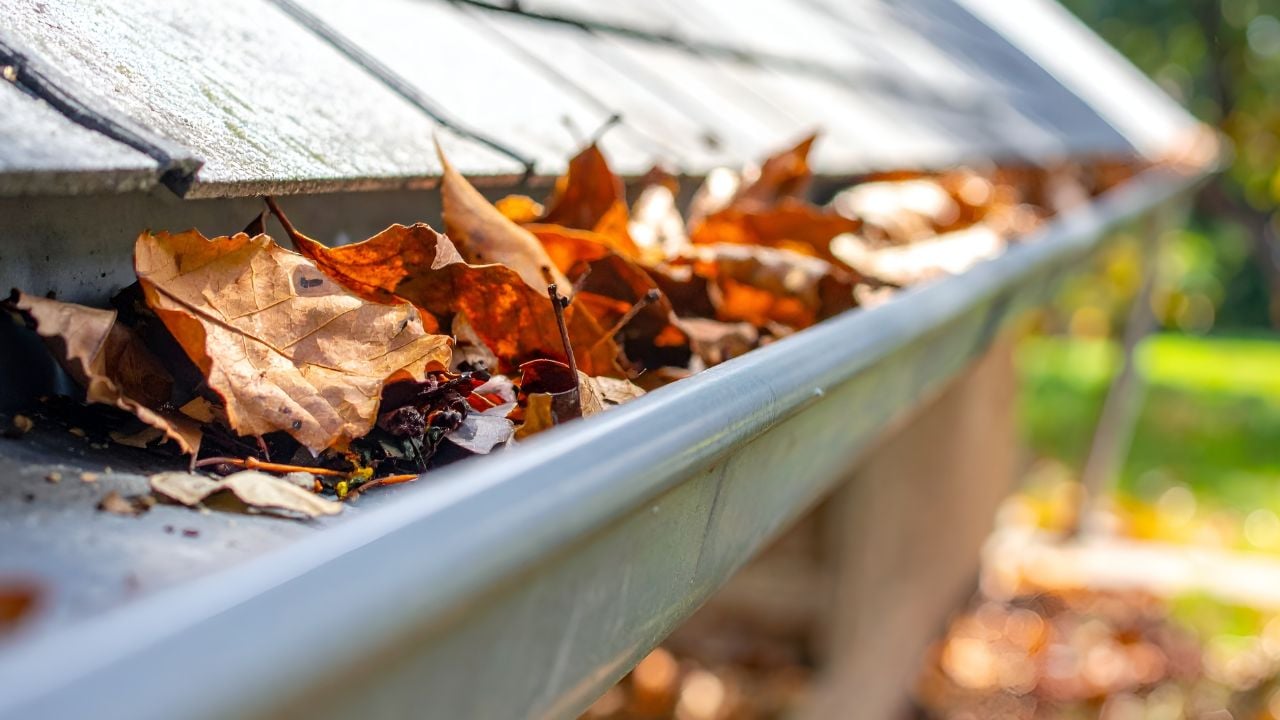
4. Skipping Gutter Cleaning
Pennsylvania’s maple and oak canopy drops a season’s worth of leaves into every gutter across the state by late October.
A professional gutter cleaning in August costs $119 to $234, according to Angi.
Leave the leaves in place, and melting snow has nowhere to drain.
It backs up, freezes, and forms an ice dam along the roofline.
Then it happens again.
Ice dams reform after every thaw-and-refreeze cycle for the rest of the season, and removal alone runs $650 to $2,000, averaging around $1,200 nationally.
That’s before anyone touches the water stains on the ceiling below.
5. Ignoring Your Pipe Insulation
Pennsylvania basements, crawl spaces, and exterior walls hide long stretches of hot water pipe that run through unheated space all winter.
Foam pipe insulation costs $0.50 to $3 a linear foot, cheap enough to wrap an entire basement for well under $50.
Skip it, and that pipe run loses heat with every gallon that travels through it, all season long.
Insulating hot water pipes cuts that standby heat loss and saves homeowners 3% to 4% on their water heating costs every year, according to the Department of Energy.
A small line item, month after month.
There’s a second cost that shows up only once, but it’s a bigger one.
A burst pipe repair runs $400 to $2,000, and water damage restoration on top of it adds $1,000 to $5,000 or more.
Many homeowners insurance policies require a home to hold at least 55 degrees, and an insurer can deny a frozen-pipe claim if that heat wasn’t maintained.
The insurer says no.
Insulate the pipes in August, and none of it gets the chance to start.
Psst! How much do you know about Pennsylvania winters and the help available to pay for them? Take our quiz and see if you can ace it.
Quiz
Pennsylvania Winter Prep IQ
Answer these questions on Pennsylvania winters, snow records, and heating help. We bet you can’t get them all right. Prove us wrong?
What’s the coldest temperature ever officially recorded in Pennsylvania?
6. Skipping Your Water Heater Flush
Sediment doesn't wait for a water heater to fail before it starts costing money.
Pennsylvania's hard water leaves a layer of it sitting at the bottom of a water heater tank all year, and by winter it's thick enough to matter.
A professional flush in August costs $75 to $150, and clears out the layer that makes a tank work harder to hold its temperature, according to Angi.
A badly clogged tank can spike a household's energy costs by 20% or more, according to ENERGY STAR, the federal energy-efficiency rating program, and that extra cost rides every bill from November through March.
Skip the flush for a few years running, and the sediment does more than pad the bill.
It eats away at the tank from the inside.
Eventually it fails.
Replacement then costs $881 to $1,826 on average, according to HomeAdvisor, though a tank-style unit alone can run $600 to $2,500 depending on size and fuel type, and it tends to happen in January, right when hot water use peaks.
A houseful of cold showers makes for a rough week while a plumber works you into the schedule.
7. Putting off Your Attic Insulation
Pennsylvania attics lose heat faster than almost any other part of the house, since warm air rises straight up and out through a thin layer of old insulation.
Topping off attic insulation in August costs $1,000 to $2,700 for a typical home, averaging around $1,800, according to HomeGuide.
That upgrade cuts annual heating and cooling costs by 10% to 20%, or roughly $200 to $400 a year for a 1,500-square-foot home.
Worth doing.
Skip it, and that same $200 to $400 doesn't disappear.
It just leaves through the roof, a little at a time, every month of winter.
Nobody notices a bad attic in August.
Everybody notices the bill in February.
8. Skipping Your Weatherstripping
Pennsylvania homes lose up to 30% of their heating and cooling energy through air gaps around windows and doors, the exact gaps weatherstripping is built to close, according to the U.S. Department of Energy.
Weatherstripping and caulking a whole house in August costs $132 to $436, averaging around $284, according to Angi.
That's a weekend project for many homeowners, and it doesn't cost much.
Sealed up, a home can save 10% to 15% on its heating bill for the whole season.
Skip it.
Left drafty, you end up heating the sidewalk outside every window, every month, all winter.
9. Delaying Your Weatherization Assistance Application
Pennsylvania runs a free Weatherization Assistance Program for income-eligible homeowners and renters, covering insulation, air sealing, and furnace repairs at no cost to the household.
A single person qualifies at up to $31,920 a year, and a family of four qualifies at up to $66,000, under the program's limit of 200% of the federal poverty level.
Applications move through a waiting list, and an August applicant has a strong chance of getting the work done before the first freeze.
Wait until winter, and that same household often finishes the season still sitting on the list instead of off it.
That's not a small gap.
Weatherized households save $372 a year on energy, on average, according to a Department of Energy evaluation.
A household that misses this year's queue pays that difference out of pocket, all winter, with nothing to show for it come spring.
9 Pennsylvania Property Tax Breaks Retirees Leave on the Table

Pennsylvania's property tax rebate rose to $1,000 this year, the biggest check the program has ever cut.
Nearly 376,000 Pennsylvanians are collecting the rebate, and many more qualify without realizing it.
9 Pennsylvania Property Tax Breaks Retirees Leave on the Table
10 Problems Pennsylvania Home Inspectors Find
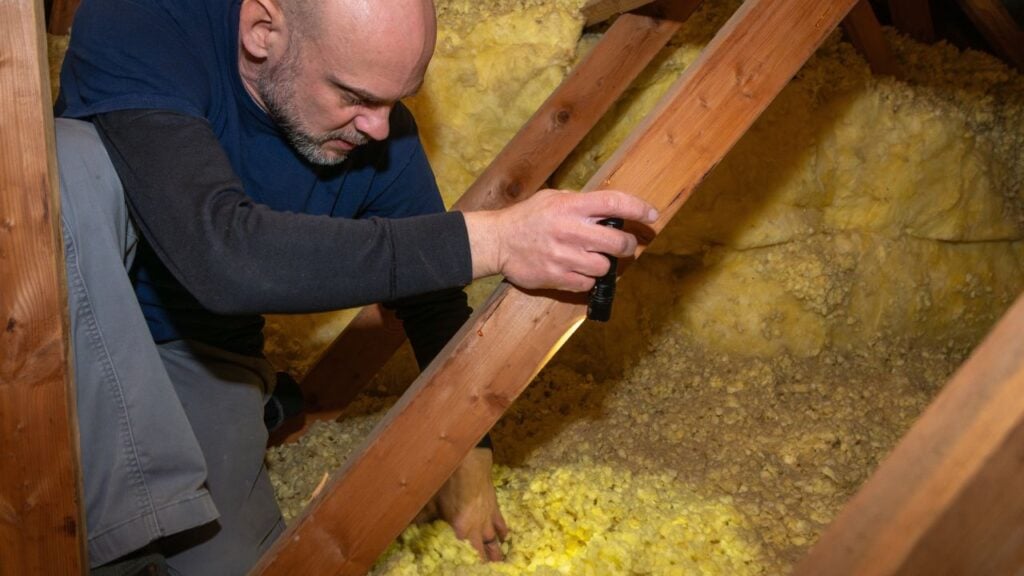
A young couple in a stone farmhouse outside Lancaster is already picking paint colors for the hallway while their inspector works the basement.
He's circling something on his clipboard that never came up during their walkthrough.
10 Problems Pennsylvania Home Inspectors Find That Buyers Walk Right Past
