
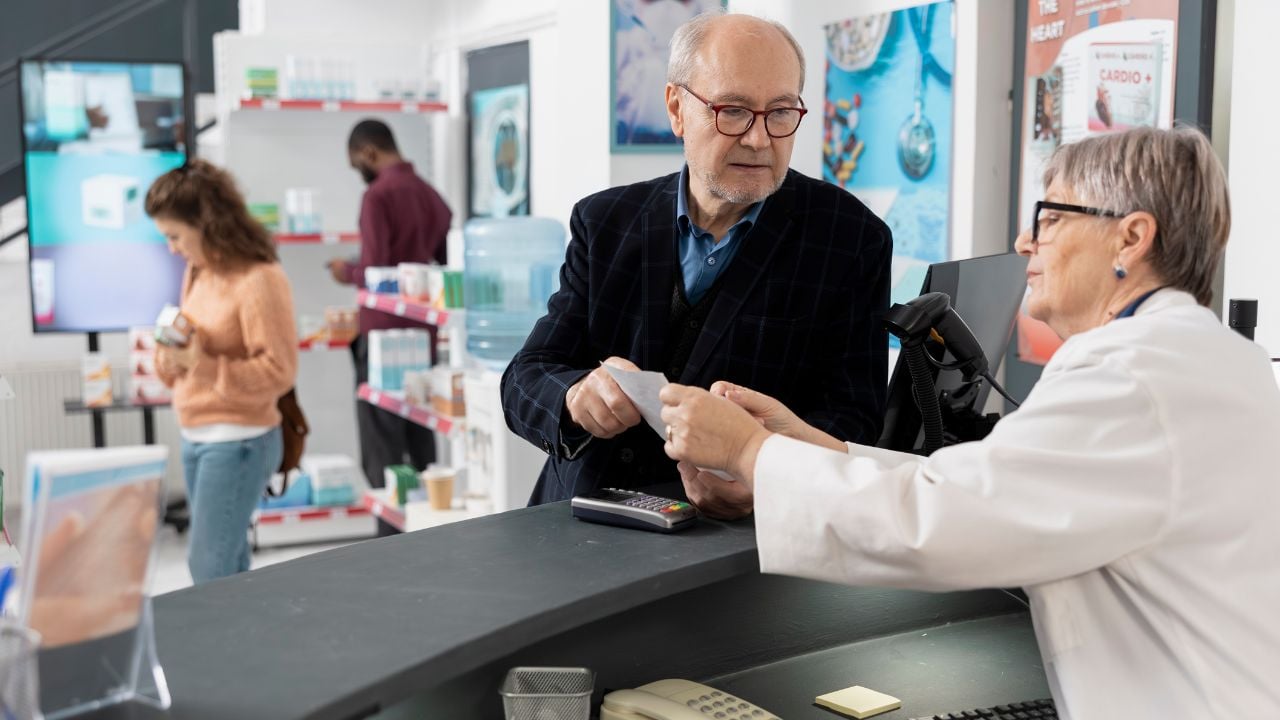
9 Things Virginia Pharmacies Won’t Always Mention Unless You Ask

Ask a Virginia pharmacist the right question, and the price on the screen can drop before you swipe your card.
These are some questions worth asking your pharmacy before filling your next prescription.
Note: This is general information, not financial or insurance advice. Pharmacy discount programs, prescription prices, and insurance rules are subject to change.
1. Discount Cards
Pharmacies like CVS, Walgreens, and Walmart already run programs such as GoodRx and SingleCare in the background of their checkout systems.
Nine of every ten prescriptions filled nationwide are for generic drugs.
A discount card often beats a copay on exactly those.
The register runs your insurance automatically unless someone at the counter says otherwise.
Pull a discount card up on your phone, or hand over a printed card, and ask the pharmacist to run it instead to see if you can save money.
2. Cash Price Checks
Virginia pharmacists can tell you outright when the cash price beats your copay, a right Congress only guaranteed nationwide in 2018.
Before that, many insurance contracts didn’t let pharmacy staff bring up the comparison first.
The habit stuck around anyway.
Ask what the cash price runs before the pharmacist rings anything up.
Why Your Copay Can Cost More Than Cash
Virginia pharmacies run two separate prices behind the counter for the exact same prescription.
One is the copay your insurance sets, and the other is the cash price the pharmacy would charge without insurance at all.
For years, many insurance contracts didn’t let pharmacy staff say out loud which number was lower.
Congress banned that practice nationwide in 2018 with the Know the Lowest Price Act and the Patient Right to Know Drug Prices Act.
A pharmacist can tell you today if cash beats your copay, but the register still defaults to running your insurance first unless you ask.
3. Virginia Drug Card
Virginia runs its own free prescription discount program called the Virginia Drug Card, and pharmacies across the Commonwealth already accept it without a fuss.
It isn’t insurance, needs no application, and knocks off an average of 30%, sometimes as much as 80%.
Food Lion, Giant, and Harris Teeter pharmacies across Virginia take it, along with thousands of other independent and chain pharmacies nationwide.
Nobody hands it over first.
Print the Virginia Drug Card at home or pull it up on your phone, and ask the pharmacist to run it instead of your insurance.
4. CVS Pharmacy & Health Rewards
CVS pharmacies across Virginia run a second loyalty program layered on top of the regular ExtraCare card, a separate sign-up nobody walks you through at checkout. Consumer Value Stores (CVS) was the chain’s original name.
No heads-up given.
A 30-day prescription fill earns one credit, a 90-day fill earns three, and a flu shot or other vaccination earns one more.
Every ten credits converts into ExtraBucks Rewards worth $5, printed on the receipt about a week later.
CVS doesn’t fold pharmacy customers into it automatically, even ones who already carry a regular ExtraCare card.
The credits only start piling up once the pharmacy staff link the two accounts by request.
5. 90-Day Fills
Virginia pharmacies will fill a maintenance prescription for blood pressure, cholesterol, or thyroid medicine 90 days at a time instead of 30, right at the retail counter.
Many insurance plans price it at two copays instead of three for those same three months.
That’s one fewer copay every three months.
Ask, and it’s yours.
It just isn’t the default fill length.
Your doctor has to write the script that way, or the pharmacist has to request the change.
Skip that step, and the pharmacy just keeps cycling the same 30-day refill every month.
Psst! How much do you know about the history behind your prescriptions? Take our quiz and see how many you can get right.
Quiz
Pharmacy Trivia IQ
Answer these questions on prescriptions, generics, and pharmacy history. We bet you can’t get them all right. Prove us wrong?
What does the “Rx” symbol on a prescription stand for?
6. Manufacturer Copay Coupons
Virginia pharmacies rarely mention manufacturer copay cards unless you bring it up first.
Not their default script.
Drug manufacturers fund those cards for pricier brand-name medicine.
A manufacturer coupon can drop a $150 brand-name copay down to $10 or less for an eligible patient.
These only apply to brand-name drugs without a generic equivalent.
Commercial insurance usually has to be in the mix, since Medicare and Medicaid patients typically don't qualify.
That's worth ten seconds to ask.
Don't assume a brand-name price is set in stone.
7. Kroger Rx Savings Club
Kroger and many Harris Teeter pharmacies across Virginia sell an annual membership called the Kroger Rx Savings Club.
Hardly any shoppers hear about it at the register.
It costs $36 a year for one person or $72 for a family of up to six.
Over 100 generics drop to $6 or less with it.
Nobody signs you up automatically.
You ask the pharmacy counter for the enrollment form yourself.
8. Interchangeable Biosimilars
Ask a Virginia pharmacist to substitute a cheaper interchangeable biosimilar for your biologic. Virginia's 2013 law, the first in the country to spell out that swap, lets them do it right at the counter.
Insulin and other injectable biologics are the biggest category eligible for the swap.
Insulin costs add up fast.
A Virginia pharmacist won't reach for that swap unless you ask.
Once they do make the switch, state law requires they tell you before dispensing.
9. Pill Splitting
A Virginia pharmacist can help you stretch a prescription further by filling it at double strength and splitting each tablet in half.
A pill twice the dose rarely costs twice the price, so splitting it can shrink your monthly total by close to 50%.
Nothing about a routine fill nudges you toward this option. A pharmacist won't rewrite your prescription on their own, so the savings sit unused until you or your doctor requests the higher-strength script.
The tablet also has to be approved for splitting by the Food and Drug Administration (FDA), usually marked with a score line down the middle.
Not every drug qualifies.
A pharmacist can flag which of your prescriptions are candidates in under a minute, information that otherwise just sits in the system.
Which Pills a Virginia Pharmacist Won't Split
A Virginia pharmacist won't split extended-release, enteric-coated, or capsule formulations, since none of them make the approved-to-split list.
No exceptions.
Cutting those forms destroys the timed-release coating that controls how the drug enters the bloodstream, which is why splitting only works on a narrow slice of tablets, not the typical prescription.
A plastic pill splitter runs a couple of dollars at the pharmacy counter and cuts a straighter line than a kitchen knife. An uneven half can shift the actual dose enough to blunt both the savings and the treatment.
12 Home Repairs Virginians Are Told They Need That Rarely Matter

A home inspector circles a thin crack in a Lynchburg basement wall, and three companies call about it before the weekend's out.
Two say "structural" before anyone's measured a thing.
12 Home Repairs Virginians Are Told They Need That Rarely Matter
9 Ways Virginians Keep Ticks Out of Their Yard Before Fall
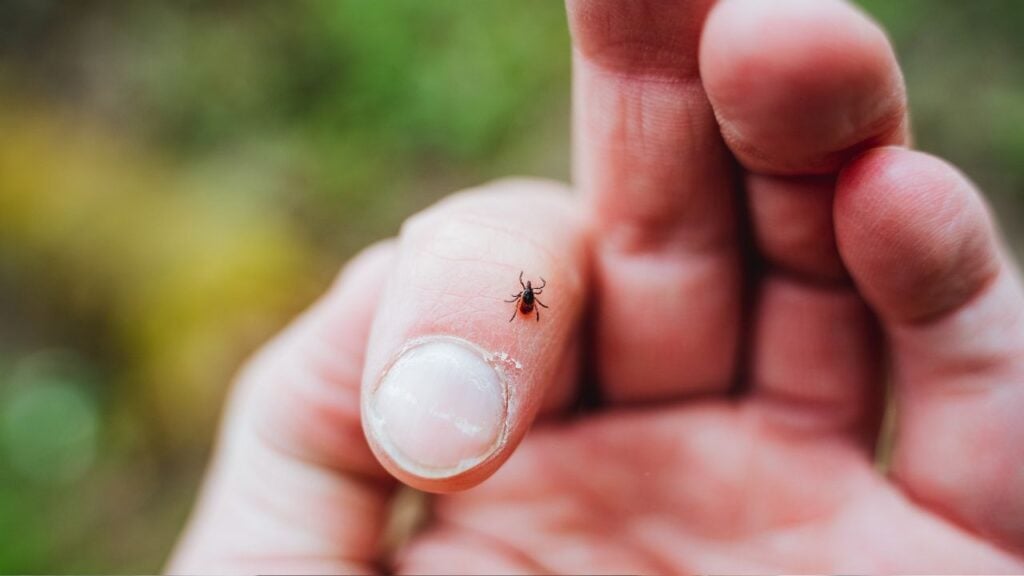
Think tick season winds down once school starts back up in Virginia?
Adult blacklegged ticks stay active clear into winter, right as many people put the bug spray away for the year.
