

7 Things a Missouri Towing Company Can’t Legally Do With Your Car

You walk up to the tow lot window with your wallet already out.
It’s a tense spot. You wonder where the company behind that window draws the line.
These are the things a Missouri towing company can’t legally do with your car, under state law and Kansas City’s city code.
Note: This is general information, not legal advice. Towing laws and city ordinances are subject to change, so confirm the current rules with the Missouri Attorney General’s Office.
1. Towing Without Written Permission
Unless a police officer authorizes the tow, a towing company can’t remove your car from a private parking lot without written authorization from the property owner.
A property owner can’t give a towing company standing permission to take any car it spots.
That ban doesn’t cover a car unlawfully parked within fifteen feet of a fire hydrant or in a designated fire lane.
The company has to keep each written authorization on file for at least one year.
A towing company that removes a car without that authorization owes the property owner four times the towing and storage charges.
If a property owner has your car removed without following the state’s towing rules, that owner owes you double the storage or towing charges.
You can recover damages for harm to your car from anyone who ordered or carried out the removal.
2. Charging Full Price Before Removal
A towing company can’t charge its full towing fee if you reach your car before the truck removes it from the property.
It can charge no more than half its regular towing fee.
The regular towing charge applies only after your car has been removed from the property and is in transit.
In Kansas City, the city’s Tow Bill of Rights bars a company from towing your car if you’re there and can move it before it leaves the property.
If your car is already hooked up to the truck, the company’s drop fee, a reduced charge for releasing it, tops out at $132.50.
Kansas City’s Tow Price Caps
Kansas City caps what a towing company can charge to tow most passenger vehicles from private property at $265.
A tow of a car reported stolen has a lower cap of $120.
For a private tow, the Tow Bill of Rights adds a maximum retrieval fee of $25 for getting your car back.
City-ordered tows are capped by vehicle size.
That’s up to $265 for a vehicle under 10,000 pounds, $365 for a medium-duty vehicle and $440 for a heavy-duty one.
Missouri law lets cities and counties set maximum towing and storage charges, so another Missouri city can set different numbers.
3. Refusing Cash for Your Car’s Release
A towing company’s storage facility can’t refuse cash for the towing and storage charges you owe to get your car back.
That applies whether you pay or send someone to pick up the car.
The facility has to keep enough money on the premises to make change in a reasonable transaction.
In Kansas City, a credit card, a debit card or a money order works too.
4. Holding Your Prescription Medicine
A towing company can’t hold physician-prescribed medicine that was inside your towed car, and it has to release the medication to you on request.
When a police officer orders a tow, or a government agency orders one from its own property, the towing company can hold the belongings in your car until you pay the charges or arrange payment.
For the rest of your belongings, the company has to either release them or let you inspect them and give you an itemized receipt for the contents.
Psst! How much do you know about towing rules? Flip each card and see if you can ace it.
5. Overcharging for Storage
Storage fees on a car a towing company takes without your consent can’t run higher than what it charges when the owner agrees to the tow.
A towing company can bill you for storage only for the time it follows the law’s notice steps.
For a tow from private property in Kansas City, storage tops out at $30 for every 24-hour period, even a partial one.
Twenty-five hours can cost $60.
6. Selling Your Car Before 30 Days
Your unclaimed car can’t be sold for scrap or have its title transferred until at least 30 days after the towing company mails you notice.
The notice has to go by certified mail, return receipt requested, and any lienholder, which is a lender with a claim on your car, gets one too.
The notice also has to say you can request a hearing if you think the tow was improper.
You have ten days after you receive the notice to file a petition in the associate circuit court in the county where your car is stored.
After you file, you can post a cash or surety bond with the court equal to the towing and storage charges.
A surety bond is a guarantee from a bonding company that the charges will be paid if you lose.
Once you post the bond and pay the court’s fees, the court orders the towing company to release your car.
7. Delaying Your Car’s Release
Once you show the right documents at a Kansas City storage facility, the towing company has to release your car during normal business hours.
The city ordinance bars the company from requiring you to make an appointment.
The company can’t add requirements beyond the documents the city lists to prove you own the car.
Your demeanor or the way you communicate can’t be grounds for refusing to release your car.
If the company can verify your authorization and identification electronically or remotely, you don’t have to be there in person.
Tow Conditions for Private Property
In every case, the owner, lessee or a property or security manager has to be on site to authorize a towing company’s tow made without a police officer’s approval.
That tow can go ahead only under one of three conditions.
The first condition is a sign in plain view at every entrance, at least seventeen by twenty-two inches, with lettering at least one inch tall.
That sign has to ban public parking, say that unauthorized cars will be removed at the owner’s expense, and list the maximum fee for towing and storage.
It has to include a phone number for local traffic law enforcement or a 24-hour staffed information line.
This condition has no waiting period.
The second applies at an owner-occupied home with four or fewer units, where ten hours must pass after the owner notifies law enforcement of your unattended car.
The third covers any other private property, where ninety-six hours must pass after the owner notifies law enforcement about your car.
A property owner or lessee who knowingly authorizes a tow outside these conditions is guilty of a class C misdemeanor.
Penalties and Enforcement
A towing company that knowingly violates Missouri’s towing laws is guilty of a class A misdemeanor.
If the Missouri Attorney General brings a case, a court can order the company’s registration or license revoked or suspended.
The city’s Tow Bill of Rights says you can report a Kansas City tow that broke these rules through the MyKCMO app or by calling 311.
KCTV5 reported that a Jackson County judge ruled in December 2025 that the city’s towing rules stand.
The company that sued didn’t prove the rules conflict with state law.
The rules that cover your tow took effect at the start of 2026.
A first violation can bring a fine of up to $500.
The ordinance allows up to 180 days in jail for a third or later violation within twelve months.
6 Ozarks Traditions Arkansas and Missouri Both Claim

A state line doesn’t mean much in the Ozarks.
Arkansans and Missourians who grew up in the hills may each say a tradition started on their side.
6 Ozarks Traditions Arkansas and Missouri Both Claim
Dollar Tree Held $1 for 35 Years, but Missourians Now See Items Up to $7
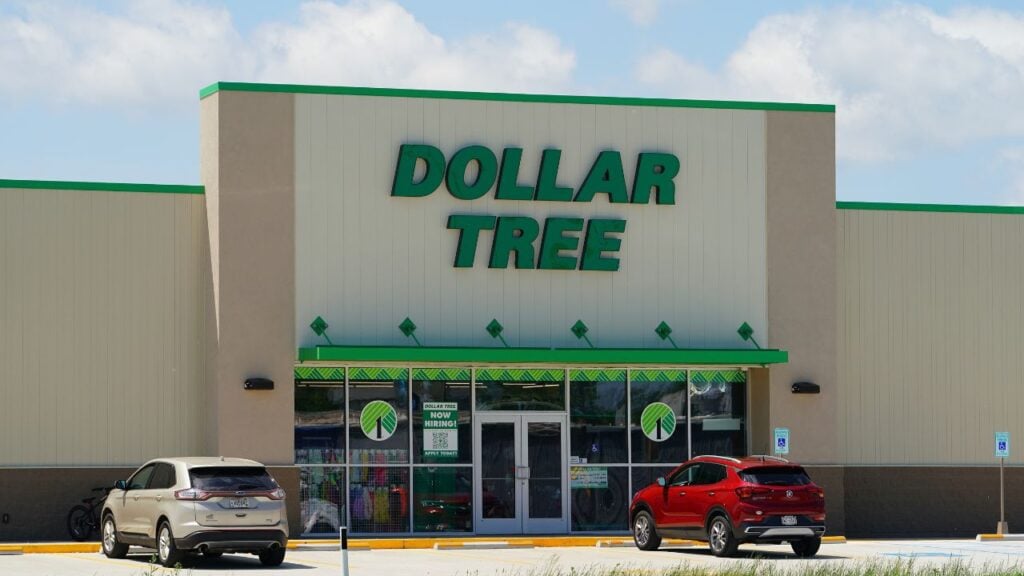
Dollar Tree spent 35 years selling almost everything for $1.
Your next trip to Dollar Tree may show you how far that price has moved.
Dollar Tree Held $1 for 35 Years, but Missourians Now See Items Up to $7
