
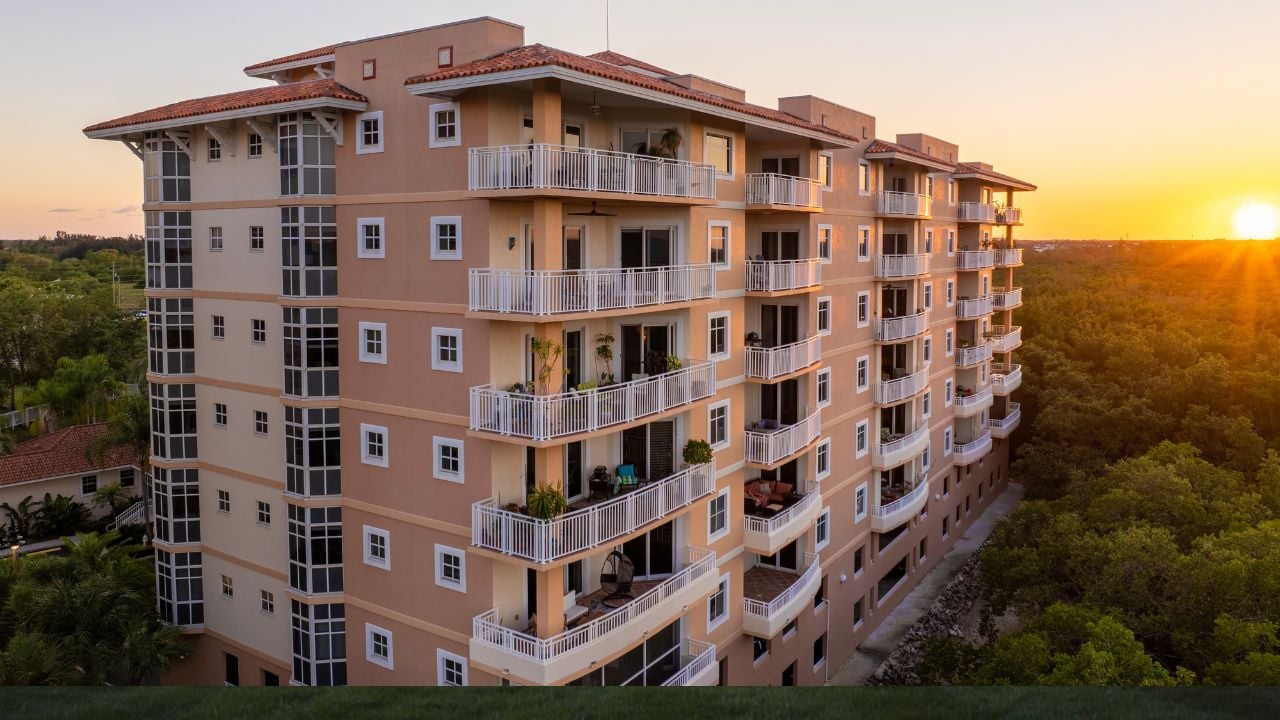
11 Things Florida Landlords Get Away With Because Renters Don’t Know the Law

Many Florida renters have never read a word of Chapter 83, and some landlords are counting on that.
That error can cost you money.
These are the things Florida landlords get away with because renters don’t know the law.
Note: This is general information, not legal advice. Rental laws and court procedures are subject to change. Consult with an attorney.
1. The Loser Pays Your Lawyer
A lawyer sounds like money you don’t have, so many Florida renters never fight at all.
Here’s what the lease never mentions:
When you take a landlord to court over the lease and win, Florida law makes the losing side cover your reasonable attorney fees.
The loser pays.
That cuts both ways, so a landlord who has clearly broken the rules has real reason to settle instead of gamble on a judge.
They just bank on you never testing it.
2. Three Days Doesn’t Mean Three Days
When the rent is late, a Florida landlord hands over a three-day notice, and the panic sets in.
Read it closer.
That three-day countdown excludes weekends and legal holidays, so a notice taped to your door on a Friday doesn’t run out that Monday.
You get more time than the number suggests.
Count the business days before you start packing.
3. Your Deposit Comes With a Deadline
In Florida, a landlord who wants to hang onto your security deposit is racing a deadline.
If they plan to keep any of it, they get 30 days after you move out to mail you a written claim by certified mail.
Miss that window?
They forfeit the right to keep a dime.
You then get 15 days to object in writing before they can chase you for it.
Many renters assume a silent landlord keeps the deposit by default, and the opposite is true.
4. Repairs Aren’t Optional
A Florida landlord’s duty to keep the place livable isn’t a favor, and it isn’t up for debate.
The building and housing codes, the roof, the windows, the plumbing, and the floors all stay the landlord’s job to maintain.
That part you can’t sign away.
On most rentals bigger than a duplex, the landlord also owes you working locks, running water, hot water, heat in the winter, and pest control for roaches, rats, and bedbugs.
A lease line that tries to hand those repairs to you doesn’t erase what the statute already requires.
5. Payback for Complaining Is Illegal
Complain about a code problem in Florida, and the worry is what your landlord does next.
The statute already covers that.
A landlord can’t retaliate by raising your rent, cutting your services, or filing to evict you because you called a building or health agency, joined a tenant organization, or asked for repairs in writing.
They can’t touch you for it.
When the rent jumps right after you complain, the timing itself becomes your evidence.
6. A Broken Lease Has a Ceiling
Break a Florida lease early, and renters assume they owe every month left on it.
Not always.
If your lease included an early-termination option and you signed that separate addendum, the fee is capped at two months’ rent, no matter how many months remained.
That’s the whole bill.
Dig out your lease and check for that addendum before you write a bigger check.
Psst! Think you know your rights as a Florida renter? Tap each card and see how many you can call right.
7. You Can Park Your Rent at the Courthouse
When a Florida landlord ignores a real repair, renters think the only move is to stop paying and hope.
There’s a cleaner path.
Give the landlord written notice of the problem, wait seven days, and if they still don’t fix it, you can hold back the rent.
If they then try to evict, you keep the right to fight by paying the disputed rent into the court registry instead of to the landlord.
The money stays safe, and your defense stays alive.
Skip that deposit, though, and a judge can throw out your defense and rule against you fast.
8. The Notice Rule Just Doubled
Renters on a Florida month-to-month deal still picture the old 15-day notice.
That number changed.
Since July 2023, ending a month-to-month tenancy takes 30 days of written notice before the end of the monthly period, from either side.
It’s thirty days now, not fifteen.
Get a shorter notice than that, and it won’t hold up.
9. Fire or Flood Ends It
A Florida rental that burns or floods through no fault of yours doesn’t chain you to the lease.
You’ve got a legal way out.
If fire or another casualty makes the place substantially unlivable, you can terminate the agreement and move out right away.
You walk.
Or you stay in the usable part and cut your rent by the fair value of what you lost, so a scorched half of the house stops costing you a full rent check.
10. Military Orders Break the Lease
Florida hands servicemember renters a way out that civilians don’t get.
Orders trump the lease.
Get permanent-change-of-station orders moving you 35 miles or more, or a long deployment, and you can end the lease with written notice and a copy of the orders.
It takes effect at least 30 days after the landlord gets your notice.
A signed notice and your paperwork do the rest.
11. The Move-Out Clause They Never Explained
Some Florida landlords bury a clause requiring up to 60 days’ notice before you move out at the end of the term.
Miss it, and they charge you.
But that penalty only sticks if the landlord put the requirement in writing and listed the fees before the notice window opened.
Without that warning, the fee doesn’t hold.
So before you pay a surprise move-out fee, check whether anyone ever put that deadline in front of you.
7 Warning Signs Florida Homeowners Are Being Targeted by Deed Fraud

A homeowner in Cape Coral opens a foreclosure notice for a loan she never took out.
Her deed had been signed away a year earlier, and the warning signs were there the whole time.
7 Warning Signs Florida Homeowners Are Being Targeted by Deed Fraud
7 Insurance Traps Squeezing Florida Retirees
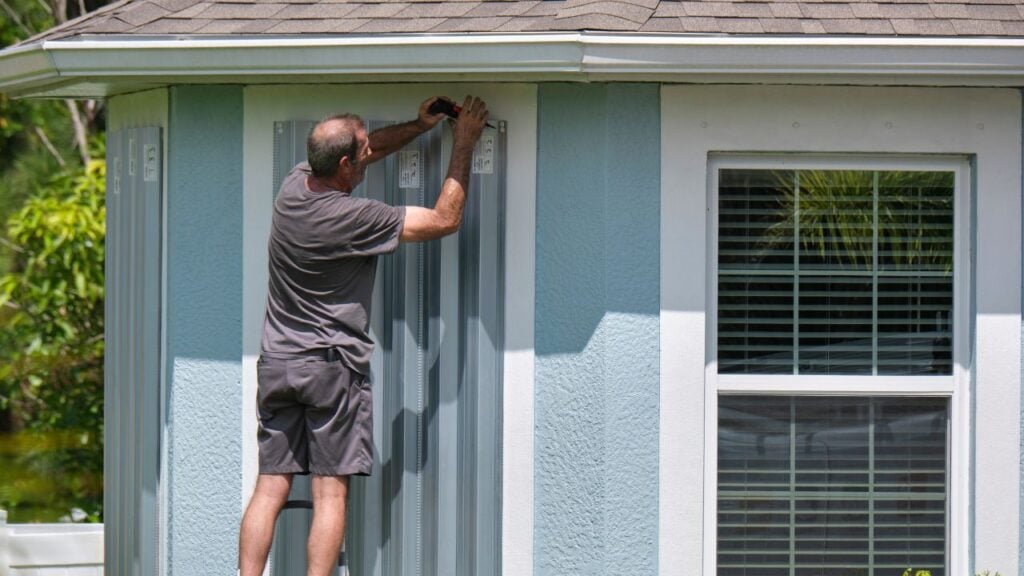
Florida retirees pay some of the highest insurance bills in the country, and many pay far more than they should.
The costliest mistakes hide in the paperwork, not the premium.
