
16 Things Floridians Refuse to Do in August No Matter What

A Florida August leaves almost no room to improvise.
Longtime residents trade a stack of loose summer habits for hard rules once the heat, the afternoon storms, and the Atlantic’s busiest stretch all land in the same few weeks.
These are the things Floridians refuse to do in August, no matter what.
1. Waste a Backyard Mango
Florida’s mango trees hit their peak at the exact moment nobody in the house can eat fast enough.
Mango season stretches from spring into fall in Florida, but June through August is when the fruit drops hardest, one backyard tree outproducing whatever a single house can use.
Neighbors trade grocery bags of them over the fence instead of letting the extras rot in the driveway.
Ask around any Florida neighborhood with a mango tree in August, and somebody’s got a full cooler in the trunk looking for a taker.
2. Speed Through a School Zone
Florida’s school zones were empty and easy to fly through all summer.
Not for long.
Most Florida counties send kids back between Aug. 10-13 this year, and the 15 or 20 mph flashers snap back on the same morning.
Drivers who got used to cruising through catch the ticket that comes with forgetting.
Floridians who’ve been there rarely make the same mistake twice.
3. Trust the Skinny Black Line
Out-of-staters glance at the hurricane cone on the news and figure the town they’re staying in is safe once the line curves away from it.
But the cone was never a safety guarantee.
The National Hurricane Center’s forecast cone only plots where the storm’s center is likely to travel, not where wind, rain, and storm surge will land.
A storm doesn’t need to touch a county to flood it.
Floridians who’ve ridden out a few seasons read the cone as one piece of the forecast, never the whole picture.
4. Practice Football at Noon
High school football teams around Marion County hit the practice field in late July, right as the area’s heat index climbs toward triple digits.
Florida sits in the highest heat-risk category tracked for high school sports, so coaches spend the first two weeks watching a wet-bulb globe thermometer as closely as the playbook.
There are no pads until it cools, so practice stays shorter and water breaks run longer.
Ask a parent in the bleachers about a noon start in August, and the answer matches what the coaches say.
It doesn’t happen.
5. Let Scallop Season Slip By
The Big Bend coast turns into a floating parking lot of boats every summer, all chasing the same thing.
Bay scallops.
The recreational season in the Suwannee River zone runs through Labor Day, so the first week of August is prime time before the season closes.
Wait too long, and the window shuts with the calendar.
Two gallons in the shell is the daily haul per person, snorkel mask required, patience optional.
Families along the Big Bend book the boat for the first week of August rather than leave the trip to the last weekend of the season.
6. Skip the Pool Fence Check
Backyard pool safety in Florida comes with actual rules, not just good intentions.
The state’s Residential Swimming Pool Safety Act requires a barrier at least four feet high with no gaps a small child could climb or squeeze through, plus doors that self-close and self-latch.
The same law states that drowning is the leading cause of death for young Florida children, so a gate that finally shuts all the way isn’t a minor inconvenience.
One busted latch matters.
August pool parties multiply the risk with every round of Marco Polo, so this is exactly when Floridians double-check the gate before the guests arrive.
7. Flash a Light at Turtles
Florida’s nesting beaches run their own set of house rules from May through October, and August lands right in the thick of hatching season.
Porch lights, flashlights, and phone screens can all send hatchlings the wrong direction, since a beach light can pull a baby turtle toward a parking lot instead of the surf.
Many coastal counties enforce nighttime lighting restrictions on beachfront homes and businesses during nesting season.
There’s no exception for a bonfire.
A red flashlight is the one workaround wildlife officials recommend, since turtles can’t see that end of the light spectrum.
Beachfront residents keep the porch light off and the phone screen down all season instead of risking a wrong turn for a nest of hatchlings.
8. Trust a Cracked Window
A parked car in Florida can turn into an oven faster than most drivers plan for.
On a typical Florida summer day, a car’s interior can climb past 125 degrees in about 20 minutes, cracked windows included.
The same count puts more than 100 Florida kids under 15 who’ve died from vehicle heatstroke since the late 1990s, a number a cracked window never prevented.
A five-minute errand turns risky fast once the sun’s involved, so Floridians bring the pet and the kid inside instead of leaving either one behind.
Psst! Think you know Florida? Take our quiz and see how many you get right.
Quiz
Florida Facts Showdown
Nine questions on Florida geography and history. See if you can ace it.
Which Florida county is the only one in the state split between two time zones?
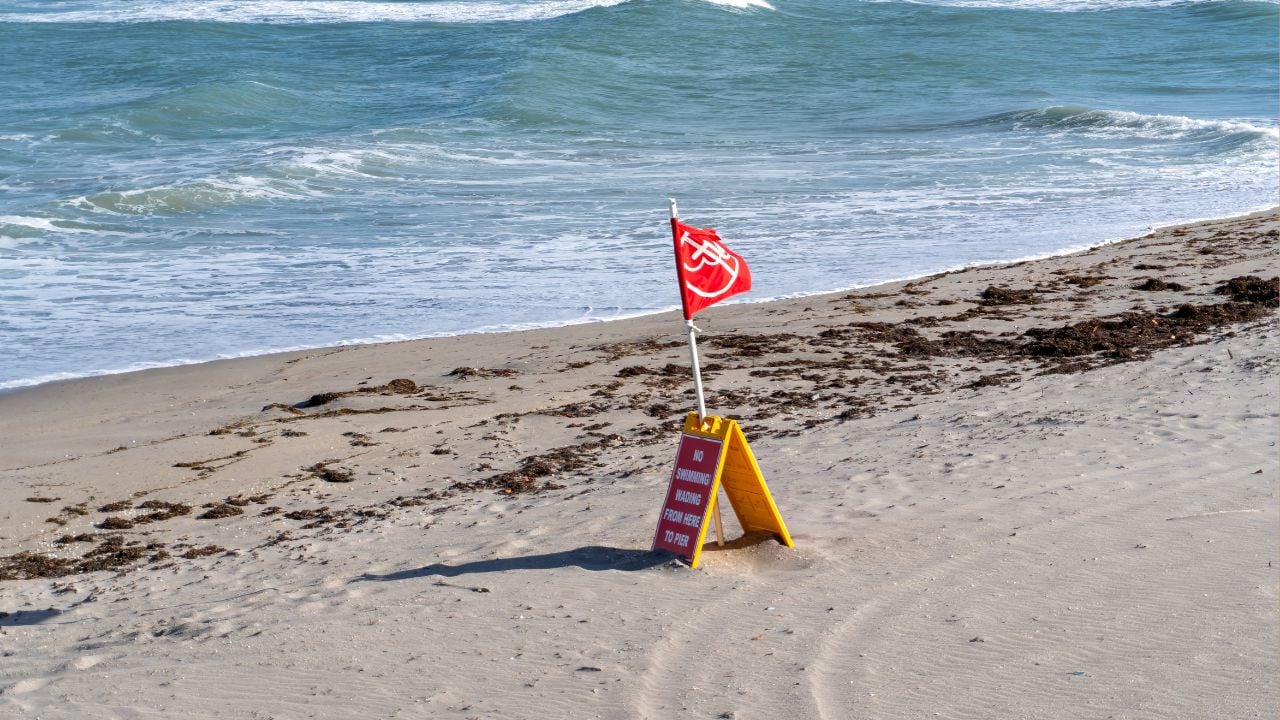
9. Swim Past a Red Flag
Beaches from the Panhandle to the Keys run a flag system that means more than a pretty color scheme.
A single red flag warns of high surf or strong currents.
Two side by side mean the water is closed to swimming entirely, conditions too rough for a strong swimmer to fight.
Purple means something with teeth or a sting is close by.
Rip currents alone give Florida more rip current deaths than any other state in the country most years.
Beach regulars check the flag pole before the cooler comes out of the trunk.
Two red flags end the trip before it starts.
They go to lunch.
10. Miss the Perseids Blanket
Rural stretches like the Big Bend put on one of the best night sky shows of the year in the second week of August.
The Perseid meteor shower peaks Aug. 12-13 this year, and a new moon that same week means a properly dark sky for it.
Up to 100 meteors an hour streak overhead under clear conditions, best between 2 and 6 a.m.
Worth the alarm clock.
Floridians who live away from the coastal glow drag a blanket into the backyard and set an alarm for the middle of the night instead of sleeping through it.
11. Let the Tax Holiday Pass
Florida's back-to-school break from sales tax isn't a single Saturday anymore.
This year's holiday runs a full month, covering clothes under $100, school supplies under $50, and computers up to $1,500.
Shoppers who still treat it like a weekend sale rush the first few days and miss the calmer, better-stocked shelves in week three.
Floridians who've caught on shop the middle of the window instead.
12. Fix a Power Bill With the Thermostat
Floridians see exactly how their August went the moment the power bill shows up.
Air conditioning alone can make up half of a Florida household's summer power use, and utility bills often run 30-50% higher than spring or fall.
Turning the thermostat down two more degrees doesn't fix a leaky attic or an AC unit overdue for a filter change.
The math doesn't work, so Floridians who've been through a few Augusts check the filter and the weatherstripping before they touch the dial.
13. Pass up a 72-Degree Spring
Dozens of natural springs across Florida stay cold no matter how brutal August gets.
The Floridan Aquifer keeps spots like Rainbow Springs and Ichetucknee Springs at a steady 72 degrees year-round, cold enough to make a lake feel lukewarm by comparison.
That's colder than most people expect from a swimming hole in Florida in August.
A spring holds the same temperature whether it's January or the hottest week of summer, and Floridians who know that skip the crowded beach for an emptier spring-fed river instead.
14. Skip the Noon Sunscreen Coat
Florida's sun doesn't ease up just because the calendar says summer's almost over.
Florida's heat index has topped 110 degrees in spots in past Augusts, and the UV exposure that comes with it doesn't fade once the first coat of sunscreen wears off.
Two hours, tops.
That's about how long a sunscreen application holds up under a Florida sun before it needs a second coat, sooner with sweat or a trip in the water.
Longtime beachgoers put on a second coat at noon instead of trusting the coat from the parking lot.
15. Ignore a Fresh Tropical Wave
Hurricane activity in Florida ramps up fast once August arrives.
About 78% of the season's named storms, and a higher share of the hurricanes that reach the U.S. coast, form between August and October.
That's when it gets real.
Floridians who shrugged off a June disturbance start checking the tropics daily once August turns the activity up.
A stocked pantry by the second week of the month isn't paranoia.
16. Let Love Bugs Bake on Paint
Florida's love bugs return for a second flight just as August winds down.
The bigger swarm usually hits in late August into September, splattering windshields and grilles across the state for weeks at a time.
A love bug is a small march fly, harmless to people and pets, just famously bad at clearing traffic in time.
Floridians who've learned the hard way wash the car within a day or two, since the residue gets harder to scrub off the longer it bakes in the sun and can damage the paint.
7 Florida Lakes Locals Swear By (and 3 They'd Never Swim In)
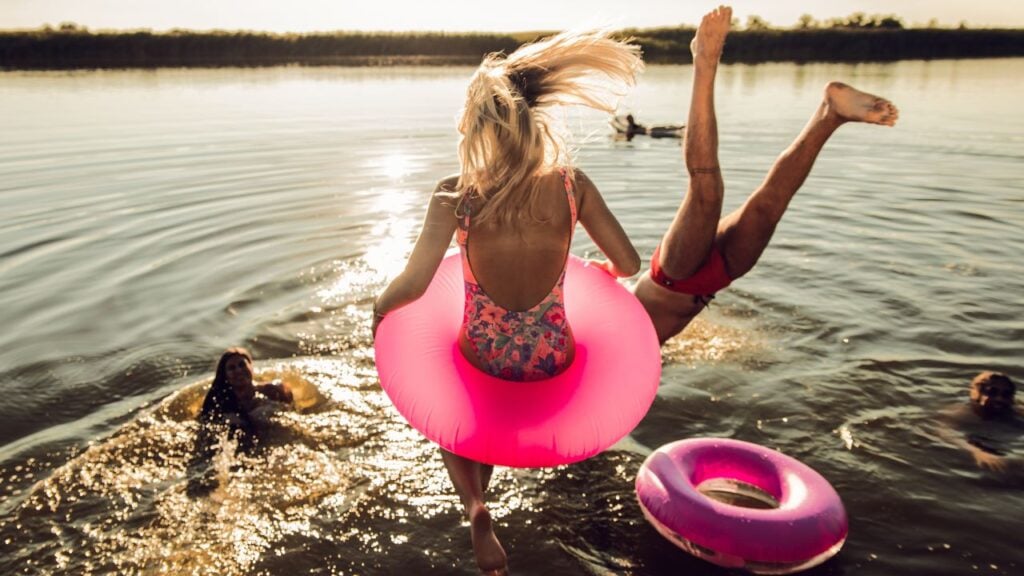
By noon on a Saturday, boats raft together on the sandbar off Lake Weir, coolers open and kids standing chest-deep in clear water over a hard sandy bottom.
Marion County families treat that lake like a backyard, and a handful of other Florida lakes earn that same devotion, while a few earn a very different reputation instead.
7 Florida Lakes Locals Swear By (and 3 They'd Never Swim In)
10 Old Florida Traditions Newcomers Have Never, Ever Heard Of
On the sixth of January, a teenage boy waits in a Tarpon Springs bayou for a priest to throw a white cross into the water, and a dozen other boys dive in right behind him.
Traditions like that one run deep in Florida, long before snowbirds and theme parks ever showed up on the map.
10 Old Florida Traditions Newcomers Have Never, Ever Heard Of
