

How Much Does In-Home Care Cost in Georgia in 2026?

In-home care in Georgia costs about $32 an hour for non-medical help, according to the 2025 CareScout Cost of Care Survey, the annual study long known under the Genworth name.
That works out to roughly $6,100 a month for a typical 44-hour week, or about $73,200 a year.
Georgia runs a few dollars below the $35 national median.
But that hourly number is only half the story: Whether Medicare, Medicaid, or your own savings covers any of it depends on rules most families never check until they need them.
Note: This is general information, not financial or medical advice. Costs, coverage, and eligibility rules are subject to change, so confirm the current details with a professional or your county’s aging services office.
What In-Home Care Costs in Georgia
Georgia’s $32-an-hour median covers a non-medical caregiver who helps with bathing, dressing, meals, and errands.
Daily, that runs about $201, and monthly it lands around $6,101 for someone working roughly 44 hours a week.
Stretch that over a full year, and the total comes to about $73,200.
Location matters too.
Atlanta and its suburbs tend to price higher than smaller towns and rural counties, where fewer agencies compete for caregivers.
Neighboring Florida charges the same $32 an hour.
South Carolina and Tennessee both run a dollar cheaper, at $31.
Skilled Home Health Costs More
Skilled home health means something different from non-medical care, and Georgia prices it far higher.
A private duty nurse who handles wound care, injections, or physical therapy in the home runs about $98 an hour in Georgia, according to the same survey.
That’s triple the non-medical rate.
Georgia’s per-visit rate for a skilled nurse averages $135, which many home health agencies bill instead of an hourly rate for short, task-based visits.
Insurance usually picks up more of this tab than it does for non-medical care.
Medicare and private health plans often cover skilled visits a doctor orders.
Non-medical help, the kind most Georgia families need day to day, rarely qualifies.
Does Medicare Pay for It?
Medicare covers home health, but not the custodial help most Georgia families are searching for.
To qualify, a doctor has to certify that you need intermittent skilled nursing or therapy, and a Medicare-certified agency has to provide it.
You also have to be homebound, meaning leaving the house takes real effort.
Meet those conditions, and Medicare pays the full cost with no deductible or copay.
Miss one, and coverage stops.
Medicare won’t pay for a caregiver who just helps with bathing, meals, or supervision, no matter how badly a Georgia family needs one.
The family covers that gap out of pocket instead.
Does Georgia Medicaid Help?
Georgia Medicaid can help pay for home care, but only through certain waiver programs, not the regular Medicaid card.
Georgia’s waiver programs, including the Community Care Services Program (CCSP) and the Service Options Using Resources in a Community Environment (SOURCE) program, let Georgians who’d otherwise qualify for a nursing home stay in their own home instead.
Both cover personal care, home-delivered meals, adult day care, and respite for family caregivers.
The catch?
You have to meet a nursing-facility level of need and fairly strict income and asset limits.
Slots are limited statewide, so a waiting list forms once they fill.
Families apply through the state’s Aging and Disability Resource Connection offices, not through a hospital or a home care agency.
Psst! How much do you know about the history behind America’s elder care system? Take our quiz and see if you can ace it.
Quiz
Elder Care History IQ
Answer these questions on the history behind America’s elder care system. We bet you can’t get them all right. Prove us wrong?
A former U.S. president stood beside Lyndon Johnson as the guest of honor when Medicare and Medicaid became law in 1965. Who was he?
Agency Care or Hiring Privately
Georgia families choosing home care usually pick between an agency and a private hire, and the price gap is real.
An agency costs more per hour, but it also handles background checks, backup coverage, payroll, and training.
Hire privately, and you can often talk the rate down.
Lower bill.
You also take on the recruiting, the taxes, and the scramble when your caregiver calls in sick.
Georgia's Department of Community Health licenses private home care providers, which gives families a way to check an agency's standing before signing a contract.
A private hire carries no such license to check.
What Pushes Your Total Higher
The $32-an-hour median is a starting point, not a quote.
Evenings, weekends, and overnight shifts usually cost more than a weekday afternoon.
Hands-on help with bathing, transfers, or toileting raises the rate too, and so does dementia care that calls for constant supervision.
Many agencies also set a minimum shift, often two to four hours, so a quick daily check-in can cost more per hour than a full workday would.
It adds up fast.
A family stretching a fixed Social Security check often finds the real budget crunch shows up around 30 to 40 hours a week, right where light help turns into a second full-time job.
Small savings elsewhere in the budget help, but they rarely close a gap that size on their own.
Ways Families Cover the Gap
Many Georgia families end up piecing together more than one source to cover home care.
Long-term care insurance can help when a policy is already in place, though the amount and waiting period depend entirely on the contract.
Veterans and surviving spouses may qualify for the Department of Veterans Affairs (VA) Aid and Attendance benefit, which pays toward in-home help for those who need it.
Adult day programs run cheaper than one-on-one home care.
Georgia's median for adult day care is about $90 a day, per the same survey, useful for families who need daytime coverage rather than round-the-clock help.
Worth a look.
Many families also split hours between relatives and a paid caregiver, covering only the hardest part of the day and managing the rest themselves.
FAQ
Quick answers to what Georgia families search most about paying for in-home care.
How much does in-home care cost in Georgia in 2026?
About $32 an hour for non-medical care, or roughly $6,100 a month for a typical 44-hour week. Georgia runs a few dollars below the $35 national median.
Does Medicare pay for in-home care in Georgia?
Only for skilled, doctor-ordered home health care for someone who is homebound. Medicare doesn't pay for non-medical help with bathing, meals, or supervision.
Does Georgia Medicaid pay for home care?
It can, through the Community Care Services Program or the SOURCE waiver, for Georgians who qualify for a nursing-facility level of care and meet the income and asset limits. Both programs have limited slots.
Is hiring a caregiver privately cheaper than using an agency in Georgia?
Often, yes, on an hourly basis. But you take on the screening, payroll, taxes, and backup coverage an agency would otherwise handle.
How does in-home care compare to assisted living in Georgia?
Georgia's assisted living communities run about $5,300 a month on average, per the same survey. Home care can cost less at part-time hours, but it often catches up or passes that number once a family needs daily, hands-on, or overnight help.
Georgia families paying privately can sometimes deduct part of the cost at tax time.
The Internal Revenue Service (IRS) lets you count qualifying long-term care and medically necessary home care as a deductible medical expense once unreimbursed medical costs pass 7.5% of your adjusted gross income, so it's worth asking a tax preparer whether your family's bills clear that bar.
9 Things a Georgia Landlord Can Legally Do That Tenants Never See Coming
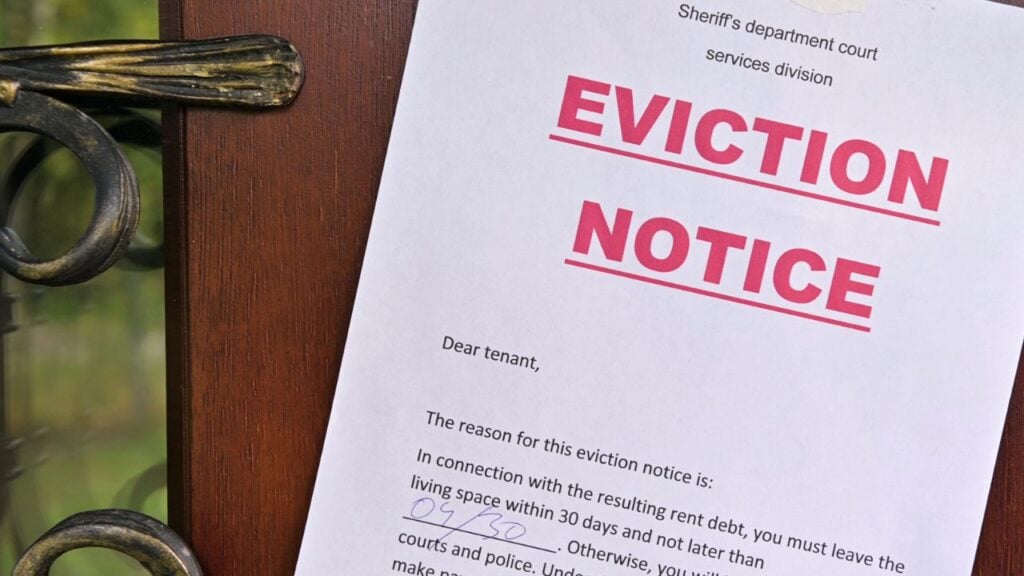
A Gwinnett County renter opens her lease renewal and reads the new number twice.
Georgia law lets landlords do more than most tenants ever realize.
9 Things a Georgia Landlord Can Legally Do That Tenants Never See Coming
10 Ways Georgia Families Beat the Summer Heat Before Anyone Had Air Conditioning

Air conditioning didn't reach most Georgia homes until the 1960s.
Families from Macon to the Wiregrass had their own playbook for beating a long, hot summer.
10 Ways Georgia Families Beat the Summer Heat Before Anyone Had Air Conditioning
