
11 Culture Shocks People Experience When Moving to South Carolina

A neighbor mentions, almost offhand, that the alligator in the retention pond behind the cul-de-sac has been there since spring.
Nobody warns a new homeowner about that before closing, any more than they warn about the lawyer state law requires at the table, whether the buyer wants a lawyer there or not.
These are the culture shocks people experience when moving to South Carolina.
Note: Rules, fees, and rates are subject to change, so confirm the current details with the appropriate agency, attorney, or insurer.
1. Your 45-Day Paperwork Clock
Moving to South Carolina starts a countdown many newcomers never see coming.
The state gives new residents just 45 days, six and a half weeks door to door, to trade an out-of-state driver’s license for a South Carolina driver’s license and register any vehicle with the county.
Skip it, and a routine traffic stop turns into a ticket stacked on top of moving expenses.
The countdown starts the day residency begins, not the day the moving truck pulls away.
2. Termite Report Before Closing
Home sales in South Carolina come with an inspection many other states skip: The CL-100, the state’s standard wood infestation report.
State regulations require a licensed pest control company to check for termites and other wood-destroying insects whenever a lender is financing the sale, and the report has to be dated within 30 days of closing.
The standard sales contract makes the seller either fix any problems the inspection finds or hand over proof the work already happened.
A humid climate makes termites a fact of life in South Carolina, not a red flag, but newcomers rarely expect a bug inspection to hold up a house closing.
No clean report, no closing.
3. Lawyer at Your Closing
Buying a house almost anywhere else rarely means hiring an attorney for the closing.
South Carolina is different.
A 1987 state Supreme Court ruling made a licensed attorney’s presence mandatory at every residential closing, not just a nice extra.
The attorney has to physically sit at the table, check the title, and sign off before the deal can close.
Newcomers from title-company states ask why a lawyer needs to be there for what used to be a formality back home.
It was never a formality under South Carolina law.
4. Filing for Your Tax Rate
A new South Carolina homeowner’s property tax bill hides a choice the county never makes on its own.
Nobody applies it automatically.
Owner-occupied homes qualify for a special 4% rate instead of the default 6%, cutting the tax bill by more than half in many cases, but only for homeowners who file for it themselves.
Homeowners have to submit a legal residence application with the county before the tax bill’s first penalty date, or they’re stuck paying the higher rate for the year.
Mortgage companies don’t file it either, so the paperwork sits on the new owner alone.
5. Deductible in Percent
Homeowners insurance along the South Carolina coast works differently the first time a named storm hits.
Most coastal policies carry a separate named-storm deductible that runs 1% to 5% of the home’s insured value instead of a flat dollar amount like an ordinary claim, and that percentage isn’t fixed since it moves every time the coverage amount changes at renewal.
On a $400,000 house, a 2% deductible means paying the first $8,000 out of pocket before coverage kicks in.
Hurricane Hugo made landfall near Charleston in 1989 as a Category 4 storm, and coastal insurers still price risk against it. When the private market won’t cover a home’s wind exposure, the South Carolina Wind and Hail Underwriting Association, the state’s insurer of last resort since 1971, steps in instead.
New homeowners who budgeted for a flat $1,000 deductible find out the real number only after the first big claim.
6. Dry Sundays at the Package Store
A newcomer to South Carolina planning a Sunday brunch run to the liquor store finds the doors locked.
State law keeps every liquor store closed on Sundays, though restaurants and bars can still pour a mimosa.
Beer and wine at the grocery store are a separate question.
Counties hold their own votes on Sunday sales, and several of them, including Charleston and Richland counties, have said yes.
Closed statewide, no exceptions.
Lawmakers have debated changing the liquor-store ban for years, and as of early 2026, it’s still standing.
Psst! How much do you know about South Carolina? Take our quiz and see if you can ace it.
Quiz
South Carolina Newcomer IQ
Answer nine questions on South Carolina firsts, records, and landmarks. We bet you can’t get them all right. Prove us wrong?
The Census Bureau just crowned one state the fastest-growing in the entire country. Which one?
7. Your Windshield Turns Yellow
Every spring, cars across South Carolina disappear under a coat of yellow dust that wipes off with a fingertip.
That's pine pollen, and it's what many newcomers blame for their itchy eyes.
Wrong tree.
Pine pollen grains are too big and smooth to travel deep into the nose, while the finer pollen from oaks and other hardwoods pollinating at the same time does the real damage.
Greenville landed at number 10 nationally on the Asthma and Allergy Foundation of America's 2026 list of the toughest cities for pollen allergies.
Newcomers from milder allergy states learn to stock up on antihistamines before March, not after.
8. Golf Cart With Its Own Plate
Newcomers to coastal South Carolina towns notice the traffic looks different fast.
Golf carts roll down public streets next to pickup trucks and minivans, and it isn't just a golf-course perk.
State law lets anyone 16 or older with a valid license drive a registered, insured golf cart on public roads posted 35 mph or under.
State law also caps carts at four miles from home, not a mile more.
Kids under 12 need a seat belt, too.
In towns like Myrtle Beach, Hilton Head, and Sun City, a golf cart doubles as the second car for a grocery run or a trip to the beach.
9. Boiled Peanuts by the Roadside
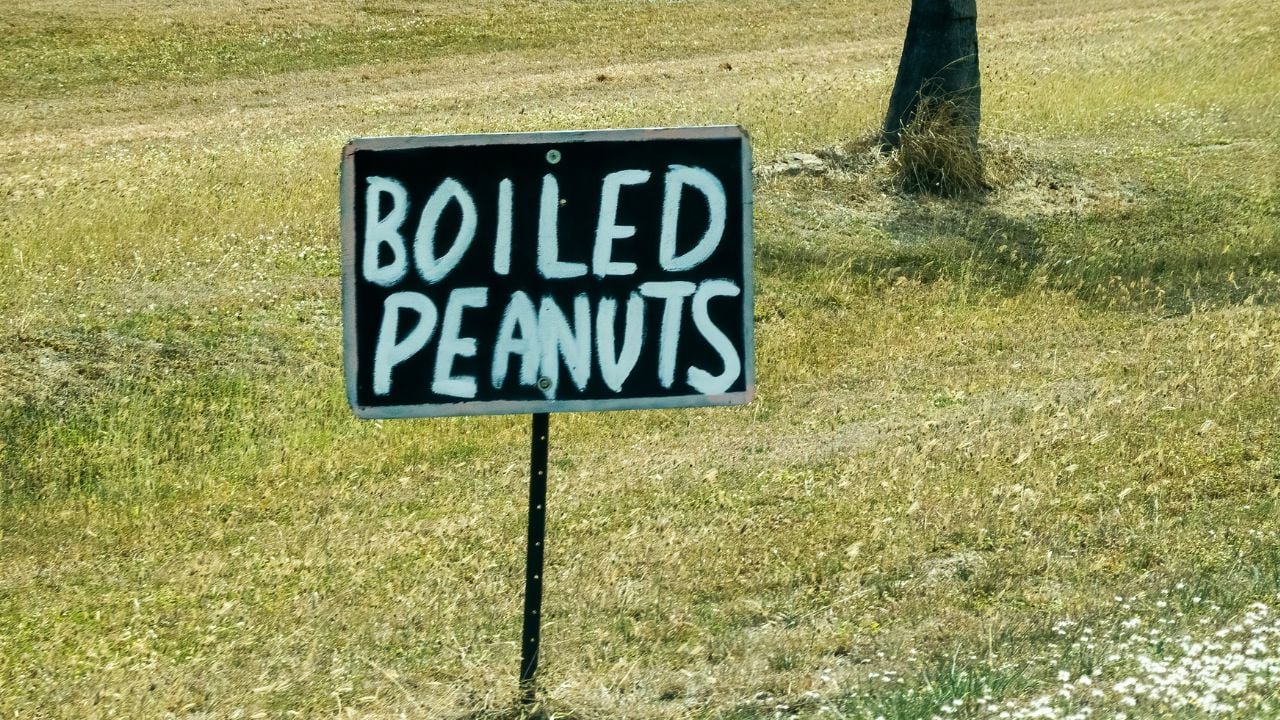
A hand-lettered sign for boiled peanuts sits outside gas stations and produce stands across South Carolina, and a newcomer who's only ever eaten peanuts roasted or from a jar pulls over out of curiosity.
The peanuts inside are raw, unshelled, and cooked for hours in salted water until the inside turns tender instead of crunchy, closer to a bean than a snack out of a can.
That texture surprises people the first time, but South Carolina takes its boiled peanuts seriously enough to put them in the law books: The boiled peanut has been the state's official snack food since 2006, spelled out in its own section of the state code.
Locals scoop a bag from a roadside cooler the way someone else might grab a bag of chips, without a second thought.
Newcomers usually need one taste to understand the fuss, and a second bag to admit they're hooked.
10. Gators in the Water Hazard
A retention pond behind a new subdivision looks harmless until something surfaces in it.
The South Carolina Department of Natural Resources says community ponds and golf courses across the state routinely hold alligators, most of them small and no threat if left alone.
Not just swamps, either.
The agency's own advice: Don't bother calling about a small alligator basking near its normal habitat, but never feed an alligator and keep a healthy distance from the water's edge.
Golfers who grew up chasing balls into the rough learn a new rule fast.
Check the water first.
11. Summer Break Ends in July
Not September.
Parents moving to South Carolina from a state that starts school after Labor Day get a scheduling shock of their own.
Districts across the state open classrooms anywhere from late July to mid-August, with most first days landing in the first two weeks of August.
Some students are back at their desks before the neighborhood pool even hits its busiest weekend of the year.
A move planned around a September start date needs redoing fast.
Summer camps, family trips, and the yard sale of the old house all have to shift earlier on the calendar.
The moving truck that seemed early in July turns out to be right on time.
9 South Carolina Backyard Pests That Ambush Newcomers Every Summer
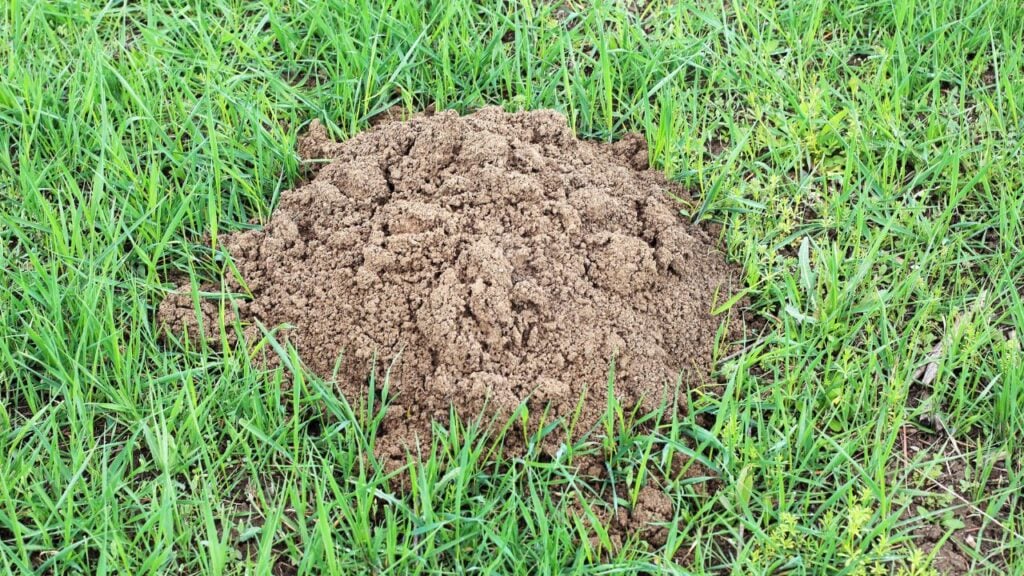
The paperwork isn't the only thing that catches a new South Carolina homeowner off guard.
The yard has its own welcome committee, and most of it stings.
9 South Carolina Backyard Pests That Ambush Newcomers Every Summer
11 Small-Town South Carolina Diners Locals Drive Out of Their Way For
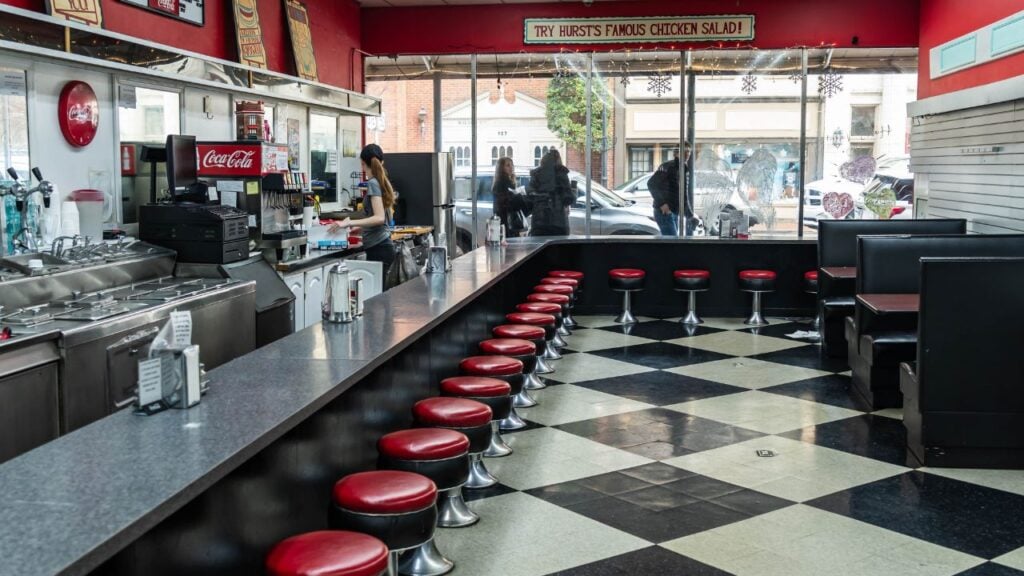
Once the paperwork clears and the boxes are unpacked, the real work of settling into South Carolina starts at the table.
Ask a small-town local where to eat, and a chain restaurant never comes up.
11 Small-Town South Carolina Diners Locals Drive Out of Their Way For
