
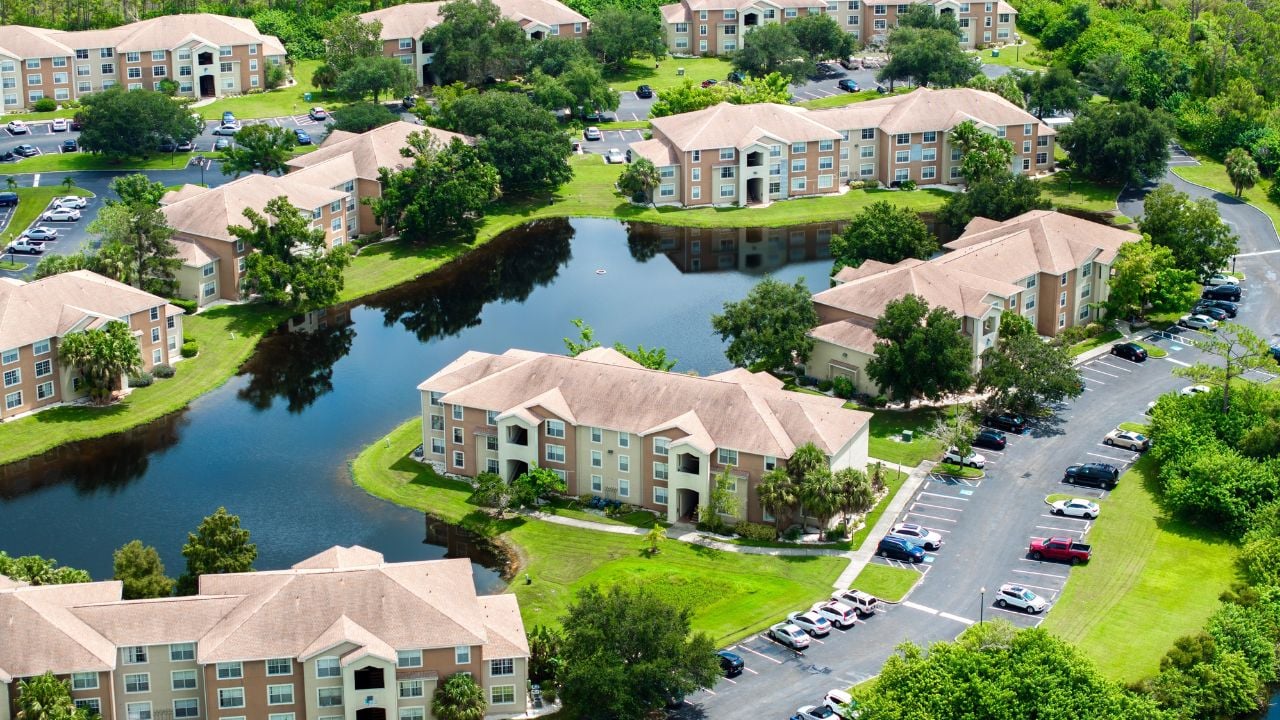
7 Florida HOA Fees That Have Doubled for Many Since 2020

One Seminole County homeowners association paid $91,000 for its building insurance in 2023.
The next year, the bill came to $233,000.
Florida HOA fees have pulled that kind of jump on many homeowners since 2020, and insurance is only one piece of the bill.
These are the Florida HOA fees that have doubled for many homeowners since then.
Note: This is general information, not financial or legal advice. HOA and condo fees, insurance rates, and reserve requirements are subject to change.
1. Reserve-Driven Dues Hikes
Regency Gardens Condominiums, a Florida condo association in Orlando, told its owners in 2024 that monthly HOA dues would nearly triple.
That wasn’t the worst part.
The association also billed a one-time $22,000 assessment per resident to cover a shortfall in its required reserve fund.
Some owners chose to sell rather than pay it.
Regency Gardens isn’t an outlier.
Florida lawmakers rewrote condo reserve rules after the 2021 collapse of Champlain Towers South in Surfside, which killed 98 people, and ordered milestone inspections plus fully funded reserves by the end of 2024.
Boards that once shaved a roof repair or a fire panel out of the budget to keep dues flat no longer have that option.
2. Windstorm Insurance Premiums
Wekiva Country Club Villas Homeowners Association (HOA) in Seminole County, a Florida community, paid $91,000 for its building insurance in 2023.
A year later, that premium hit $233,000, a 156% jump in a single renewal.
Members felt it immediately.
Their board had no choice but to pass the bulk of that increase straight into monthly dues, since insurance is a line item Florida HOAs can’t simply skip.
Wekiva isn’t an isolated case, either.
Statewide data on commercial condo insurance shows the same kind of hit landing on Florida boards building by building, not just in one unlucky renewal.
Wind and storm risk drives the pricing, and Florida’s coastline keeps that risk high year-round.
One bad renewal.
That’s all it takes to wipe out years of careful budgeting.
3. Mandatory Reserve Contributions
Caribbean Breeze Condominium, a Florida condo in Sunny Isles Beach, already charges owner Arkadiy Kats $897 a month in regular HOA dues.
He’s also paying a $340 monthly special assessment on top of that.
Since January, the association has added a new $731 monthly reserve contribution, required under Florida’s post-Surfside reserve law.
Add the assessment and the new reserve payment to his $897 in dues, and the total comes to $1,968 a month, more than double his dues alone.
He’s far from alone.
Condo associations across Florida are folding the same reserve math into their own statements.
What Doubles a Florida HOA Bill
A Florida HOA or condo bill usually combines three charges, and each can double for its own reason.
Regular dues cover the everyday budget, landscaping, utilities, and management.
A board can raise those dues every year without a resident vote.
A special assessment is a one-time bill, like Regency Gardens’ $22,000-per-resident reserve shortfall.
A reserve contribution is different. Florida’s 2022 law forces associations three stories or taller to fund reserves at 100%, turning optional savings into a mandatory fee.
Insurance isn’t a fourth category. It usually rides inside regular dues, the way Wekiva’s board handled its premium spike, though a big enough shortfall can also force a special assessment.
4. Commercial Master Policies
Florida condo associations statewide are watching their master insurance policies do the same thing Wekiva’s did, just on a bigger scale.
The average commercial condo association policy in Florida rose 103%, from $72,570 to $147,381, in just two years.
Not one unlucky building.
That’s a statewide average.
Reinsurance costs, the price insurers themselves pay to spread hurricane risk, rose sharply after back-to-back storm seasons, and Florida condo carriers passed much of that straight through.
Fewer carriers were willing to write the policy at all.
Boards that shopped for a cheaper carrier in 2024 learned that the hard way.
5. Condo Association Dues
Lakewood Park Condos in Altamonte Springs raised monthly HOA dues by 100% in a single stretch, according to Florida Daily.
Some units there now pay $713 a month.
Others pay over $1,000.
Residents there blame two forces for the jump, an insurance renewal that came in far higher than the last one, and a reserve line the board could no longer underfund.
Neither cause is going away soon.
6. Single-Family HOA Dues
Baldwin Park’s homeowners association in Orlando isn’t a condo tower at all, just rows of single-family homes and townhomes, and its dues more than doubled anyway.
Fees there rose by roughly $400 a month to an estimated $770, according to Orlando TV station WFTV.
The insurance piece inside that bill did even worse.
It went from $109 to $400 a month, nearly a fourfold jump on its own.
One resident there said she still pays separately for her own interior coverage on top of what the HOA now charges for the building’s exterior.
Two bills, both rising.
7. Flood Coverage on Common Buildings
Waterfront Florida HOAs and condo associations often carry flood coverage on clubhouses, docks, and lobby buildings, and that coverage is repricing under a new federal formula called Risk Rating 2.0.
In Pinellas County, the average flood premium is projected to more than double, from $1,537 to $3,257.
Hillsborough County isn’t far behind, rising from $1,132 to $2,549.
Certain waterfront zip codes fare far worse than the county average.
Same math, higher stakes.
Associations that insure their common buildings through the same federal program pass that math on to every owner’s assessment, whether the water ever reaches the building or not.
Big Bills Beyond Monthly Dues
Every fee above still lands as a line on a monthly Florida HOA or condo statement, spread across twelve payments a year.
Some buildings can’t spread a bill that thin.
Florida HOA and condo boards facing a big enough repair skip the monthly math and bill owners once, in a lump sum too large for a monthly line to cover.
One bill, all at once.
1060 Brickell in Miami approved a $21 million special assessment across its two towers, with some individual owners billed more than $40,000.
A structural reserve study drove that number, flagging facade work, a roof, and a pool deck that all needed attention at once.
“I feel like I’m being milked,” one owner there told a reporter.
East Point Tower in Fort Lauderdale approved its own $3 million assessment, working out to roughly $11,000 per household by 2026, according to the same reporting that covered Sunny Isles Beach’s reserve math.
How Miami-Dade and Broward Compare
Miami-Dade and Broward homeowners aren’t all seeing the doubling these standout communities describe, and that’s worth saying plainly.
The typical Miami-Dade condo fee moved from $567 a month in 2019 to $900 by 2024, a 59% rise.
Broward’s typical fee moved from $392 to $613 over the same stretch, up 56%.
Both are painful.
Neither one is a doubling.
Miami-Dade, Broward, and Palm Beach together are home to nearly 13,000 condo associations.
The buildings landing in the news are usually the buildings with the oldest structures, the biggest deferred repair lists, or the worst luck on a recent insurance renewal.
Psst! How much do you know about Florida HOA and condo history? Take our quiz and see if you can ace it.
Quiz
Florida HOA History IQ
Answer these questions on Florida HOA and condo history. We bet you can’t get them all right. Prove us wrong?
About what share of Florida households belong to a homeowners or condo association today?
What Boards Are Doing About It
Florida HOA and condo boards facing these numbers aren't just raising dues and hoping for the best.
Some are pooling their insurance shopping with neighboring associations to negotiate as a larger group.
Others are raising wind mitigation credits by replacing aging roofs before insurers force the issue, trading a smaller bill now for a smaller premium later.
A handful of associations are exploring special assessment loans, spreading a lump-sum repair bill into a payment plan instead of one shock.
Not cheaper.
Just spread out.
None of those moves make the underlying repair or the underlying storm risk any cheaper.
They just change how the bill lands.
A board that gets ahead of a roof or a facade repair before an insurer demands it usually pays less than a board that waits for the notice.
Waiting is what turned a $91,000 premium into a $233,000 one.
9 Money Mistakes Florida Homeowners Make Every Hurricane Season
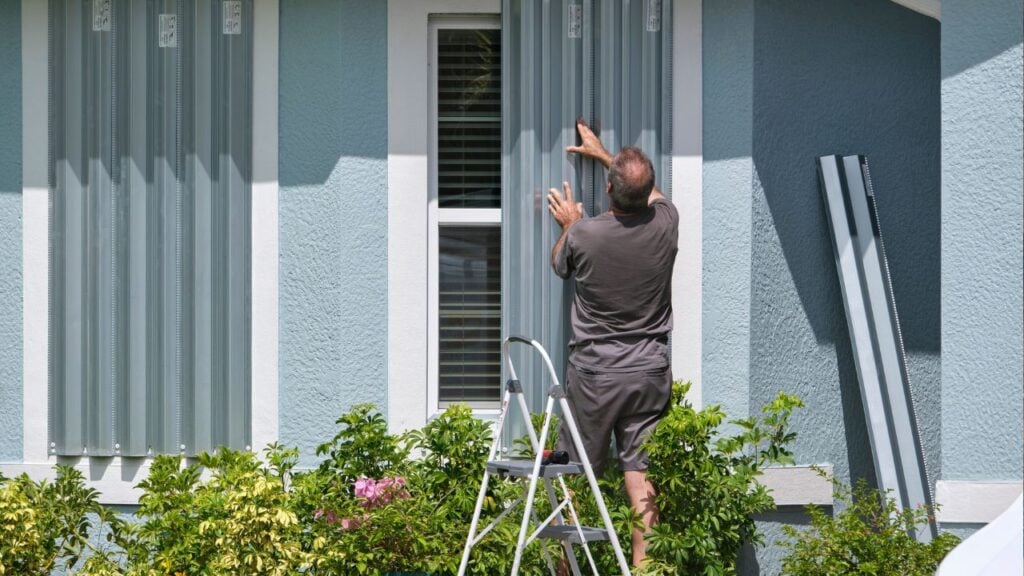
A homeowner in Punta Gorda calls her insurance company eleven months after landfall, right as her contractor finally has an opening.
She's four weeks from losing the claim entirely.
9 Money Mistakes Florida Homeowners Make Every Hurricane Season
7 Reasons People Are Leaving Florida in 2026
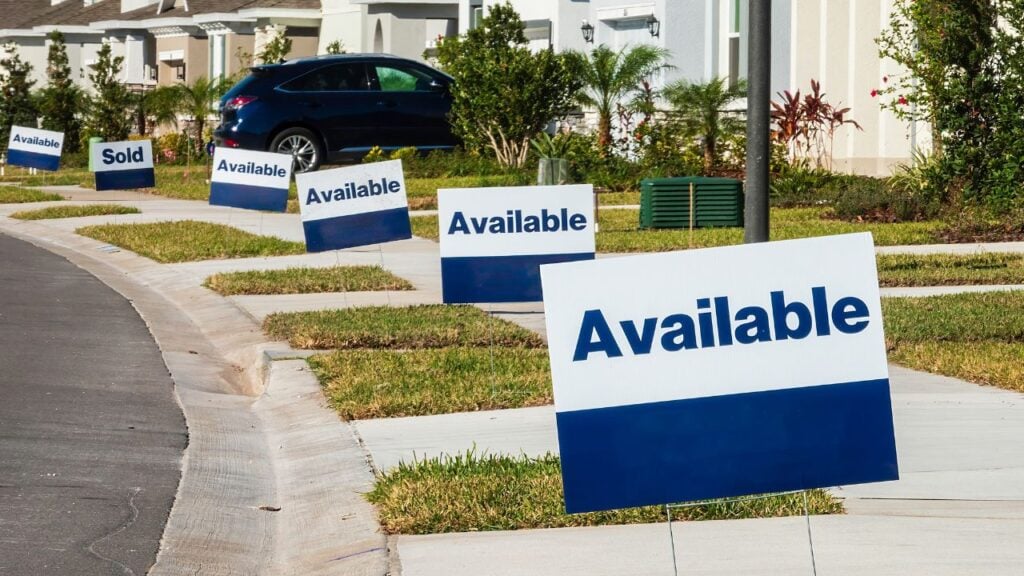
Florida gained just 22,517 residents from other states last year.
Two years earlier, that number was 183,646, and property taxes and condo bills are a big part of why the gap closed so fast.
