
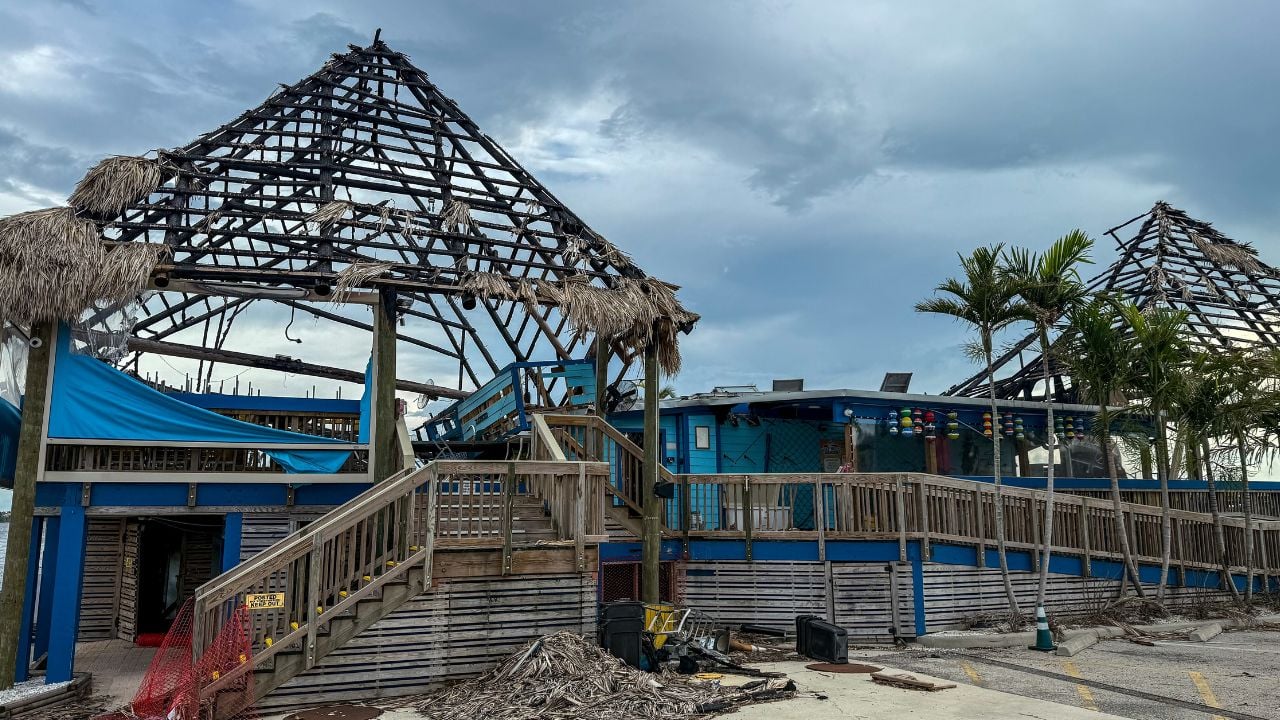
7 Storm Season Scams That Target Florida Homeowners Every Year

The federal hotline for reporting disaster fraud shut down for good in March 2026, shortly before Florida headed into another hurricane season.
That doesn’t mean disaster scams have stopped.
These are the storm season scams that keep coming back to target Florida homeowners, and how to spot them before they cost you.
Note: This is general information, not legal or financial advice. Contractor licensing, insurance rules, and consumer-protection laws are subject to change, so confirm current details with the Florida Attorney General’s Office, the Department of Business and Professional Regulation’s license lookup at MyFloridaLicense.com, or the Florida Department of Financial Services.
1. Price Gouging on Storm Essentials
Florida sellers who jack up prices on gas, ice, or plywood the moment a hurricane bears down are breaking the law, not just being greedy.
The state calls it price gouging.
It happens with predictable timing: As soon as the forecast cone tightens, some stations and stores reprice the exact items a homeowner has no choice but to buy.
Florida’s price-gouging law takes effect the moment the governor declares a state of emergency, covering gas, ice, generators, plywood, hotel rooms, and repair labor.
A seller who charges what the state calls an unconscionable price during that window can face penalties from the Florida Attorney General’s office.
No storm exception exists.
Florida runs a toll-free price-gouging hotline for exactly this.
It fields complaints every single hurricane season.
A generator that cost a few hundred dollars last month has no business tripling in price the day before landfall.
2. Unlicensed Storm-Chasing Contractors
Florida requires anyone who repairs a roof, rewires storm damage, or services a home’s air conditioning to carry a state contractor license.
Storm season draws crews chasing that work who skip the license entirely.
Regulators see it every year.
The state’s Department of Business and Professional Regulation ran a two-week sweep in Pinellas County after Hurricane Helene and Hurricane Milton and counted 85 storm-repair jobs pitched to homeowners there, from roofing to plumbing to air conditioning.
The sweep ended with more than 50 arrests and an estimated $250,000 saved before homeowners signed those contracts.
Twenty-one of the people arrested had come from outside Pinellas County, not necessarily from outside Florida.
A missing license number on the invoice is the first sign, not the county on the license plate.
No license means no accountability.
A storm chaser rarely sticks around long enough to answer for a bad repair, and homeowners are left explaining a leaking roof to their insurer months later.
How to Check a Florida Contractor’s License
Florida homeowners can look up any roofing or repair contractor for free before signing a contract.
Search the contractor’s name or license number at MyFloridaLicense.com and confirm the license shows as active, not expired or “null and void.”
The name on that license should match the person on your porch, not a different company the crew mentions once the truck is unloaded.
3. Contractors Who Take Your Deposit
A homeowner who hands over a large deposit before a Florida contractor lifts a single shingle is usually the one left holding it.
Storm season is exactly when Florida contractors push hardest for that money up front.
State consumer-protection guidance flags this as a common complaint after every major hurricane: A contractor collects a deposit, does a token amount of work or none at all, then stops answering calls.
The contractor pulls no permit and schedules no inspection.
The contractor rarely refunds it.
Florida law doesn’t cap what a contractor can ask for upfront, so the only protection is what a homeowner refuses to hand over before work starts.
A small deposit for materials is normal.
Paying for the whole job before anyone shows up with a ladder isn’t.
4. Contractors Who Offer to Waive Your Deductible
Florida law makes it a third-degree felony for a contractor to pay, waive, or rebate your insurance deductible to win a repair job.
Some contractors still pitch it anyway every storm season, dressed up as a favor for a family that just lost a roof.
The pitch sounds like a favor: The contractor “eats” the few thousand dollars a policy makes the homeowner pay first.
To make the math work without a paper trail, the same contractor typically inflates the invoice sent to the insurance company.
The homeowner’s signature on the repair contract is what lets that inflated bill go out unquestioned.
That’s fraud, not a discount.
Florida’s Department of Financial Services tells storm-damaged homeowners not to sign anything before calling its consumer helpline first, exactly to catch pitches like this one.
A written estimate that lists the deductible as its own line, separate from the repair price, is the version worth signing.
Psst! How scam-proof is your storm repair plan?
Check off what’s already true for your household and see where you stand.
5. Public Adjusters Rushing Your Signature
Florida caps what a licensed public adjuster can charge a storm victim at 10 percent of the claim payout during the first year after a state of emergency, rising to 20 percent after that.
Some adjusters skip mentioning that cap entirely.
They skip the cancellation window too: 30 days from the date of loss, or 10 business days from signing, whichever comes later.
Nobody mentions slowing down to read the contract.
The signature comes first.
A signature collected before any of that comes up can lock a homeowner into a percentage-based fee taken directly out of the money meant to rebuild the house.
Florida’s Department of Financial Services publishes storm guidance that tells homeowners to check every public adjuster’s license before signing anything.
6. Fake FEMA and Insurance Inspectors
The Federal Emergency Management Agency (FEMA) and Florida’s own insurance adjusters send inspectors into storm-hit neighborhoods every season.
Scammers know exactly how to copy the look.
FEMA crews have gone door to door in storm-flattened blocks of Fort Myers Beach and Sanibel Island in Lee County since Hurricane Ian.
Impersonators have worked the same streets right behind them.
FEMA has issued a direct warning about fake inspectors and fake contractors showing up at storm-damaged homes claiming to represent the agency.
A legitimate FEMA inspector already has your application number and never asks for money.
Ask first.
A vest and a clipboard prove nothing on their own.
Ask for a photo ID and a callback number before letting anyone claiming to be an inspector or adjuster past the front door.
Call the agency directly to confirm before answering a single question.
7. Fake Charities Posing as Storm Relief
Storm season brings out Florida’s best instincts: Donations, supply drives, neighbors checking on neighbors.
Scammers count on exactly that generosity, every single time.
Florida’s Attorney General’s office has issued repeated warnings about fake charities collecting donations after Hurricane Ian, after Helene, and after Milton, some of them built overnight just to catch the headlines.
A name that sounds close to an established charity is one of the clearest signs something’s off.
So is a request for cash, gift cards, or a wire transfer instead of a check or a card payment through a verified website.
Legitimate charities don’t.
A quick search at CharityNavigator.org or a call to Florida’s Department of Agriculture and Consumer Services takes less time than writing the check.
Neighbors helping neighbors clear a yard or tarp a roof don’t usually ask for a donation link first.
Where to Report a Storm Scam
Florida spreads storm scam enforcement across a few different agencies.
Knowing which one to call keeps a homeowner from wasting a report on the wrong office.
One call to the right office beats three to the wrong one.
It saves time.
Price gouging on gas, ice, or repairs goes to the Attorney General’s price-gouging hotline.
Homeowners report an unlicensed contractor to the Department of Business and Professional Regulation, the same agency that runs the MyFloridaLicense.com lookup.
A problem with a public adjuster or an insurance company goes to the Department of Financial Services instead.
Suspected FEMA fraud goes to the Department of Homeland Security’s Office of Inspector General, not a Florida state agency.
That inspector-general hotline, 1-800-323-8603, took over FEMA-related fraud tips after the Justice Department closed its longtime disaster fraud hotline in March 2026.
A caller who already has a FEMA registration number and the suspected inspector’s description ready gets the report logged faster.
10 Florida Wildlife Rules People Break Just by “Being Friendly”
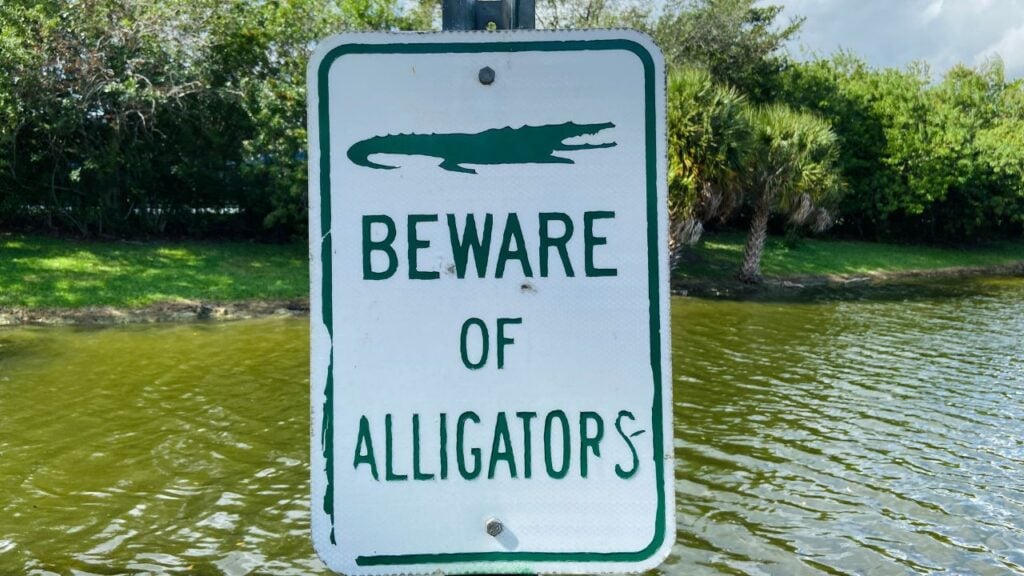
A stomped-on sea turtle nest in Miami Beach turned into a felony charge for a tourist who thought he was just taking a shortcut.
Many people who run into trouble with Florida’s wildlife rules are trying to help an animal, pet it, or snap a good photo, not hurt it.
10 Florida Wildlife Rules People Break Just by “Being Friendly”
9 Things That Instantly Mark You as a Florida Newcomer
By late August, a Florida newcomer’s front bumper wears a gray crust they can’t scrub off, and they have no idea what it is.
Locals know a lovebug swarm on sight, and that’s just the start of what nobody warns people about before the move.
