
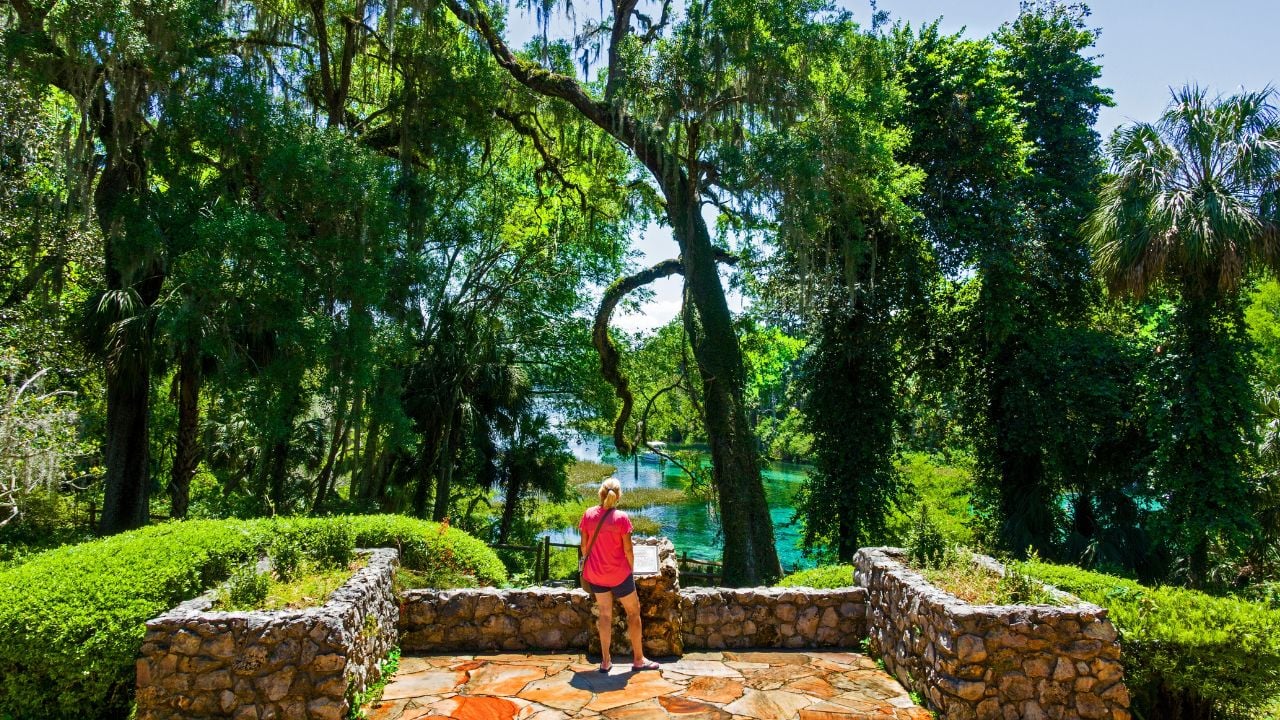
9 Florida State Parks Locals Visit Before Tourists Find Them

Florida runs 175 state parks, trails and historic sites.
Many road trips down I-75 only ever touch three or four of them.
These are the Florida state parks locals visit long before a tourist ever finds them.
1. Hillsborough River State Park
Hillsborough River State Park protects a stretch of genuine Class II rapids, a rarity in a state this flat, on a river Tampa-area paddlers have used for generations.
Nobody expects whitewater in Florida.
Thonotosassa locals paddle it on ordinary Saturdays.
Beach-bound snowbirds rarely make the exit for it.
The Civilian Conservation Corps built the park around those rapids in the 1930s, including a suspension bridge that still crosses the river today.
The river itself carries an older name than the park does, named in the late 1700s for Wills Hill, the Earl of Hillsborough.
The campground fills hardest every February and March, when the Florida Strawberry Festival pulls in crowds who already know exactly where they’re headed after the fairgrounds close.
2. Myakka River State Park
Myakka River State Park spreads across more than 17,000 acres that Sarasota-area residents treat like a backyard, not a bucket-list stop.
The state bought the land from the estate of Bertha Palmer, the Chicago socialite who once owned much of the surrounding county, and dedicated the park in 1941.
That’s eighty-four years, and counting.
The Florida Legislature named the Myakka the state’s first and only designated Wild and Scenic River in 1985, protecting a 34-mile stretch that runs straight through the park.
Locals rent an airboat or walk the canopy walkway on an ordinary weekday afternoon.
Its Civilian Conservation Corps-era cabins book up fast, especially among Florida residents who get to reserve them before anyone booking from out of state can.
How Florida State Parks Give Residents a Head Start
Florida state parks let a Florida resident book a cabin, camper site, tent site, boat slip or equestrian site 11 months ahead of the arrival date, a full month before anyone booking from outside the state can touch the same site.
That edge takes a valid Florida driver’s license or ID number entered at booking, and the state checks it against Department of Highway Safety and Motor Vehicles records every year to keep it current.
3. Paynes Prairie Preserve State Park
Paynes Prairie Preserve State Park became Florida’s first state preserve in 1970, and Gainesville residents still treat its La Chua Trail boardwalk like a neighborhood walking loop.
Wildlife officials brought a bison herd down from Nebraska in 1975, and their descendants still graze the same grassland today.
The wild horses sharing that prairie trace back to Spanish stock brought to Florida in 1521, feral for centuries before cowhunters put the breed back to work.
They were almost gone. Now they’re protected.
Tourists chasing Florida’s beaches rarely learn the state runs a grassland herd of its own.
Gainesville families walk the boardwalk before work the way other cities jog a greenway.
4. Wekiwa Springs State Park
Wekiwa Springs State Park pumps out 43 million gallons of 72-degree water a day, and Orlando-area residents treat it as a reset button after a week of theme park traffic.
You won’t find a mascot in sight.
The spring sits less than 20 minutes from the tourist corridor, yet visitors staying near the parks almost never hear about it.
Black bears wander the park’s pine flatwoods, and regulars know to give them room on the Sand Lake Trail.
Weekday mornings belong to Orlando-area families who show up before the lot fills.
5. Rainbow Springs State Park
Rainbow Springs State Park moves enough water to rank as Florida’s fourth-largest spring, and Ocala-area locals tube past its waterfalls for free instead of buying a ticket across town.
Those waterfalls look natural, but they’re piled from leftover dirt out of an 1889 phosphate mine, later dressed up with mermaid shows and submarine tours when it ran as a private tourist attraction through the 1950s and 1960s.
Nobody puts on mermaid shows anymore.
That attraction closed in the 1970s once Interstate 75 and Walt Disney World pulled its crowds away.
Florida bought the property in 1990 and reopened it as a park.
Dunnellon locals paddle the spring run on a Tuesday afternoon while Silver Springs, an hour up the road, keeps the glass-bottom-boat crowds busy instead.
6. Torreya State Park
Torreya State Park climbs to about 300 feet at Logan Hill, about as close to a mountain as Florida gets, and Panhandle locals hike it for views the rest of the state can’t offer.
Confederate gunners carved a six-cannon battery into these same bluffs in 1863 to guard the Apalachicola River, a supply route to the Confederacy’s shipyards upriver in Columbus, Georgia.
Those gun emplacements still line the River Bluff Trail today, each one marked for hikers who stop to read the signs.
The tree that gives the park its name grows almost nowhere else on Earth.
Its population has crashed from roughly 600,000 trees in the early 1800s to about 200 alive today.
Only two hundred trees remain, total.
That’s the entire wild population.
Torreya sits in Liberty County, Florida’s least populous county, about an hour off Interstate 10 down narrow rural roads through Bristol.
Bristol and Liberty County locals hike the bluff trails on weekends, while out-of-state tourists sticking to the interstate rarely make that detour at all.
7. O’Leno State Park
O’Leno State Park watches the Santa Fe River disappear into a sinkhole and travel three miles underground before it resurfaces at River Rise, a piece of Florida geology many tourists never learn exists.
That trips up many first-time hikers.
High Springs and Gainesville residents have used the park’s swimming hole and camping cabins since the early 1900s, long before the Civilian Conservation Corps built the current structures between 1935 and 1936.
O’Leno became one of Florida’s original nine state parks in 1940.
Its wooden suspension bridge, another Civilian Conservation Corps build, has carried generations of local families across the river toward the sink trail.
8. Highlands Hammock State Park
Highlands Hammock State Park opened in August 1935 as one of Florida’s first state parks, after federal officials inspected the land in 1930 and rejected it for national park status because it was too small.
It never felt too small to locals.
They’ve used it ever since.
Sebring and Highlands County residents walk the old-growth hammock trail under oaks that predate the park itself, and the park now carries more rare and endemic species than any other Florida state park.
Two Civilian Conservation Corps companies worked the grounds from 1934 to 1941, planting trees and building the roads, bridges and cabins hikers still use today.
Florida runs 175 state parks, trails and historic sites now, and Highlands Hammock was one of the very first.
Heartland families picnic there weekend after weekend while through-traffic drives straight past on US 27.
9. Oleta River State Park
Oleta River State Park packs Florida’s largest urban park title into 1,043 acres of North Miami Beach that many tourists drive past on the way to South Beach.
It doesn’t need a valet.
Fifteen miles of mountain bike trails wind through the mangroves, less than 30 minutes from downtown Miami.
Miami-Dade residents paddleboard the mangrove tunnels after work while out-of-towners spend that same hour parking near Ocean Drive instead.
Oleta River State Park closes at sunset every day of the year, a detail regulars build their whole visit around.
Weekday riders time it with low tide too, since a rising tide turns the mangrove tunnels into a mud crawl no visitor guide ever mentions.
By late August, a Florida newcomer’s front bumper wears a gray crust they can’t scrub off, and they have no idea what it is.
Locals know on sight, and lovebugs are only the start of what nobody warns people about before the move.
Psst! How much do you know about Florida’s state parks? Take our quiz and see how many you can get right.
Quiz
Florida State Parks IQ
Answer these questions on Florida state park history and records. We bet you can’t get them all right. Prove us wrong?
Blue Spring State Park set a one-day manatee count record in January 2024. About how many manatees did counters find in the spring that day?
9 Things That Instantly Mark You as a Florida Newcomer
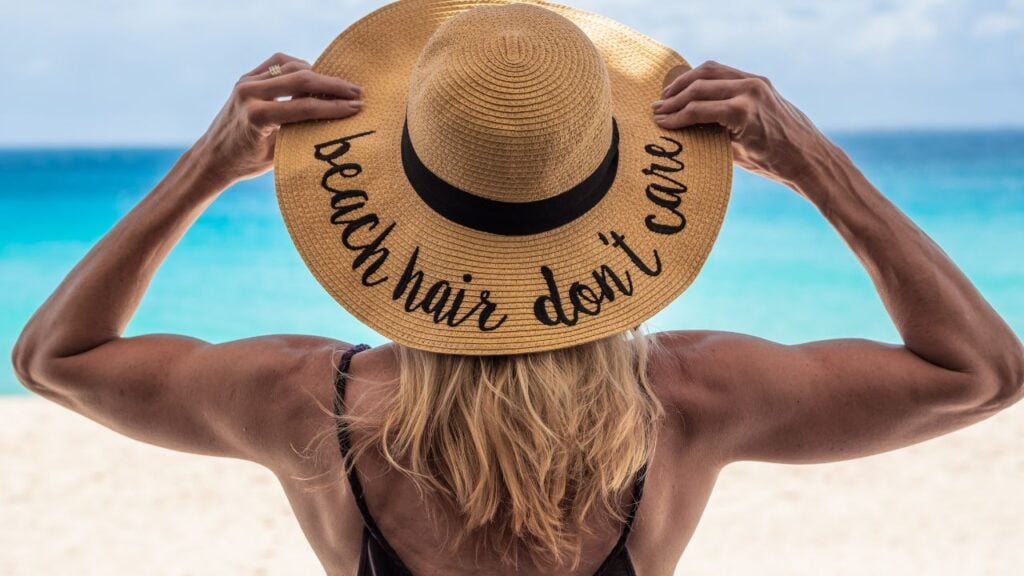
9 Things That Instantly Mark You as a Florida Newcomer
10 Florida Wildlife Rules People Break Just by "Being Friendly"
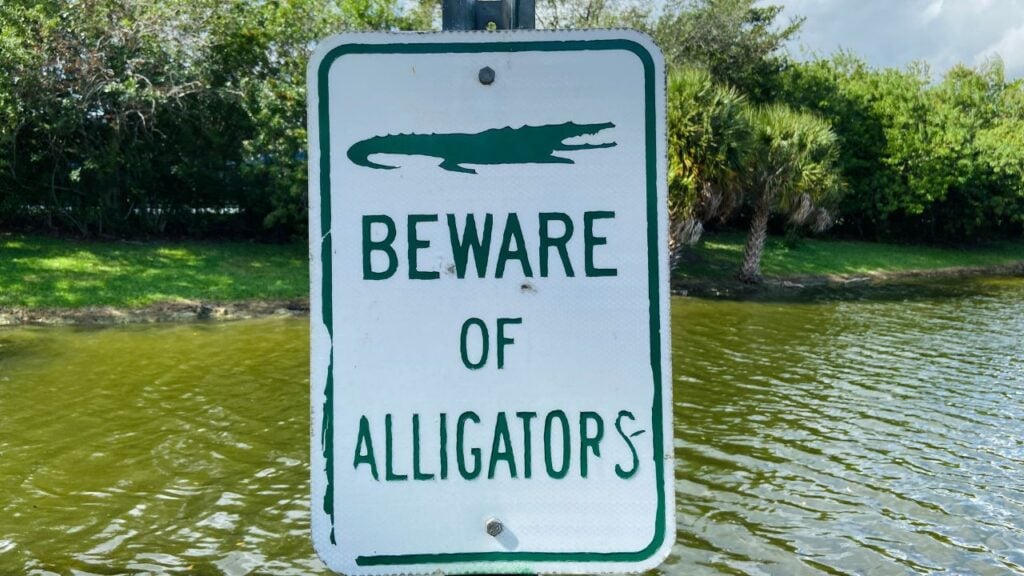
A stomped-on sea turtle nest in Miami Beach turned into a felony charge and a $5,000 bond for a Michigan woman in 2019.
Many people who run into trouble with Florida's wildlife rules are only trying to help an animal, pet it or snap a good photo.
10 Florida Wildlife Rules People Break Just by "Being Friendly"
