
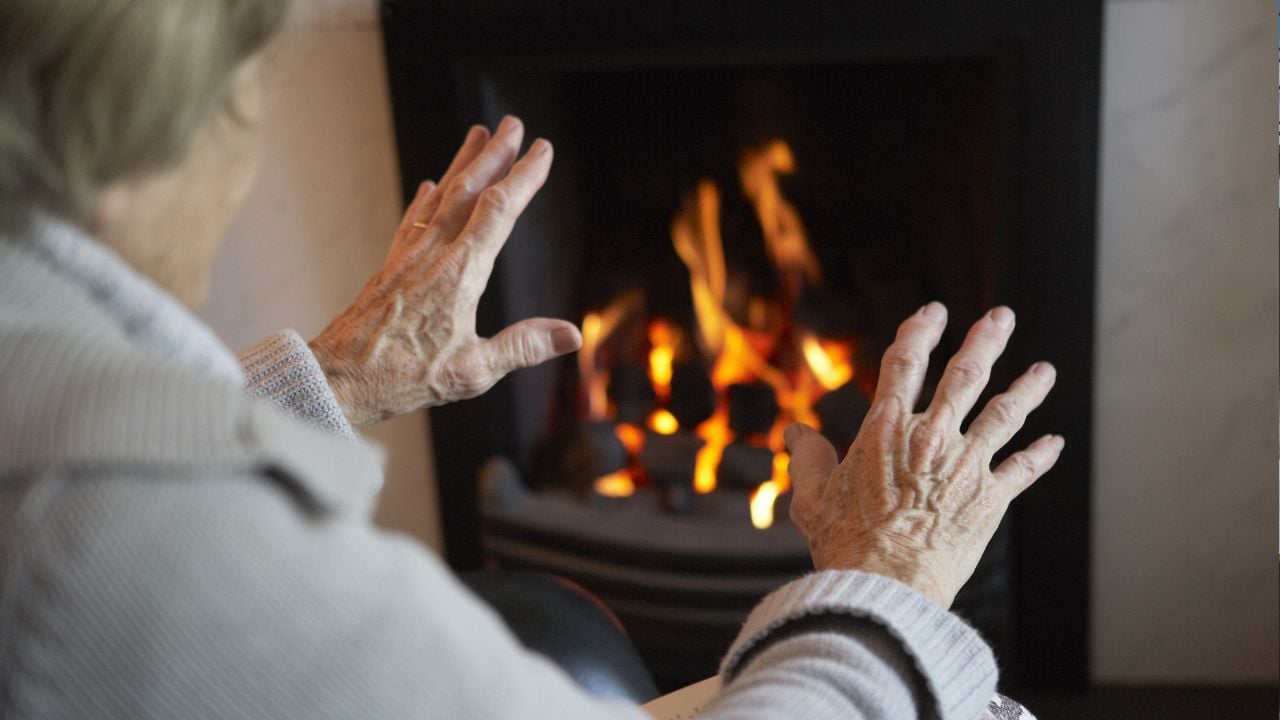
9 Home Heating Assistance Programs Pennsylvania Retirees Overlook

A Pittsburgh retiree calls her gas company in January, braced to negotiate a shutoff notice, and hangs up enrolled in a program that’ll forgive her old balance a payment at a time.
She didn’t know that program existed until she asked.
Pennsylvania’s utilities run assistance that chips away at old debt month by month once a retiree enrolls, on top of a well-known cash grant that maxes out at $1,000.
These are the Pennsylvania heating assistance programs many retirees don’t realize exist.
Note: This is general information, not financial advice. Income limits, grant amounts and application windows are subject to change.
1. Skipping LIHEAP’s Cash Grant
The Low-Income Home Energy Assistance Program (LIHEAP) sends a cash grant of $200 to $1,000 straight to a retiree’s heating account, sized by household, income and fuel type.
Pennsylvania draws the income line at $23,940 a year for one person, 150% of the federal poverty guideline.
An average Social Security retirement check comes to $2,071 a month, or $24,852 a year.
That’s $912 more than the cutoff.
So close.
A retiree living on Social Security alone can miss this one grant by less than a hundred dollars a month, and never learn several more chances sit right behind it.
2. Assuming One LIHEAP Check Is All You Get
LIHEAP’s crisis grant covers a heating emergency the cash grant never touches, worth up to $1,000 more.
A furnace that quits in February, a shutoff notice, or less than two weeks of oil, propane, coal or wood left qualifies.
The two grants run as completely separate benefits, and a retiree who already collected the cash payment this season can still apply for crisis help the moment an emergency hits.
A second check, same season.
The minimum payout is just $25, so even a small gap qualifies.
3. Missing the Customer Assistance Program
Pennsylvania’s Public Utility Commission requires every major electric and gas company to run a version of the Customer Assistance Program (CAP), which caps a retiree’s monthly bill at a set share of household income.
Philadelphia’s electric utility (PECO) calls its version CAP.
Pennsylvania Power and Light (PPL) brands the same idea OnTrack.
Enroll, and the utility forgives a slice of any old debt every time a payment lands on time.
Two names, one program.
The commission’s own math shows a household earning $10,000 a year can save an average of $1,000 annually once enrolled.
Current customers in good standing qualify too, not just accounts already headed to collections, and the discount keeps running every month instead of arriving as a one-time check.
4. Losing Out on the Low Income Usage Reduction Program
A crew from a retiree’s own electric or gas company can repair or replace a failing furnace, add insulation and seal drafts under Pennsylvania’s Low Income Usage Reduction Program, at no charge.
Utilities fund the work through a surcharge on every customer’s bill under Public Utility Commission order, separate from the government’s own weatherization program.
Paid by neighbors, not taxes.
Income at or below 200% of the federal poverty guideline qualifies a household, and high energy use on the account strengthens the case.
A long-term Penn State review of the program found 69% of enrolled households cut their energy use afterward, an average drop of 16.5%.
That’s a sizable dent in a winter bill, and it isn’t limited to one visit.
Eligibility can reset over time, so a home that already got the work years ago can qualify again.
Psst! Curious whether Pennsylvania owes you help with your heating bill? Run through this checklist and see where you stand.
5. Ignoring the Weatherization Assistance Program
The Weatherization Assistance Program pays for insulation, air sealing and a full furnace replacement through Pennsylvania’s Department of Community and Economic Development, not the utility company.
A single retiree qualifies at up to $31,920 a year, and a household of four can earn up to $66,000.
Room to spare.
A retiree already approved for LIHEAP, Supplemental Security Income or a similar benefit clears the income bar for weatherization automatically, without filing separate proof of earnings.
The work runs through a local community action agency, county by county, and many retirees have never called theirs for anything at all.
6. Forgetting the Dollar Energy Fund
After LIHEAP and the crisis grant are tapped out, Pennsylvania’s Dollar Energy Fund is where a retiree turned away by both can still find one more grant toward a utility bill.
It’s the fund almost nobody mentions: Retirees who hear no from LIHEAP rarely know to keep asking somewhere else.
It’s a nonprofit, not a government office, funded by utility customers and shareholders who donate directly to it.
Eligibility and payment history rules vary by utility company: FirstEnergy customers, meaning Met-Ed, Penn Power, Penelec and West Penn Power, generally need to have paid at least $150 toward the account in the past three months, or just $100 if the customer is 62 or older.
Funding runs first-come, first-served, and it closes once the year’s donations are spent.
Call early.
7. Overlooking UGI’s Operation Share
A natural gas utility serving central and eastern Pennsylvania (UGI) runs an Operation Share program that grants emergency payments to its own customers, paid for by employee and company donations, not tax dollars.
The income ceiling runs to 250% of the federal poverty guideline, well past LIHEAP’s cutoff.
A retiree turned away from LIHEAP for earning too much can still clear this bar with room to spare.
The bar to qualify is a past-due balance of at least $25, nowhere near the shutoff-notice threshold some other programs require.
A low bar, on purpose.
Because it runs on employee and company donations rather than state money, it never turns up when a retiree searches for an official Pennsylvania program.
How Far Pennsylvania’s Income Lines Reach
Pennsylvania ties eligibility for four of these programs, LIHEAP, the Weatherization Assistance Program, the Low Income Usage Reduction Program and UGI’s Operation Share, to the same federal poverty guideline, just at a different multiple each time.
Operation Share’s 250% line comes out to roughly $39,900 a year for one person.
That’s about $16,000 higher than LIHEAP’s cutoff, and about $8,000 higher than the line the other two programs use.
8. Bypassing the Utility Emergency Services Fund
The Utility Emergency Services Fund, a Pennsylvania nonprofit serving Philadelphia County, erases overdue gas, electric or water bills, up to $1,500 when Philadelphia Gas Works matches the nonprofit’s grant dollar for dollar on a PGW account.
Easy to miss.
The exact match and cap work differently through PECO and the Philadelphia Water Department, so the dollar amount depends on which utility a household is calling about.
Income at or below 175% of the federal poverty guideline qualifies a Philadelphia County household, and the fund can be used again every two years.
A retiree who has lived in the same Philadelphia rowhome for decades and never had to ask for help before often assumes a fund like this would turn up in a state benefits search; because it’s nonprofit-run, it usually doesn’t.
9. Never Calling About PGW’s Customer Responsibility Program
Philadelphia Gas Works (PGW) runs its own income-based plan, separate from the statewide Customer Assistance Program, called the Customer Responsibility Program (CRP).
A qualifying retiree’s monthly gas bill locks at a fixed amount, sometimes as low as $25, based on household size and income rather than how much gas the furnace burns.
That fixed bill can run to roughly 4% of household income, and PGW advertises the discount as up to 50% off a typical bill.
Old debt doesn’t vanish overnight, but it clears in increments over three years of on-time payments.
A clean slate.
PGW mails a paper application, but the fastest route is a phone call to customer service asking directly for CRP enrollment.
That one call starts the three-year clock on any old balance and locks in the lower monthly payment right away.
9 Reasons Retirees Are Rethinking Pennsylvania in 2026
Pennsylvania’s lottery has funneled more than $37 billion into programs built for older residents since 1972, the only state lottery in the country designed that way.
That track record makes it easy to assume Pennsylvania retirees have every need covered, and a closer look at the state’s own gaps says otherwise.
9 Reasons Retirees Are Rethinking Pennsylvania in 2026
What Facebook Marketplace’s New Seller App Means for Pennsylvania Sellers

Facebook’s new Seller app isn’t built for someone in Pittsburgh clearing out a closet, it’s aimed at people running Marketplace like a business.
Pennsylvania has its own rule about exactly when that closet clean-out turns into one, and many sellers can’t even download the app yet.
What Facebook Marketplace’s New Seller App Means for Pennsylvania Sellers
