
8 Storm Repair Scams That Follow Every Texas Hurricane

A Dallas-Fort Worth roofing company collected close to $500,000 from Texas homeowners for storm repairs it never finished.
That case is still moving through the court system.
These are the storm repair scams that come back to Texas neighborhoods every hurricane season, right on schedule.
Note: This is general information, not legal or financial advice. Scam tactics, contractor rules, and disaster laws are subject to change, so report suspected fraud to the Texas Attorney General’s Consumer Protection Division.
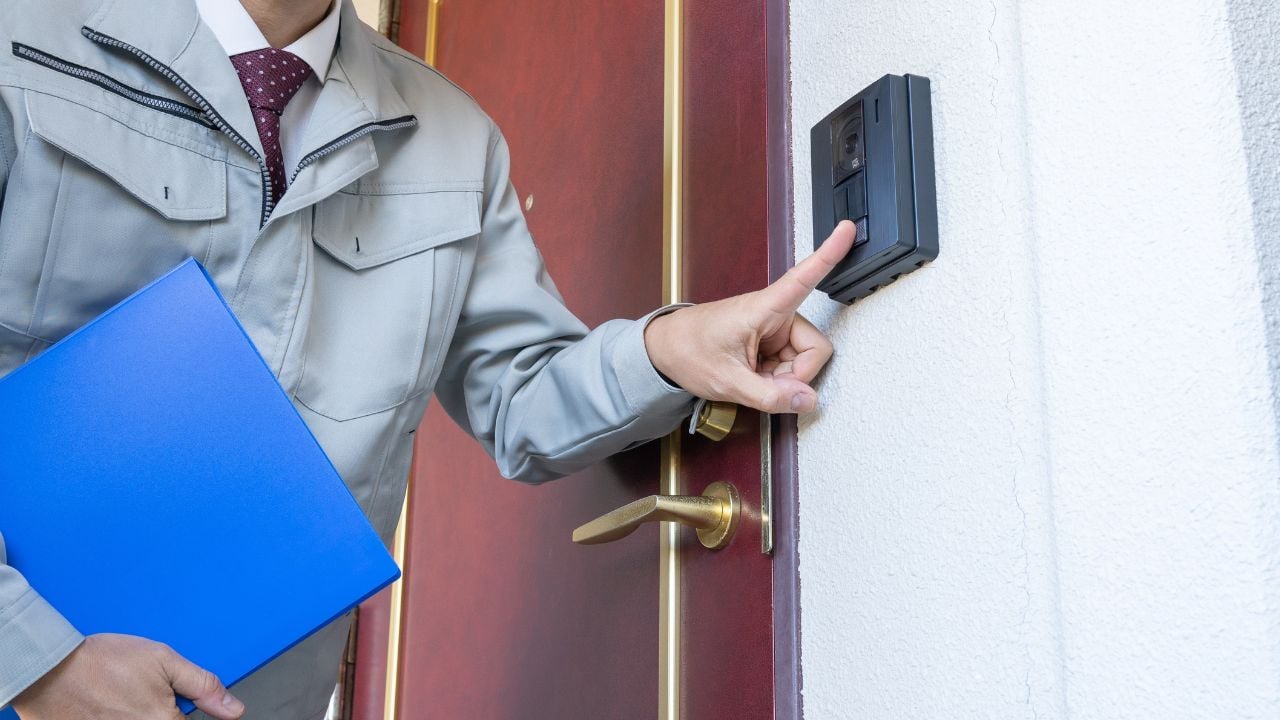
1. Storm-Chasing Door-Knockers
Storm-chasing roofing crews follow the same weather maps Texans do, and they often reach a damaged block before the insurance adjuster does.
These out-of-town teams canvass a hurricane-hit neighborhood door to door, offer a “free inspection,” and push for a signature that same afternoon.
A truck with no local business name on the door, a stranger who says he was “already in the area,” and pressure to sign before a neighbor beats him to it are the classic combination.
Nothing about him checks out.
There’s no local address to trace and no local ties to the neighborhood.
The Texas Department of Insurance flags storm-chasing criminals by name in its own homeowner warnings and tells Texans to hire a local, verifiable company instead.
A contractor with a permanent address in your own county is far easier to track down if the work goes wrong.
2. Signing Before Any Inspection
Sign first, inspect never: That’s the backwards order behind a storm-repair scam that catches even careful Texans off guard.
A contractor asks a homeowner to sign “just so I can get up on the roof and take a look,” and the document turns out to be a full contract, not a permission form.
Read it first.
The Texas Department of Insurance lists this exact move among its most common storm scams, and warns that skipping the fine print can lock a homeowner into one company before any estimate ever comes back.
Ask for a blank copy to read at the kitchen table before anyone signs anything on the porch.
3. Contracts With Blank Spaces
Contracts with blank pricing or scope sections are built to be filled in after a Texan already signed.
A contractor leaves the price, the materials, or the scope of work empty, promising to “fill it in later once the adjuster settles the claim.”
That later number is rarely the one a homeowner expected.
Every blank matters.
Texas consumer protection guidance is blunt about this one: Never sign a contract that isn’t fully filled out because a contractor can write anything into those blanks afterward, and it becomes binding.
A homeowner who insists on a completed contract before signing loses nothing and closes off the entire scam.
4. Full-Proceeds Contract Clauses
A full-proceeds clause is the line many Texas homeowners never notice buried in a repair contract.
The wording reads something like “homeowner agrees to the listed repairs for the value of the insurance proceeds,” which sounds routine.
It isn’t.
Signing that clause hands a contractor every dollar an insurer pays out, whether or not the repairs match what was promised.
State regulators warn Texans never to sign a contract written this way, since a contractor bound to nothing but “the value of the proceeds” has little reason to finish the job to your standards.
Psst! How much do you know about Texas storm-repair scams? Take a look at these and see how many you can spot before you flip the card.
5. Deductible-Waiver Offers
Why would a contractor offer to cover a homeowner’s deductible after a Texas storm?
It sounds like a favor.
Texas law calls it a form of insurance fraud.
A contractor promises to “cover your deductible” or “work it into the bid,” so the repair job costs the homeowner nothing out of pocket.
The deductible is a homeowner’s own responsibility under the policy.
A contractor who offers to waive it or rebate it is asking a Texan to help misstate the true cost of the claim to an insurer.
Hire someone else the moment a deductible waiver comes up.
6. Big Deposits Before Work Starts
Big deposits demanded before any work starts are exactly what a Texas law was written to stop.
Some crews ask for half the job, or the whole amount, before a single tarp goes up, often insisting on cash.
That’s illegal.
The Dallas-Fort Worth company sued by the Texas Attorney General collected roughly $500,000 from homeowners for roofing work that was never completed, some of it insurance money handed over up front.
One family reportedly paid more than $24,000 for a roof that was repeatedly delayed and never finished.
An out-of-area crew asking for money before touching your roof is doing something Texas law already says they can’t do once a disaster is declared.
What Counts as “Local” Under Texas’ Disaster Law
Texas’ disaster remediation law, Chapter 58 of the Business and Commerce Code, only protects homeowners from a contractor who is from outside the area.
A contractor counts as local if it has kept a physical business address in your county, or the county next door, for at least a year before the storm.
That proportional-payment protection only applies to the out-of-area contractors Chapter 58 covers.
A contractor who counts as local falls outside the law entirely, deposit rules and all.
A crew that shows up from three counties away with no such history has to wait until work begins before collecting a dime, no matter how convincing the pitch sounds.
7. Insurance-Check Endorsement Fraud
Insurance-check endorsement fraud is a storm repair scam that follows Texas hurricanes once the insurance company has already paid out.
Insurers often make a storm-repair check payable jointly to the homeowner and the mortgage company, which means both parties are supposed to sign off before it’s cashed.
Both signatures matter.
Some contractors pressure a Texan to endorse the check over immediately, or forge that second signature themselves, and deposit the money before any work begins.
One Texas homeowner reported that a roofing company collected a $10,000 insurance check and then abandoned the project for months, part of the pattern the Attorney General’s office cited in its lawsuit against that same Dallas-Fort Worth roofer.
Wait to endorse any check until the work is finished and the results match what was promised.
8. Fake FEMA and Adjuster Calls
In the same week FEMA’s own inspectors are still working through their list, fake FEMA and adjuster calls start targeting Texans too.
Scammers show up at the door, call, or text claiming to be a FEMA housing inspector, an insurance adjuster, or a charity worker, then ask for a fee, a donation, or a bank account number before they’ll “process” anything.
That’s backwards.
The Federal Emergency Management Agency (FEMA) has stated plainly that its representatives never charge a fee for disaster assistance, an inspection, or help filling out an application.
A genuine inspector carries a photo ID badge and can recite a homeowner’s own nine-digit FEMA registration number without being asked twice.
Anyone who can’t do both of those things on your porch isn’t who they claim to be.
8 Property Tax Mistakes Costing Texas Homeowners Every Year

Pay a Texas property tax bill just one day late, and the penalty jumps 6% by the next morning.
Wait until July, and that penalty rises to 12%, with interest still adding on top every month.
8 Property Tax Mistakes Costing Texas Homeowners Every Year
8 Money Mistakes That Cost Texas Renters Every Year

A Texas renter pays rent two days late, and a landlord tacks on a fee that isn’t written anywhere in the lease.
State law says that’s not allowed, and many renters pay it anyway.
