
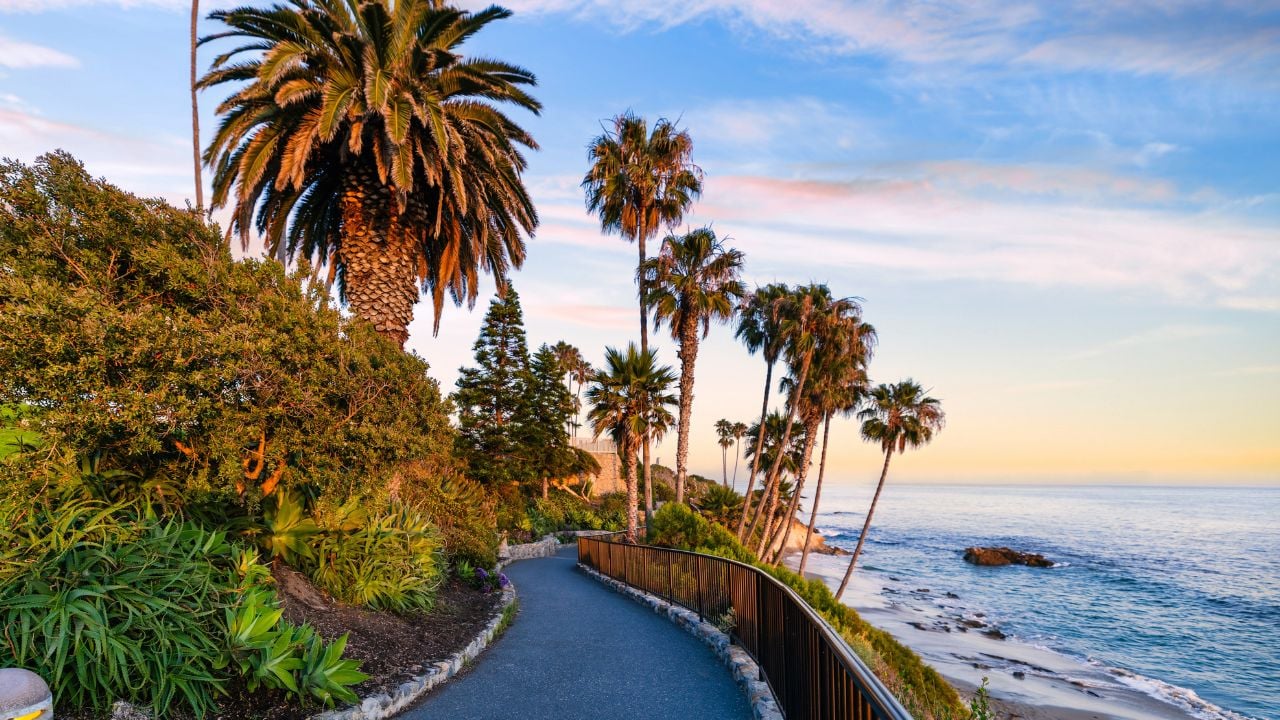
Bye-bye, Tourists! 9 California Beach Towns Locals Get Back in September

Coronado’s beachfront hotel rates start easing the same week Labor Day weekend ends, and they keep sliding into fall.
That’s one island in one county.
Multiply that pattern up the length of California’s coastline, and locals get back a version of their towns that summer’s tourists never see.
These are the California beach towns where locals will get their sidewalks back once Labor Day weekend wraps up.
Newport Beach
Newport Beach residents have a nickname for what happens once Labor Day weekend ends: local summer.
People along the Southern California coast use the term for the weeks that follow the holiday, when the ocean is still warm enough for a swim but the tourist crowd has thinned by half.
Dinner reservations open up too.
Newport Beach’s harbor and pier still pull a crowd on weekends.
But the midweek lulls stretch on well into the month.
Locals get their beaches back well before October arrives.
Laguna Beach
Coast Highway traffic finally breaks in Laguna Beach once its summer art festivals close for the season.
All four wrap within days of each other every September.
The Festival of Arts closes first, on September 3, 2026.
The Pageant of the Masters gives its final performance the next night, September 4.
The Sawdust Art Festival and Laguna Art-A-Fair both run through Labor Day weekend, closing September 6.
That’s four separate draws, gone within four days.
That adds up fast.
Laguna Canyon Road stops crawling bumper to bumper once the tents come down.
Parking opens up on Forest Avenue for the first time since June.
Coronado
Guests check out of Coronado’s beachfront resorts fast once Labor Day weekend ends, and hotel rates usually ease right behind them.
The whole island feels it.
The rate drop reaches Coronado’s four biggest beachfront resorts, the Hotel del Coronado included.
Fewer hotel guests means fewer people crowding the beach out front.
It also means fewer cars circling for a spot on Orange Avenue, Coronado’s mile-long main street.
Locals reclaim the ferry landing and the bay-front path too, once the July and August visitor wave rolls back out.
La Jolla
Fog is the first thing to lift in La Jolla once September arrives, and the crowds packed onto La Jolla Cove ease up right along with it.
The Cove’s sea lion colony stays put all year. But the tourists who come to see them pack the overlook shoulder to shoulder every summer.
Not after Labor Day weekend.
The overlook railing finally has room for locals to lean on.
Street parking around the Cove, always tight on weekends, opens up on weekday mornings once summer’s visitor wave clears out.
Carmel-by-the-Sea
Crowds that pack Carmel-by-the-Sea’s sidewalks all summer thin out considerably each fall, right as the coastal fog starts clearing earlier in the day.
Fall brings clearer skies and fewer crowds to Monterey County, while summer mornings still carry coastal fog.
Daytime temperatures hold near 70 degrees during that window, milder than July’s marine layer.
The timing favors locals.
Carmel-by-the-Sea packs its whole downtown into about one square mile, a walkable grid that opens up fast once the tour buses and day-trippers thin out.
Why California’s Fog Peaks in Summer, Not Fall
California’s coastal fog is thickest in summer, not fall because the state’s hot inland valleys pull cool, moist ocean air onshore.
That gap between a scorching Central Valley and a still-cool Pacific Ocean drives the marine layer over towns from San Francisco to Santa Barbara every June through August.
By September, the inland heat eases.
The ocean has been warming all summer, too.
Together, those two shifts make the fog burn off earlier in the day.
Some towns hit their clearest, warmest weather of the year right as the crowds move on.
Pismo Beach
Crowds clear out of Pismo Beach fast once Labor Day weekend ends, in the gap between summer’s peak and the next one.
That next crowd is the Pismo Beach Clam Festival, a tradition since 1946 that pulls tens of thousands of visitors into town every October.
September sits in between.
Downtown Pismo Beach and its wooden pier see far fewer visitors right after Labor Day.
Hotel rates drop along with the crowd, and the weather holds in the mid-60s to mid-70s, some of the best of the year.
Capitola
A festival built around begonia growers has closed out summer in Capitola every Labor Day weekend since 1954.
It doubles as summer’s own send-off in the village.
Once the last float clears the water, the crowd goes with it.
The creek clears out fast.
Capitola’s beach and its small fishing wharf see their warmest water of the year in September and October.
Locals can usually park without circling the block twice.
Half Moon Bay
Marine fog blankets Half Moon Bay’s coastline many summer mornings, and it finally clears for good once fall arrives.
That marine layer recedes each fall, leaving clearer skies and temperatures that can rival summer highs.
September and October bring some of the warmest, clearest weather of the year, with far fewer visitors than summer draws.
That combination is rare.
Half Moon Bay’s Main Street shops and its harbor at Pillar Point see steady weekday traffic through summer.
Once the fog lifts and the crowds thin, downtown finally has room to browse.
Mendocino
Hotel prices and crowd sizes both drop across Mendocino once its shoulder season sets in during September and October.
The tiny village still hosts its own event that month, the Mendocino Open Paint Out, a weeklong plein air festival that draws a smaller, art-focused crowd than a summer weekend does.
Locals come out ahead.
Mendocino’s headlands trail and its unincorporated downtown, home to fewer than a thousand year-round residents, host far fewer tour buses once that shoulder season takes hold.
That’s a lot of trail for not many people.
School Calendars Do Some of the Heavy Lifting
California’s own school calendars help explain why these towns change so fast.
Los Angeles Unified starts its year on August 12 this year, and San Diego Unified starts two days earlier, on August 10.
Neither district waits.
Families with school-age kids lose the option of a late-August beach trip well before the holiday weekend arrives.
Some California districts start even earlier than that.
Lodi Unified’s July 24 start date is the earliest anywhere in the state, a full six weeks before Labor Day weekend begins.
10 California Beachcombing Rules That Can Cost Visitors a Fine
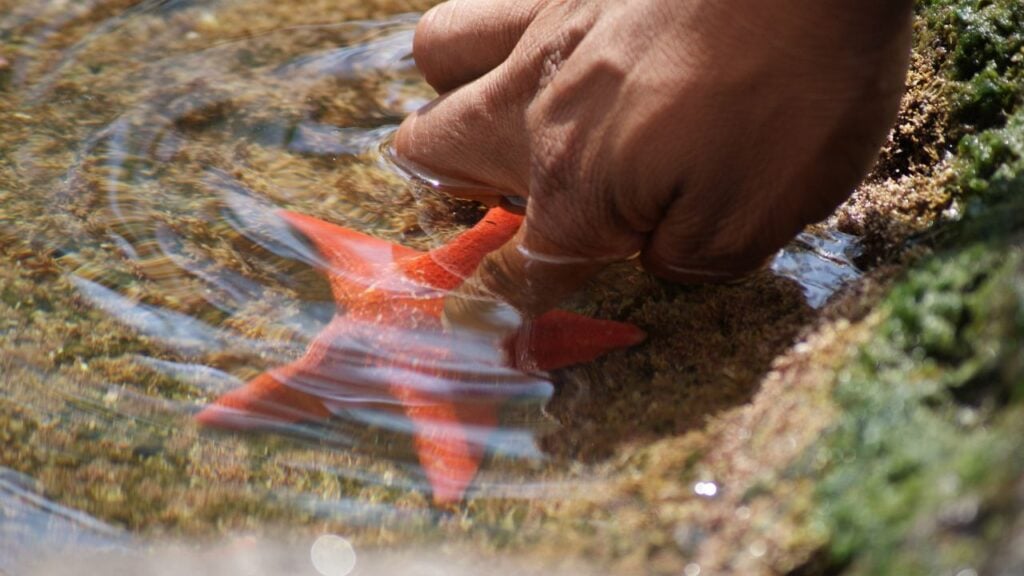
A California beach citation can start at $1,000 and rise past $50,000, depending on what a ranger catches a visitor doing.
These are the rules that turn a relaxed walk on the sand into an expensive mistake.
10 California Beachcombing Rules That Can Cost Visitors a Fine
9 Things Californians Do That Instantly Give Them Away in Another State
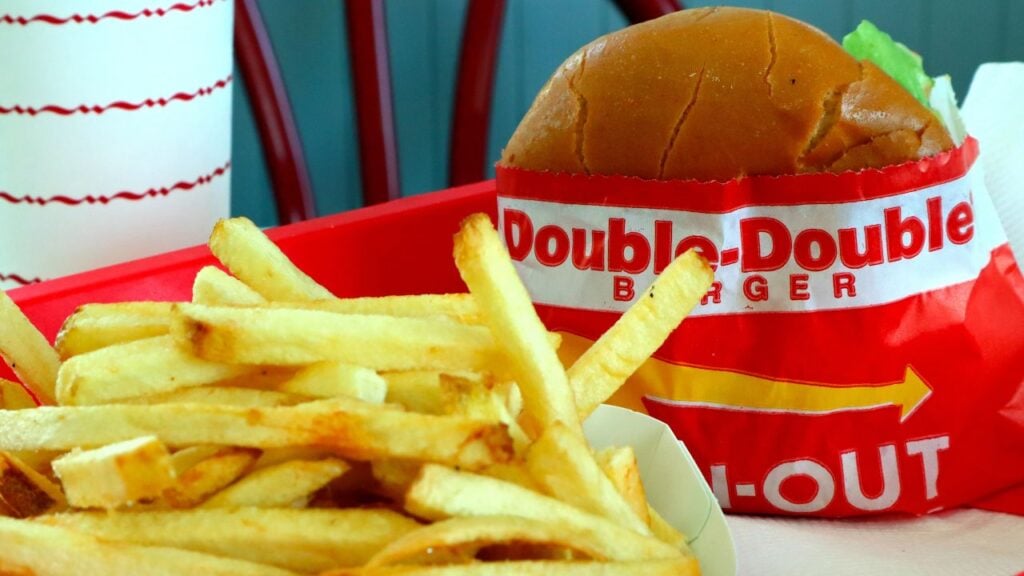
Regular gas in California runs about $1.60 more per gallon than the national average, the widest gap in the country.
These are the habits that mark someone as a Californian the moment they land in another state.
9 Things Californians Do That Instantly Give Them Away in Another State
