
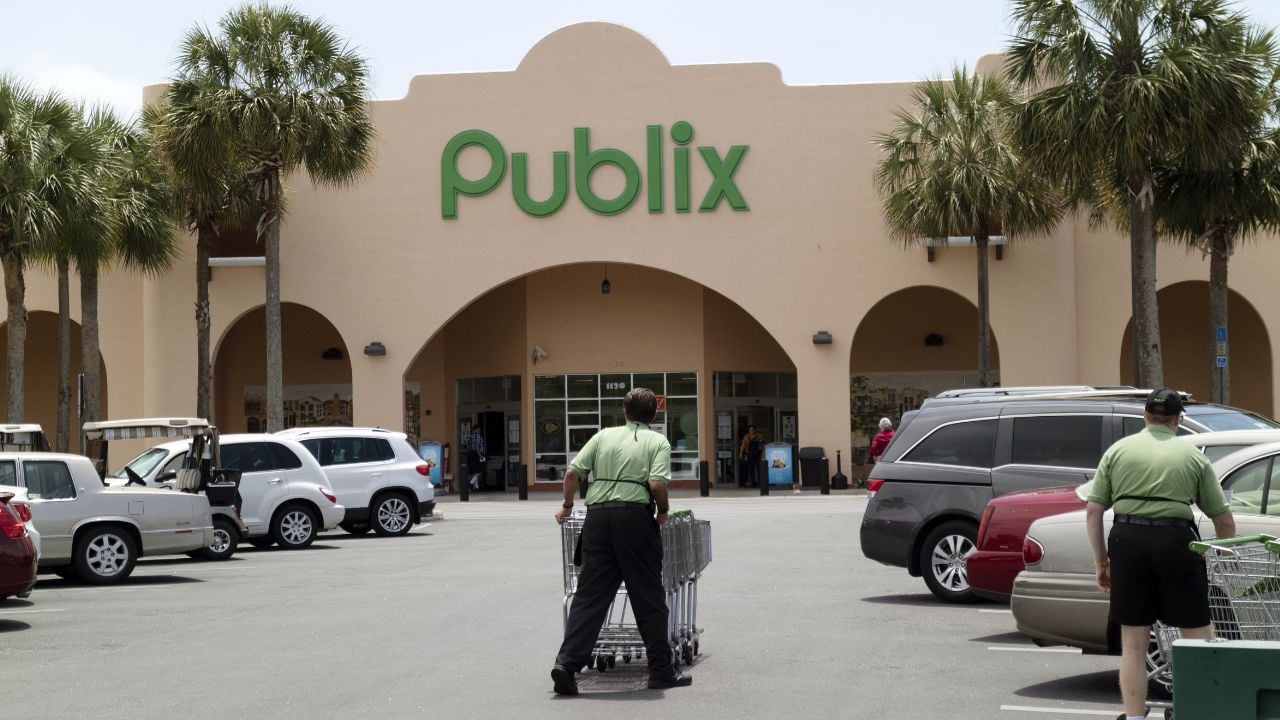
8 Publix Employee Ownership Claims Floridians Have Backwards

Think you could buy a share of Publix the way you’d buy a share of Walmart?
You can’t, no matter how many decades you’ve shopped there.
These are the Publix employee ownership claims many Floridians don’t fully understand.
Note: This is general information, not financial or investment advice. Publix’s stock program rules and share price are subject to change.
1. Ownership on Day One
A new Publix hire has to log 1,000 hours of service within a 12-month period before Publix’s retirement plan counts them as a participant.
That threshold comes straight from the plan document Publix filed with the Securities and Exchange Commission (SEC).
Publix doesn’t hand a new hire stock on their first shift.
No hours means no shares.
Publix calls this retirement and stock program People Reaching Our Future Investing Together (PROFIT Plan), its own name for the employee stock ownership plan (ESOP).
The company contributes shares to eligible associates at no direct cost, and an associate doesn’t buy into that base allocation with their own paycheck.
The Math Behind Publix’s 1,000-Hour Rule
Publix’s 1,000-hour threshold works out to roughly 19 to 20 hours a week, averaged across a full year.
The hours don’t all have to come from time on the clock, either.
Publix’s plan also credits paid leave, up to 12 weeks of unpaid military leave, up to 12 weeks of unpaid Family and Medical Leave Act (FMLA) time, and up to 501 hours of long-term disability toward that same total.
2. Trading on the Market
Publix’s own SEC filing spells out its stock in plain language: The common stock is not traded on any established securities market.
No exchange lists it.
Publix has never published a reason for staying off the exchanges.
Staying off an exchange doesn’t mean staying out of the SEC’s files, though.
Publix registers its stock with the SEC and files annual reports, quarterly reports and proxy statements.
A shopper can watch Walmart’s stock price tick up and down all day on a phone app, but Publix’s isn’t out there to watch the same way.
There’s no public trading floor setting it.
3. Shares Anyone Can Buy
Publix doesn’t sell stock to the general public, full stop.
Correspondence Publix filed with the SEC states it plainly: Only current associates and members of its board of directors can buy Publix stock.
Quit or retire, and that access ends for good.
An outside investor, a customer, or even a former associate’s spouse can’t just walk up and buy in, no matter how much cash they’re holding.
4. The Market-Following Price
Publix’s own ESOP plan document requires an independent, outside appraiser to set the stock’s fair market value, since it isn’t traded on a public market.
The company resets the price using that appraisal, not daily trading. The board sets a new price four times a year, effective March 1, May 1, Aug. 1 and Nov. 1.
It won’t always rise.
Publix’s own stock filing confirms the swing: The price fell from $21.15 a share to $20.40, effective Nov. 1, 2025, after rising the quarter before.
Local reporting confirmed the same numbers when the drop became public.
It has moved both ways since. Publix cut the price again on March 1, 2026, raised it on May 1, then cut it to $19.60 a share effective Aug. 1, 2026. A Publix shopper who assumes the price only ever rises has that part backwards too.
5. Associates’ Ownership of It All
Publix isn’t fully owned by its workforce, even though the “employee-owned” label makes it sound that way.
Past and present associates hold about 80% of the company, by a Forbes estimate, while the Jenkins family, descendants of founder George Jenkins, holds the rest.
They don’t own it all.
That 80% is an estimate, not a figure Publix files. Publix’s 2026 proxy statement puts the ESOP trust’s own holding at 20.93% of the stock and the 401(k) plan’s at 8.66%. An associate who calls themselves a Publix owner is telling the truth, but a family that has never rung a register still holds a genuine slice of the company too.
6. Instant Cash-Outs
SEC correspondence describes a put option that requires Publix to repurchase shares from separated or diversifying participants in cash, for 15 months after the shares are distributed.
Publix stock can’t be sold on the spot the way a public stock can.
There’s no exchange to sell it on, so Publix itself is on the hook to buy certain shares back.
That payout can’t land same-day.
The 15 months isn’t a waiting period, though.
It’s the window in which a holder can require Publix to buy the shares.
7. Ownership’s Vote on the Store
Publix shareholders don’t get a ballot on how their own store runs its deli or staffs a Saturday shift.
Publix’s SEC filing lays out the actual voting right: One vote per share on matters put to stockholders, mostly the election of the board of directors.
That vote skips the store.
An associate’s shares carry weight in who sits on Publix’s board, and none at all over next week’s schedule or the deli’s hours.
8. Just a Nice Perk
Some shoppers write off Publix’s stock plan as a friendly extra, a line on a benefits sheet next to the dental coverage.
The National Center for Employee Ownership’s own Employee Ownership 100 list ranks Publix first, measured by U.S. employment. The list covers companies that are at least 50% employee-owned, not every business with an ownership plan.
This isn’t a niche program.
Publix built its ownership structure at a scale no other employee-owned retailer matches.
How It Compares to Other Employee-Owned Grocers
Publix isn’t the only grocery chain built this way.
That same industry ranking lists several other supermarket companies with employee-ownership structures, including Houchens Industries, a Kentucky-based grocery and convenience-store operator, and Buehler’s Fresh Foods, a small chain based in Ohio.
Both make that same list, and neither operates anywhere close to Publix’s scale.
It’s a different scale entirely.
A small chain’s plan can look nothing like Publix’s SEC-registered structure, with its own eligibility rules and its own appraisal schedule.
The label “employee-owned” covers a wide range of arrangements.
A shopper loyal to a small hometown grocery chain in another state might be backing an employee-owned business too, just a much smaller company with its own separate paperwork.
Publix’s structure runs through an ESOP plan document, SEC filings and quarterly earnings releases.
9 Florida Metal-Detecting Laws That Limit Where Treasure Hunters Can Search

A metal detector looks like harmless beach or park gear until it turns up something under protected ground.
Florida draws a hard line between a state park, a national forest, and a protected river bottom.
A hobbyist who doesn’t know the difference can turn a fun afternoon into a felony.
9 Florida Metal-Detecting Laws That Limit Where Treasure Hunters Can Search
10 Florida Seafood Shacks Locals Drive an Hour For
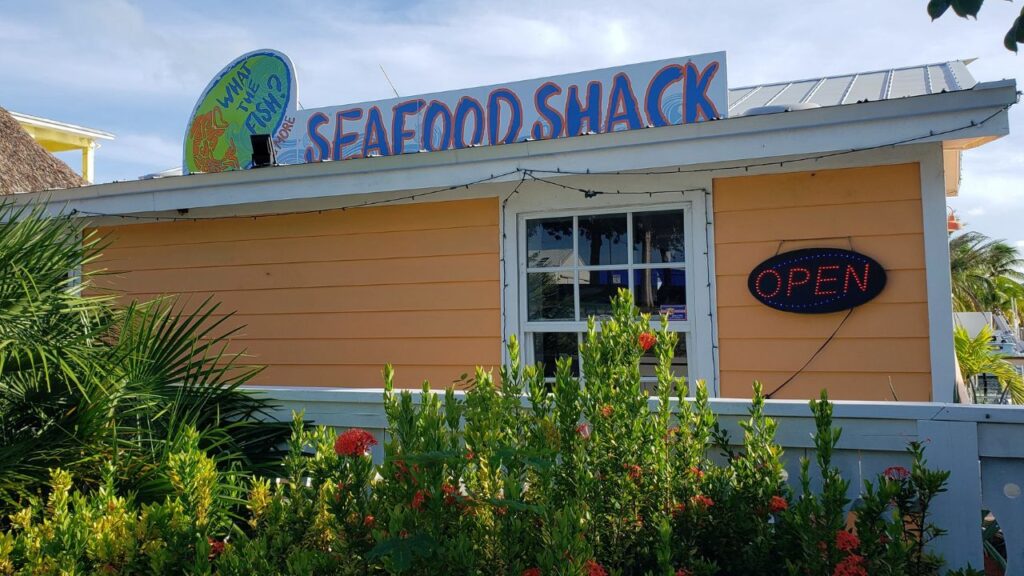
A five-minute drive has never impressed a serious Florida seafood eater.
The good spots sit down two-lane roads with more mangroves than mile markers.
Locals treat that extra hour behind the wheel as part of the meal.
