
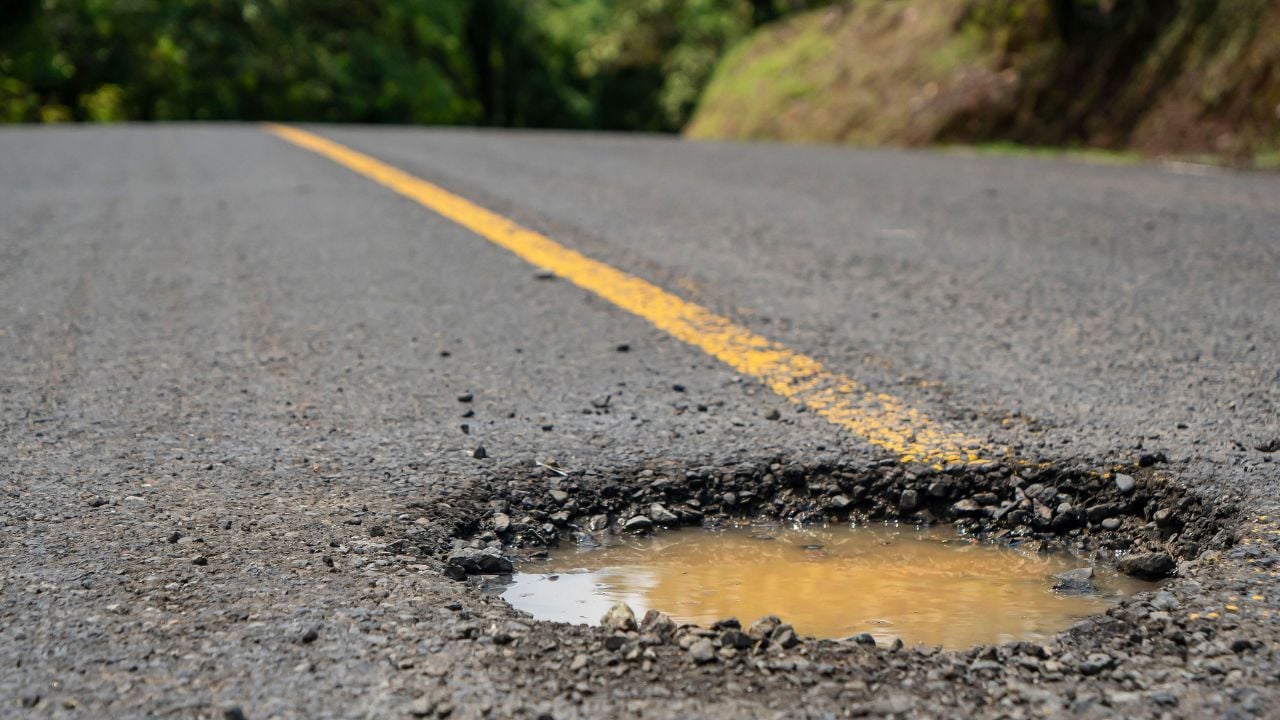
7 Private Road Costs That Land on a Virginia Homeowner Without Warning

A simple resurfacing job on a Virginia private road runs $15,000 to $45,000, per one state paving contractor’s 2026 pricing.
Split ten driveways deep, that’s about $3,000 a household.
Nobody hands a buyer that number at closing, and it isn’t the only one waiting out there.
These are the private road costs that land on a Virginia homeowner without warning.
Note: This is general information, not legal or financial advice. Private road laws, standards from the Virginia Department of Transportation (VDOT), and lender requirements are subject to change, so confirm current rules with VDOT.
1. Financing a Home Without an Agreement
A conventional mortgage on a Virginia home with a private road won’t close without one document: A recorded maintenance agreement.
Fannie Mae’s Selling Guide requires that maintenance agreement to be adequate and legally enforceable for any home on a privately owned and maintained street.
That agreement has to spell out who pays for repairs, each owner’s share, and what happens if someone stops paying.
That’s not optional.
Show up to closing without one, and you’re paying a real estate attorney to draft an agreement fast.
A rushed timeline like that rarely favors the cheapest bid.
One Virginia real estate firm’s posted rate for similar recorded agreement work runs $150 to $350, and urgency tends to push it toward the higher end.
2. Repaving With No County Match
Resurfacing a private road in Virginia falls on the owners who use it.
A Virginia paving contractor’s 2026 pricing puts a simple mill-and-overlay resurfacing job at $15,000 to $45,000.
Full-depth rebuilds, the kind a road needs once its base gives out, run $40,000 to $100,000 or more.
Split ten driveways deep, even the cheaper job runs about $3,000 a household.
It’s due all at once.
No county office picks up part of the tab because a road that stays private never enters the state’s funding pipeline in the first place.
3. Losing VDOT’s Snow Route
Snow doesn’t stop at the edge of a private road in Virginia, but VDOT’s plows do.
Prince William County confirms VDOT clears state-maintained streets only, leaving private roads to whoever owns them: A Homeowners Association (HOA), a community manager, or the residents themselves.
Nationally, a seasonal plowing contract for a large driveway or a short private road runs $600 to $1,000, per 2026 cost-guide data.
That’s before a single ice storm adds an extra call.
Nobody plows for free.
Psst! How much do you know about Virginia’s private road rules? Flip these cards and see how many you get right.
4. Replacing a Washed-Out Culvert
A private road’s weakest point shows up the first time heavy rain hits it hard, and it’s almost always the culvert underneath.
Contractors who install and replace culverts across Virginia say the job rarely stays in the hundreds.
It usually lands in the thousands once you add in excavation, bedding, and driveway repair.
VDOT’s drainage crews don’t touch it because their work covers roads the state has already accepted, not private ones.
One storm ends it.
5. Paying to Join the State System
Virginia does have a path for a private road to become a state-maintained one, called the Rural Addition Program.
To qualify, a road has to have carried public traffic for 20 years, serve at least three families per mile, and come with 40 feet of dedicated right-of-way.
A waiver can shrink that right-of-way to 30 feet, but the other two numbers don’t bend.
The state doesn’t pay.
State law bars a substandard street from entering the system unless it’s brought up to current Department standards using funds that don’t come from the General Assembly.
That leaves the county, a developer, or the property owners themselves to cover the widening, paving, and drainage work first.
Math Behind a Rural Addition Assessment
A Virginia county can bill property owners directly for the work a private road needs before VDOT will accept it, through what state law calls a special assessment.
That assessment can’t run more than one-third of a parcel’s assessed value for property tax purposes.
It also can’t happen at all unless owners of 75% or more of the abutting parcels agree to it in writing.
6. Covering for a Non-Paying Neighbor
A private road in Virginia runs on an honor system unless somebody wrote the rules down.
State law sets no automatic formula for splitting maintenance costs among the owners who share a road.
A handshake deal can fall apart the moment a neighbor stops paying their share.
Virginia law does give one option under § 55.1-307: An owner can repair a road that’s no longer publicly maintained “at his own expense,” without asking every neighbor first.
Local government reviews the work first and sends written notice to everyone else along the road.
That fixes the road.
It doesn’t fix the bill, since nothing in the law requires the other owners to pay them back.
Nobody’s obligated to split it.
7. Hurt on a Road You Co-Own
Owning a stretch of private road in Virginia comes with a duty of care similar to what keeps a city out of court over a pothole.
Personal injury attorneys note that Virginia holds a private road’s owner to a comparable duty to a public road’s government owner.
A hazard you know about and leave unrepaired stops being an accident in Virginia’s eyes.
That hazard becomes the reason a hurt neighbor or visitor can sue you personally, not just the road’s insurer.
A cracked culvert cover or an eroded shoulder that’s been obvious for months is exactly the kind of hazard that duty applies to.
Ignorance has a shelf life.
A written maintenance agreement can name who insures your road and who takes the first call when something goes wrong.
Many Virginia roads still don’t have one on file, which leaves that question open until the day somebody gets hurt.
9 Virginia Small Towns That Feel Frozen in the 1950s
A soda fountain in one Virginia drugstore has poured shakes from the same marble counter and the same five stools since before Elvis Presley ever played a single Virginia show.
It’s one of several Virginia small towns that still run exactly the way they did seventy years ago.
9 Virginia Small Towns That Feel Frozen in the 1950s
9 Virginia Boating Rules That Cost Newcomers a Fine

A boat trailer from Pennsylvania rolls onto the Chesapeake Bay wearing a home-state registration sticker that’s still perfectly valid everywhere else.
Ninety days later, Virginia stops recognizing it, and newcomers rarely learn where that line sits until a conservation police officer draws it for them.
