
9 Texas Dishes Out-of-Staters Totally Misunderstand

The Texas Legislature made chili the official state dish in 1977, by House Concurrent Resolution 18.
That settled the paperwork and nothing else.
Nearly every dish Texas is known for carries an assumption that falls apart the second it crosses a state line.
These are the Texas dishes out-of-staters almost always misunderstand.
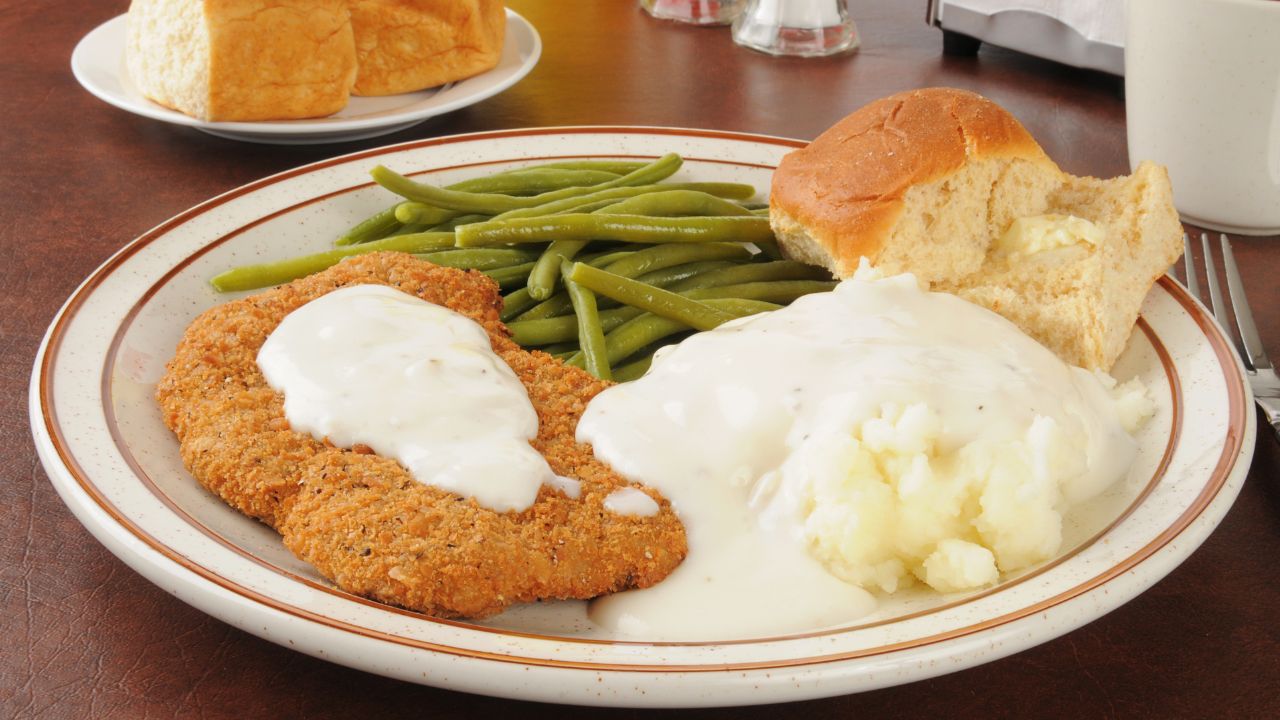
1. Chicken-Fried Steak
Chicken-fried steak lands on the table breaded, fried golden, and smothered in cream gravy next to a scoop of mashed potatoes.
The name promises fried chicken, and that’s not what shows up.
Round steak takes its place instead, breaded and pan-fried the same way a cook fries poultry.
That cooking method is where the confusing name comes from, not the meat underneath the crust.
The crust is the only thing the two dishes share.
The Legends Behind Chicken-Fried Steak’s Name
Chicken-fried steak’s name has more than one competing origin story, according to the Texas State Historical Association.
Some historians link it to Wiener schnitzel, the breaded veal cutlet German immigrants carried into Central Texas kitchens.
Pig Stand, a Dallas chain that opened in 1921, has long claimed credit for the chicken-fried steak sandwich.
A recipe for a similar batter-fried steak ran in the Los Angeles Times in 1924, years before any single account won out.
2. Chili
Chili carries a rule many outsiders break without knowing it.
No beans.
The Texas Legislature made chili the official state dish in 1977 with House Concurrent Resolution 18.
The text never defines the dish’s ingredients at all.
It simply proclaims chili the state dish, with no legal recipe attached.
Texans still call it a “bowl of red,” and the color comes from dried chile pods, not tomato sauce.
The beans-out rule comes from chili cook-off tradition instead, where judges score a bowl on its meat and its chile and disqualify anything padded with beans or fillers.
Add beans, and cook-off judges won’t call what’s left chili at all.
3. Queso
Chile con queso most likely started in Mexico, not Texas.
Food historians trace the dip’s roots to Mexican chile-and-cheese pairings, with the earliest printed recipe turning up in a San Francisco publication in 1896.
The version Texans know today is thick, chip-ready, and built on American cheese.
That version took shape starting in the early 1900s.
San Antonio restaurants and Gebhardt’s chili-powder company blended those Mexican chile-and-cheese pairings with the melted-cheese style of Swiss fondue and Welsh rarebit.
The Texas take kept evolving for decades after.
Sometime around midcentury, a recipe pairing canned Ro-Tel tomatoes with melted cheese began circulating in Texas kitchens.
The earliest one ran in the Pittsburgh Press in 1958, brought there by a home cook who’d just moved from Texas.
Modern versions built around white American cheese and green chiles show up on nearly every Tex-Mex menu in the state.
Queso today is a Texas spin on a dish that started somewhere else.
4. Fajitas
Fajitas trace back to Texas ranch country, but newcomers assume the word just describes a cooking style.
It didn’t start that way.
Fajita comes from the Spanish word for belt or strip.
The term originally named just one cut: The skirt steak South Texas ranch cooks grilled for cowboys and vaqueros in the 1930s.
Houston restaurateur Ninfa Laurenzo helped push the word into the mainstream in 1973, marketing her tacos al carbón as fajitas at her restaurant on Navigation Boulevard.
Chicken fajitas are common today, but the name has drifted a long way from that single cut of beef.
Restaurant demand eventually outran the skirt steak supply, and the word spread to chicken, shrimp, and nearly anything grilled and rolled into a tortilla.
5. Frito Pie
Frito Pie starts an argument the moment someone credits its invention to New Mexico instead of Texas.
Texas has an earlier paper trail, at least.
Frito-Lay’s company archives show its Dallas consumer-service department serving a Fritos-and-chili dish to the Dallas Dietetic Association in 1949.
That’s roughly a decade before Santa Fe’s Woolworth counter claim from the 1960s.
Traditional servings split a bag of Fritos open lengthwise and spoon chili and cheese straight inside it, no bowl required.
The debate still shows up on menus in both states.
Psst! How much do you know about Texas food beyond the dishes on this list? Take our myth-or-fact quiz and see how many you get right.
6. Kolaches and Klobasneks
Ask for a kolache at a Texas gas station, and there’s a decent chance what lands in your hand is stuffed with sausage.
That makes it a klobasnek, not a kolache at all.
A kolache is the round pastry with a sweet fruit or cheese filling exposed in the center.
Klobasneks are the fully wrapped versions, stuffed with sausage instead, first sold around 1953 at a bakery in West, Texas.
Czech immigrants settled that stretch of Central Texas, and bakers there still keep the two names straight even when gas-station signs don’t.
Apricot, prune, and poppy seed fillings are the traditional go-tos for an actual kolache, though cream cheese versions have become just as common.
7. Migas
Are Spanish migas and Tex-Mex migas the same dish?
Barely.
Spanish migas started as a shepherd’s dish in Castile, stale bread fried in lard to stretch a poor meal.
Tex-Mex migas swaps in crisp corn tortilla strips for that bread.
Where the tortilla version came from is murkier than either dish’s fans usually admit.
The earliest documented Texas reference is a 1922 recipe printed in San Antonio’s La Prensa, though it doesn’t match the eggy, broth-free plate Texans eat today.
The first mention that sounds like modern migas turned up in the Brownsville Herald in 1951, calling for eggs, onions, tomatoes, chile powder, and fried tortilla strips.
Most accounts still trace the dish generally to hard times in early-20th-century Mexico, even if the Tex-Mex version’s path to the plate isn’t so clear-cut.
Restaurants typically fold the eggs with pico de gallo, avocado, and a tortilla on the side.
Eggs and cheese show up in both versions, but bread on one side and tortillas on the other keep them from being the same dish.
8. King Ranch Chicken
Ranch representatives are quick to correct visitors who assume King Ranch Chicken came from King Ranch’s kitchens: It didn’t.
The casserole grew out of ordinary creamed-chicken recipes instead, documented in the Dallas Morning News as early as 1913.
South Texas cooks folded in Tex-Mex touches like corn tortillas, cheese, and green chiles over the following decades.
The dish had become a distinct recipe by the late 1970s.
An undated recipe card titled “King Ranch Casserole” turned up among Lady Bird Johnson’s papers at the Lyndon B. Johnson Presidential Library.
9. Texas Caviar
Cooks who hear “Texas Caviar” for the first time brace for fish eggs, and Helen Corbitt is the reason they’re wrong.
There’s no fish in it.
The dish came from Corbitt, who later became Neiman Marcus’s celebrated head chef, while she ran the University of Texas’s tea room in 1940.
She was asked to build a convention dinner using only Texas products, and she wasn’t a fan of black-eyed peas to start.
She came around to the pickled version.
Modern cooks often stir in corn, bell pepper, and cilantro, though the original recipe kept it simpler: Peas, garlic, and onion in a vinegar dressing.
Neiman Marcus eventually canned and sold the recipe in stores, turning a kitchen fix into one of Corbitt’s best-known creations.
9 Texas High School Football Traditions Outsiders Don’t Understand

Friday nights in West Texas turn a four-letter word into a wall of noise outsiders can’t place.
The traditions behind it go well beyond the scoreboard, starting with a homecoming mum that can outweigh the shoulder pads underneath it.
9 Texas High School Football Traditions Outsiders Don’t Understand
12 Things Only True Texans Say Without Thinking
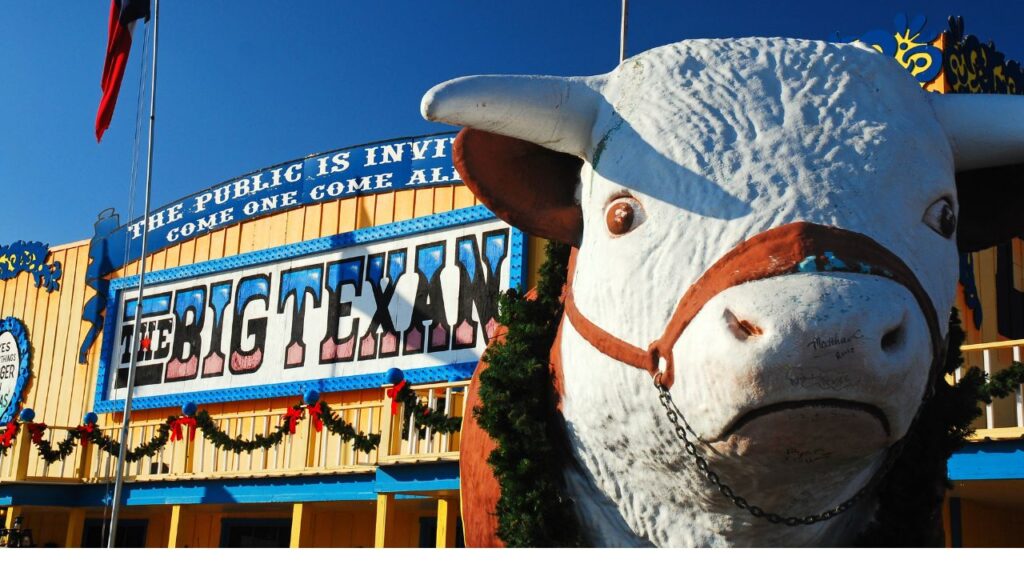
A handful of everyday words separate a lifelong Texan from someone who just moved in, and many Texans use them without noticing.
They slip out at the H-E-B checkout, the gas station counter, and the dinner table long before an accent ever gives anyone away.
