
9 Signs Someone Was Raised in Oregon, No Matter Where They Live Now

Oregon barred drivers from pumping their gas in 1951, and the ban held for 67 years.
Self-service didn’t reach the whole state until 2023.
A person raised in the Beaver State spent decades learning that some things work differently on purpose, and their habits outlasted their address.
These are the signs someone was raised in Oregon, no matter where they live now.
1. Marionberry Reflex
Marionberry pie is the only berry pie a person raised in Oregon fully trusts.
Oregon State University and the USDA bred the berry at the state’s agricultural experiment station in Marion County, where researcher George Waldo tested it before its release in 1956.
Order a slice of “berry pie” anywhere else, and the first question out of an Oregon-raised mouth is whether it’s Marion.
Usually, it isn’t.
A plain blackberry pie in another state feels like a downgrade nobody asked for.
2. Frozen at the Pump
Oregon banned drivers from pumping their gas in 1951, and the ban barely loosened for the next 67 years.
A 2018 law let drivers in Oregon counties with fewer than 40,000 people pump their gas at any hour.
Truck drivers fueling up with diesel and motorcyclists filling their tanks had already been exempt from the attendant rule for decades.
Portland, Salem, and Oregon’s other populous counties still required an attendant for five more years.
Self-service didn’t arrive until 2023.
Even then, House Bill 2426 didn’t hand drivers a right to the nozzle: It lets a station convert up to half its pumps to self-serve, entirely at the owner’s choice.
Many Oregon stations still staff every pump anyway, so a driver raised there can go months without ever grabbing the hose even today.
That’s why someone who grew up under the old rule still hesitates at a station in Idaho or Nevada.
They wait a beat too long, half expecting somebody else to reach for the hose.
3. Trusting the Price Tag
Oregon charges no sales tax, so the number on the shelf tag is the number that rings up at the register.
A person raised there does math in their head at checkout without ever budgeting for a percentage added on top.
Move to a state charging 7 or 8 percent, and the total at the register comes in higher than expected almost every time.
That’s not a rounding error.
It takes years to stop flinching at the receipt.
4. OBOB Instinct
Oregon Battle of the Books has run as a statewide reading competition since a committee launched it in 2006, and hundreds of schools now compete in it every year.
Third through twelfth graders memorize a shared reading list, then face off in teams answering rapid-fire trivia about the books.
Say “OBOB” to another adult who grew up in Oregon, and watch them light up over a book list from a decade ago.
Nobody else gets it.
5. Voting From the Table
Oregon has run every election entirely by mail since voters approved Measure 60 in 1998.
By 2000, Oregon became the first state to cast a presidential election completely by mail.
A ballot shows up in the mailbox, and a person fills it out at the kitchen table.
From there, it drops into a box at the library on the way to work.
It’s that simple.
Someone raised on that system moves to a state with polling places and doesn’t know where to stand, how the booth curtain works, or why there’s a line at all.
Psst! How much do you know about Oregon’s history and geography? Take our quiz and see how many you can get right.
Quiz
Oregon State IQ
Answer these questions on Oregon’s flag, geography, and founding. We bet you can’t get them all right. Prove us wrong?
What year did Oregon officially become the 33rd U.S. state?
6. Pronunciation Correction
Outsiders mangle Oregon's name often enough that a Seattle radio station built an entire history segment around it.
The segment interviewed an author about why the rest of the country can't say it right.
It's "OR-uh-gun," never "Ore-uh-GONE," even when the mistake comes from a national news anchor.
Somebody always gets it wrong.
A person raised in Oregon corrects baristas, weather anchors, and new coworkers on it for the rest of their life, in any state, on any coast.
7. Saving Every Can
Oregon passed the first bottle bill in the country in 1971, and the state now pays a dime back for every can or bottle turned in.
Growing up with that deal trains a person to rinse a soda can and set it aside instead of tossing it in the trash.
It doesn't stop.
Move to a state with no deposit, and the garage still fills up with rinsed cans anyway, even with nobody paying for them anymore.
Why Oregon's Bottle Deposit Doubled
Oregon's bottle deposit started at a nickel when the bottle bill passed in 1971.
State law automatically doubles the deposit to a dime whenever the statewide return rate drops below 80 percent for two years in a row.
That's exactly what happened, and Oregon's environmental regulators confirm the dime deposit took effect on January 1, 2018.
8. Free Beach Reflex
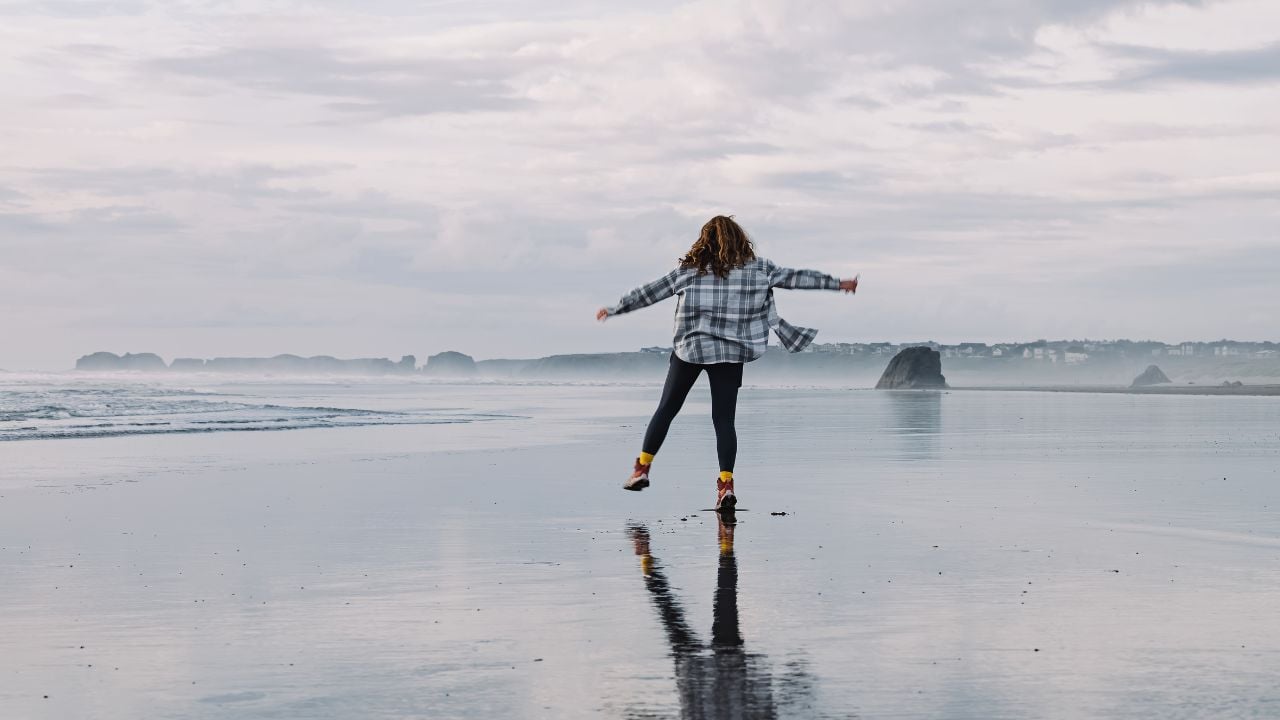
Oregon's coastline has stayed entirely open to the public since Gov. Tom McCall signed the 1967 Beach Bill, guaranteeing free access along every mile of sand.
No exceptions.
Many people raised on that coastline never budget for beach access because paying to reach the sand doesn't compute.
Then a trip to another coast turns up a locked gate, a private community, or a sign warning visitors off the sand entirely.
Paying to reach the sand still feels wrong.
9. Waiting on the Kicker
Oregon has run a tax law since 1979 that sends money back to taxpayers.
The rule kicks in whenever the state collects more than 2 percent above what economists forecast for the two-year budget cycle.
Voters locked the rule into the state constitution in 2000, so lawmakers can't spend their way around it.
It's not a rebate.
Someone raised in Oregon grows up expecting a credit on the state return some years, showing up as a straight percentage of what they already owed.
Describe that to a friend from almost any other state, and the response is a blank stare because that state just keeps the extra money.
The Kicker Check's Changing Size
Oregon's kicker credit changes size every two years, tied entirely to how far off the state's revenue forecast turned out to be.
A bigger miscalculation just means a bigger credit waiting on the other end.
9 Oregon Foraging Rules That Could Turn a Free Meal Into a Fine
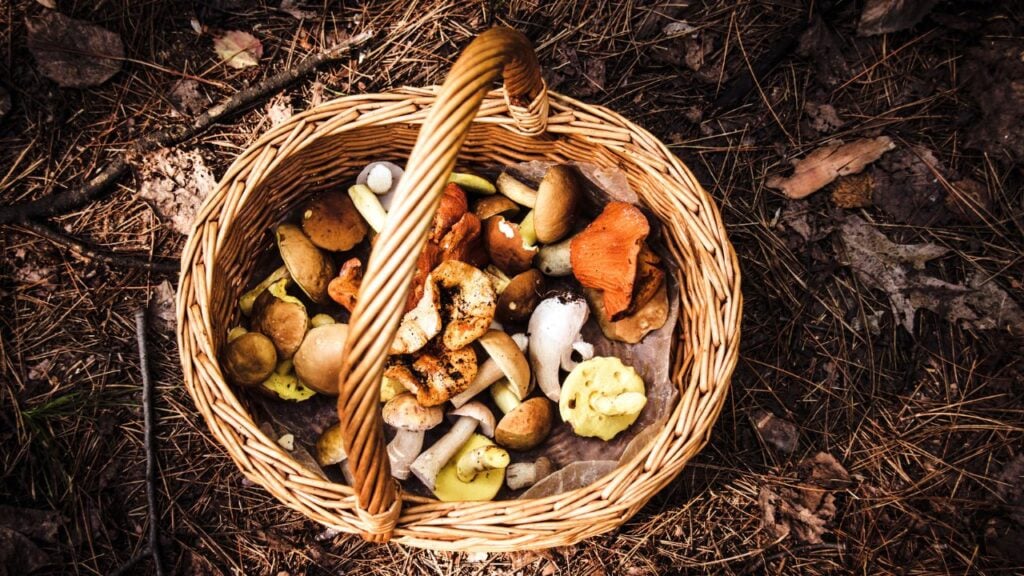
Oregon State Parks hands a forager an exact number: Five gallons of wild berries, fruit, or mushrooms a day, no more, before a free hillside snack turns into a citation.
The limit sounds generous until a bucket of chanterelles fills up faster than expected on a good fall weekend.
9 Oregon Foraging Rules That Could Turn a Free Meal Into a Fine
8 WinCo Foods Quirks That Confuse New Oregon Residents
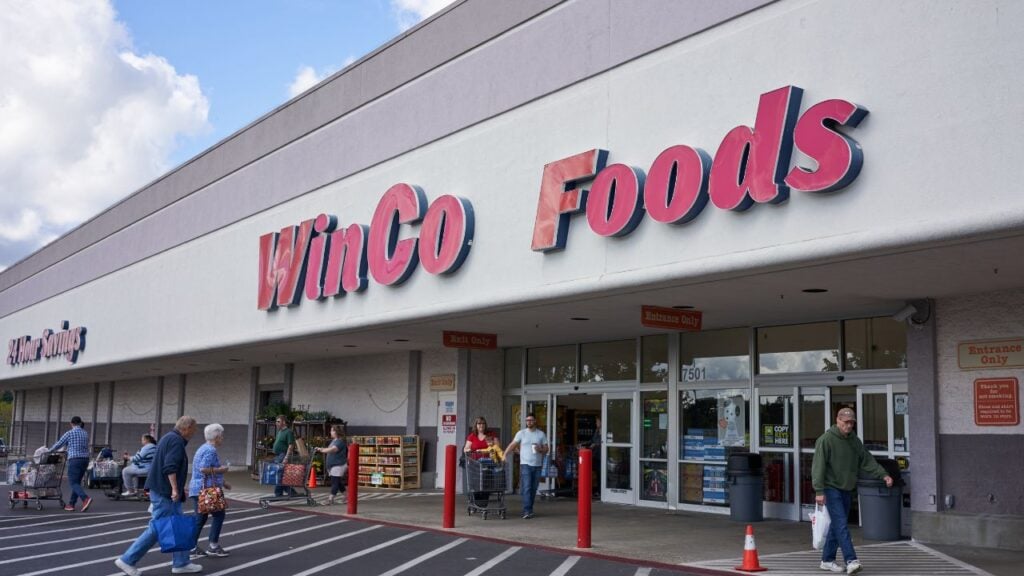
A new Oregon transplant pulls into a WinCo parking lot in Hillsboro, and the building looks like a warehouse nobody bothered to dress up.
Inside, the surprises keep coming, starting with a bagger who expects a tip and a checkout lane that expects cash.
