
12 Everyday Products Helping Older Minnesotans Hold On to Their Independence

Minnesota’s health department ranks the state second in the nation for deaths from falls among adults 65 and older, behind only Wisconsin.
Ice explains part, but not all, of it.
The fixes that can help move that number down are small, cheap, and sitting on a shelf at any hardware store.
These are the everyday products helping older Minnesotans hold on to their independence.
Note: This is general information, not medical or insurance advice. Product features, prices, coverage rules, and availability are subject to change.
1. Medical Alert Devices
Medical Guardian’s base medical alert plan starts at $36.95 a month, according to the National Council on Aging’s comparison table, plus $10 more for automatic fall detection.
A medical alert device like this is a wearable button or pendant that calls for help the instant an older Minnesotan can’t reach a phone.
Fall detection triggers the call automatically, even if the wearer can’t press anything.
That changes the math.
Monthly plans with fall detection generally run $20 to $50, according to a National Council on Aging review of the market.
A daughter in Duluth doesn’t have to wonder whether her mother is on the kitchen floor.
An alert reaches her phone instead.
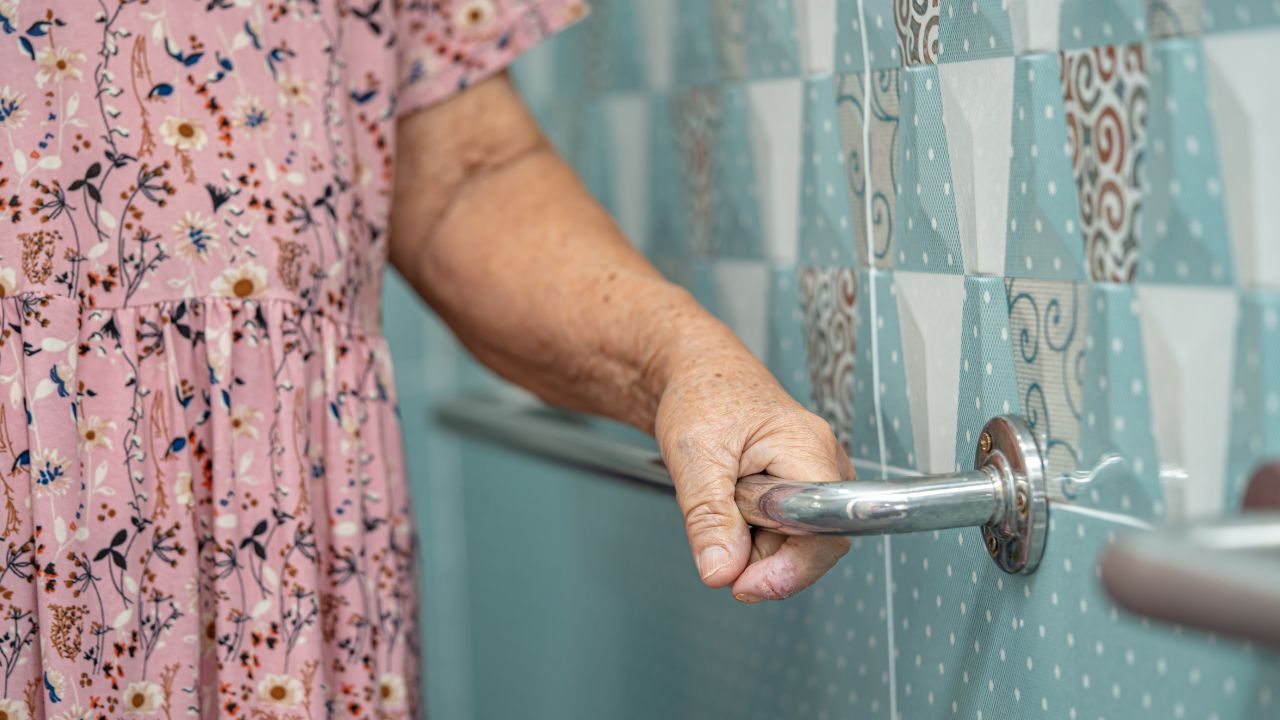
2. Grab Bars
Grab bars, according to the National Institute on Aging, belong near the toilet and on the inside and outside of the tub or shower.
They turn a wet, slippery bathroom into a room with something solid to hold onto.
One bar outside the tub still leaves the wet step in unprotected.
Moen’s Home Care line sells a 12-inch stainless steel bar for about $15 at Home Depot; safe installation means anchoring into a wall stud, not just drywall.
No contractor required.
A cabin bathroom up north gets the same fix as a rambler in the Twin Cities.
3. Automatic Pill Dispensers
Can an automatic pill dispenser keep a missed dose from turning into a bigger problem?
Hero’s version holds up to a 90-day supply of ten different medications, locking up everything except the dose that’s due, and opens with one button press when the alarm sounds.
Miss a dose, and a caregiver’s phone gets a note about it.
That’s the whole point.
The subscription runs $29.99 to $59.99 a month depending on the plan, and Hero backs it with a 30-day trial.
A son in Rochester doesn’t have to call every morning just to ask whether Mom took her blood pressure pill.
4. Ice Traction Cleats
A sheet of black ice on the front steps doesn’t stand a chance against a pair of ice traction cleats.
YakTrax’s Walk model uses steel coils for 360 degrees of grip and costs about $22, sold directly from the company’s site.
They stretch on in seconds.
Minnesota winters turn sidewalks and driveways into skating rinks for weeks at a stretch.
A fall on ice is exactly the kind that ends in a hip fracture instead of a bruise.
A pair by the door means nobody skips the mail or the car just because the steps look slick.
5. Raised Toilet Seats
A raised toilet seat adds height, and usually a pair of armrests, so someone with knee or hip pain can sit down and stand back up without help.
Target sells an adjustable version that raises the seat 18 to 22 inches for about $75, with legs that lock in at whatever height fits.
It clips on fast.
It fits onto almost any standard bowl in a few minutes, and it comes off just as fast if a guest needs the regular seat back.
6. Video Doorbells
On a Minnesota morning that hasn’t cracked zero yet, a video doorbell means nobody has to open the storm door just to see who’s outside.
Ring’s entry-level battery model runs as low as $70 and sends a phone alert the moment someone steps up, with two-way talk built in.
You see them first.
A package doesn’t sit on the stoop long enough for a porch pirate to notice, and nobody has to rush down icy steps just to answer a knock.
Psst! Ready to see how many of these home-safety basics are already covered? Tap through the list and find out.
7. Rollator Walkers
Rollator walker prices swing widely, from about $75 on sale to $200 or more at list price, depending on the retailer and the model.
It’s a four-wheeled frame with hand brakes and a padded seat, built so someone can walk, rest, or carry groceries without leaning on a family member’s arm.
The seat matters most.
A built-in seat means someone can rest halfway through a grocery run instead of turning back early, and a zippered pouch underneath carries what a purse can’t.
Many rollators fold flat for the trunk of a car and hold up to 300 pounds.
Medicare Often Covers Part of a Rollator for Older Minnesotans
Medicare Part B classifies a rollator as durable medical equipment, not a comfort purchase.
A doctor has to prescribe it and confirm it’s medically necessary for use at home.
From there, Medicare pays 80% of the Medicare-approved amount after the Part B deductible, as long as the supplier accepts Medicare assignment.
Once the Part B deductible is met for the year, that 80% coverage can turn a $200 rollator into a $40 out-of-pocket purchase.
8. Non-Slip Bath Mats
Non-slip bath mats cover the slickest few square feet in the house, the tub floor.
A textured, suction-cupped surface grips wet skin instead of sliding out from under it.
The National Institute on Aging lists a mat like this right alongside grab bars as a top bathroom fix.
One mat, no second thought.
A textured mat with suction-cup backing runs about $39 at Home Depot, with drain holes so it doesn’t turn into a puddle underneath.
9. Heated Walkway Mats
HeatTrak’s 20-by-60-inch heated walkway mat runs around $287, plus a separate $40 power cord.
It melts about 2 inches of snow an hour.
It plugs into a regular outdoor outlet.
Nobody waits on a shovel or a plow to clear it first.
No salt required.
HeatTrak builds the mat to sit outside all winter, so a Minnesota entryway stays clear on the exact kind of morning that used to mean staying inside.
10. Grabber Tools
A can on the top shelf doesn’t mean fetching the step stool once a grabber tool is within reach.
Carex’s version, sometimes called a reacher, adds magnetic tips for picking up anything metal and costs about $22 at Walmart.
It extends an arm’s reach by roughly 32 inches.
Nobody has to climb.
It folds down small enough to hang by the back door or ride along in a walker’s basket.
11. Amplified Big-Button Phones
VTech’s CareLine model adds a 90-decibel ringer to an amplified big-button phone, along with oversized number keys and photo speed-dial buttons that reach one chosen contact with a single press.
It boosts incoming call volume well past a regular phone’s ceiling and swaps tiny buttons for buttons a person can see and press without squinting.
One press does it.
It starts around $68, and pricier bundles add a wearable panic-button pendant for hands-free emergency calls.
12. Stairlifts
A stairlift for a straight staircase runs $2,000 to $9,000 installed, according to Angi’s 2026 pricing data.
It’s a motorized chair that rides a rail bolted to the staircase, carrying someone up and down without them touching a single step.
That’s what keeps a two-story Minneapolis or St. Paul bungalow livable once climbing the stairs stops being safe.
A curved stairlift, custom-built to match a bending staircase, runs $10,350 to $25,000.
The stairs stop being scary.
It mounts to the stair tread, not the wall, so installing it doesn’t require tearing into the staircase.
Why Minnesota Ranks High for Fall Deaths
Minnesota’s Department of Health puts the state second-highest in the nation for deaths from falls among adults 65 and older, trailing only Wisconsin.
The same department attributes about 1,350 deaths among older Minnesotans to falls in 2023.
In 2024 alone, the state logged about 12,000 fall-related hospitalizations and 30,000 emergency-room visits among people 65 and older.
Winter takes some of the blame, but it isn’t the whole story.
A Star Tribune review of a similar analysis using Centers for Disease Control and Prevention data found Colorado, Oklahoma, and Vermont in the top ten too.
Not all of them get ice.
Homes matter too.
National Falls Prevention Awareness Week starts Monday, September 21, the day before the first day of fall.
Minnesota Aging Pathways, the state’s rebranded Senior LinkAge Line, is a free service from the Minnesota Board on Aging that connects residents with local programs, grants, and installers.
The number to call is (800) 333-2433, and a specialist there can build a free aging-in-place plan that lines up local grants, loan programs, and installers by name.
9 Reasons People Are Leaving Minnesota in 2026
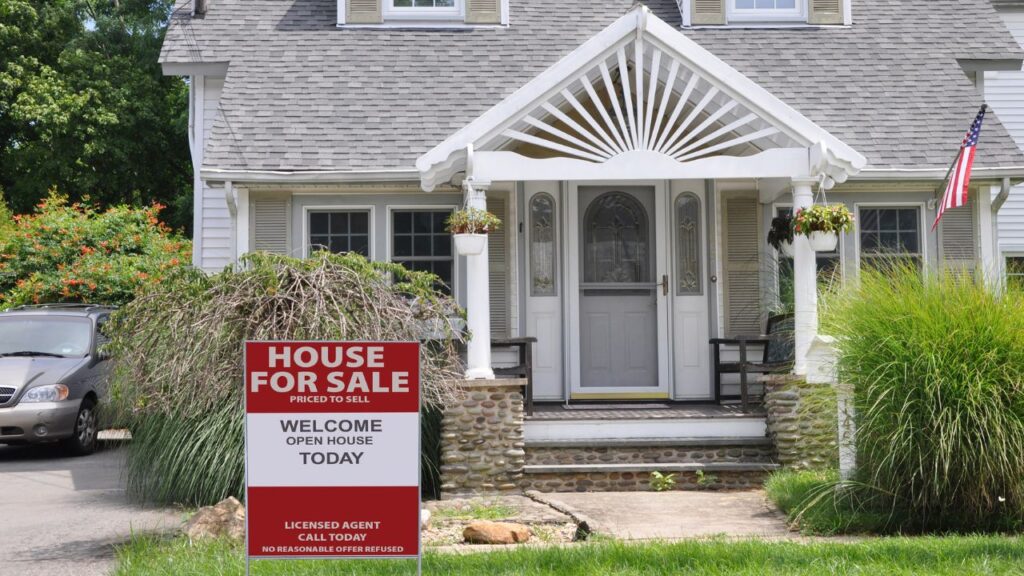
Minnesota has lost a net 47,865 residents to other states since 2019, a bigger drop than 33 other states saw over the same stretch.
The reasons Minnesotans give for leaving cover everything from taxes to the winters themselves.
9 Reasons People Are Leaving Minnesota in 2026
15 Questionable Cafeteria Meals Older Minnesotans Still Joke About Today

Minnesota’s school cafeterias used to serve meals that were hot, fast, and, more often than not, forgettable.
Once in a while, something landed on the tray that older Minnesotans still bring up decades later.
15 Questionable Cafeteria Meals Older Minnesotans Still Joke About Today
