
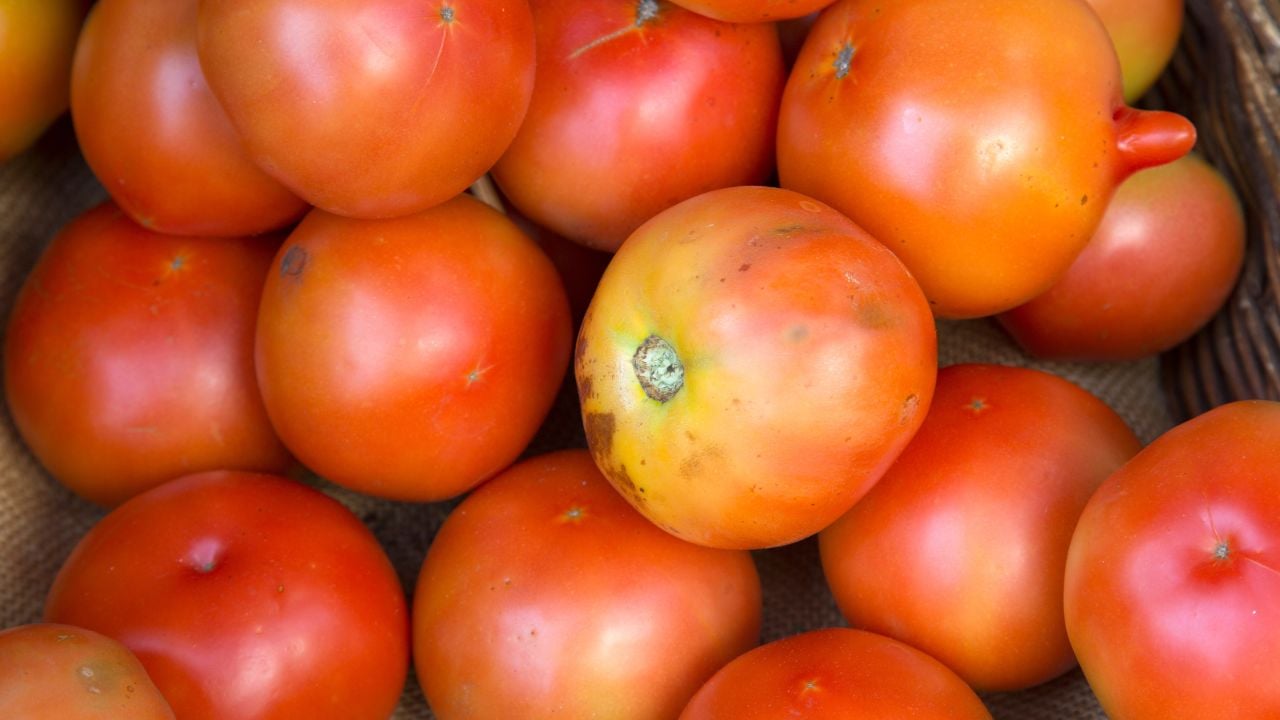
7 Roadside Stand Habits That Give Away a Native Alabamian

Alabama’s peanut farmers harvest their crops in September and October.
Hand-painted P-Nuts signs go up against fence posts during those same months.
Locals know which ones to stop at and what to ask for.
These are the roadside stand habits that give away a native Alabamian and leave visitors fumbling.
1. Trusting the Honor Box
Alabamians pull up to an empty roadside stand and don’t think twice about the wooden box screwed to the counter.
Many Chilton County peach stands leave a box like that out once the family running the stand has gone home for the night.
A customer who arrives late can still buy peaches.
South Alabama produce trucks run on the same trust.
A Mobile Bay Magazine writer has called one Baldwin County satsuma stand possibly the biggest honor-system operation in the state.
There’s no clerk, no register, just a slot for cash.
Nobody worries about theft.
A first-time visitor usually pauses at the box, checks the price sheet twice, and looks around for someone to hand the money to.
An Alabamian drops the cash in the slot without breaking stride and keeps driving.
2. Detouring Through Chilton County
Alabama drivers get off the interstate for Chilton County even when the straight route home is faster.
The county grows more than 80 percent of Alabama’s peach crop.
The stands along its two main highways prove it mile after mile.
Peach Park has sold fruit and homemade peach ice cream along the highway in Clanton since Gene and Frances Gray opened it as a small stand in 1984.
Durbin Farms has sold Chilton County peaches from the same spot since 1950.
Peaches in the county run from around Mother’s Day into late July or August in a good year.
Alabamians plan a summer drive around that window.
That detour is the point.
Someone just passing through stops for gas.
An Alabamian stops for a basket of peaches instead.
3. Buying Peanuts Green to Boil at Home
Alabama’s peanut harvest runs in September and October, according to the Alabama Farmers Federation’s guidance for growers timing their fields.
The Wiregrass region in the state’s southeast corner grows the bulk of that crop, which is why the boiled-peanut stands cluster there first.
Someone visiting from another state usually assumes a bin of green peanuts is unripe, or asks the stand where the roasted bags are.
Alabamians know exactly what to do with green peanuts instead: Buy them raw, boil the whole batch in salted water, and eat it that same day.
That timing matters.
Wait until the following weekend, and the batch is already past its best.
What “Green” Peanuts Means
A green peanut grown in Alabama has nothing to do with its color.
The word describes a peanut fresh out of the ground that still carries much of its natural moisture, unlike the dried peanuts sold in stores.
That moisture is why the peanuts turn tender in a couple of hours instead of staying hard like a roasted peanut.
It’s also why a stand sells out fast, since a green peanut left too long in a hot truck bed starts to spoil instead of cook.
4. Racing the Muscadine Clock
Muscadines don’t last long once they show up at an Alabama roadside stand.
Much of the crop ripens from late August into September, with a handful of early and late varieties stretching the window on either end.
Alabama Extension notes the fruit holds its peak quality for only two to three weeks when it’s kept refrigerated after picking.
Scuppernongs, the bronze-colored cousin of the purple muscadine, show up at the same stands during those same few weeks.
That window closes fast.
A visitor who sets a box of muscadines on the back seat and forgets about it for a few days comes home to fruit that’s already lost its snap.
Alabamians grab a bag the day the box appears and eat their way through it within days.
5. Reading the “Satsumas Now” Sign
Some roadside satsuma trucks around Fairhope, in Baldwin County, post a hand-lettered “Satsumas Now!” sign the moment that year’s crop is ready.
Baldwin and Mobile counties have grown the cold-hardy citrus since the late 1800s.
The trees still bear fruit there every fall.
Frost rarely stops them.
Satsuma trees survive a hint of frost that would kill many other citrus varieties, which is exactly why the fruit can grow this far from Florida at all.
When that sign goes up on a farm truck, longtime residents know fall has started, no matter what the calendar says.
Tourists usually drive right past it.
6. Stopping at Pecan Stands in the Off-Season
Alabamians pull over for a pecan stand on an ordinary February day, months after the last peach or muscadine box has disappeared from the roadside.
Priester’s Pecans, the Fort Deposit retailer that’s sold pecans since 1935, stays open seven days a week, 8 a.m. to 6 p.m., nearly year-round.
Other pecan stands across the state follow a similar pattern, picking up business each fall when the new crop comes in and coasting on it well into spring.
It’s open anyway.
A tourist who passes one of these stands in the dead of winter usually assumes a produce stand only opens for harvest season and keeps driving.
A native pulls in anyway, knowing the shelves are still stocked with last fall’s crop.
The good pecan stands sell honey-roasted, chocolate-covered, and praline pecans right alongside the plain bags.
A fruit stand disappears the moment its crop runs out.
A pecan stand keeps selling last season’s crop until the new one comes in.
7. Buying a Watermelon off the Truck Bed
Alabamians will buy a watermelon straight out of a parked truck bed before they’ll grab one off a grocery store pallet.
Trucks have sold watermelons this way on Alabama roadsides for generations, long before farms like Ballard Creek Farms in Butler County turned it into a regular business.
A local thumps two or three melons before choosing the ripest-sounding melon.
Sweetness is the whole test.
Grocery store watermelons rarely get the same test.
Then it goes straight into the trunk.
Psst! How much do you know about Alabama’s produce history? Take our quiz and see how many you can get right.
Quiz
Alabama Farm Field IQ
Answer these questions on Alabama’s peanuts, pecans, and citrus history. We bet you can’t get them all right. Prove us wrong?
Alabama named this crop’s tree its official state nut back in 1982. Which one?
The Sweet Grown Alabama Sticker
Alabama's roadside stands increasingly carry a small sticker from a marketing group called Sweet Grown Alabama.
The label tells a shopper the produce came from a farm inside the state, rather than a shipment trucked in from somewhere else.
Not every stand qualifies.
The group also keeps a harvest calendar online, so a shopper can check which crop is running before they load up the car.
A stand can carry that sticker and still run entirely on an honor box, with no owner in sight.
A farm pays Sweet Grown Alabama $100 a year to keep that logo on its signs, packaging, and stand.
The group requires every member's produce to meet the same U.S. #1 grade standard the U.S. Department of Agriculture sets, whether it's sold off a truck bed or a grocery shelf.
A stand that lets a batch slip below that grade risks losing the right to display the logo at all.
8 Things Alabama Shoppers Order Wrong at the Piggly Wiggly Meat Counter
Alabama is home to more than 100 Piggly Wiggly stores, stretching from the Gulf Coast up past the Tennessee line.
Every one of those stores answers to a different owner, so the order that works at one meat counter can fall apart completely at the next.
8 Things Alabama Shoppers Order Wrong at the Piggly Wiggly Meat Counter
8 Road Trip Mistakes Alabama Drivers Still Make Every Summer

Drivers taking the same road trip year after year fall into a familiar handful of habits every summer.
Here's how those habits end up costing them time, money, or both before they ever reach the coast.
8 Road Trip Mistakes Alabama Drivers Still Make Every Summer
