
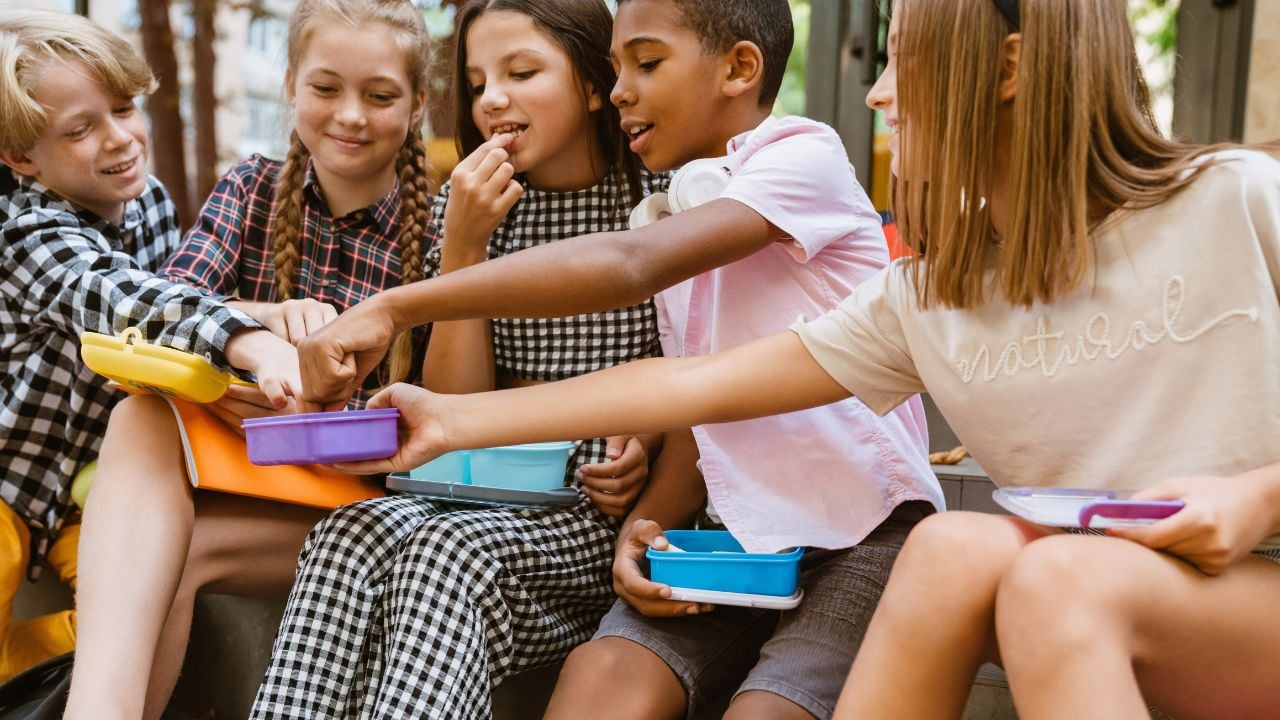
12 Lunchbox Staples That Vanished From Pennsylvania Kids’ Lunches

Pennsylvania employs more confectionery workers than any other state, according to its Department of Community and Economic Development.
But making the candy never saved it.
The things that traditionally filled a Pennsylvania lunchbox are gone now, most of them for reasons duller than anyone remembers.
These are the lunchbox staples that vanished from Pennsylvania kids’ lunches.
1. Charles Chips
Charles Chips started in a Lancaster County farmhouse kitchen in 1942, when Simon and Effie Musser began frying potato chips and driving them straight to their neighbors’ doors.
The business grew that door-to-door habit into a full operation, delivering tins of chips and pretzels to homes and offices across Pennsylvania in brown-and-yellow metal cans.
The chips came by the tin, not in single-serve bags.
Many Pennsylvania parents scooped a handful into a sandwich bag some mornings.
That bag went straight into a kid’s lunchbox.
Fuel costs rose through the 1970s, and the home delivery route got too expensive to keep running.
Charles Chips leaned harder on grocery shelves and convenience stores instead.
The retail version never built the same following in Pennsylvania kitchens.
A group of Philadelphia investors bought the company from the Mussers in 1991, and it went bankrupt within 18 months.
A second buyer failed the same way.
Two owners, two failures.
By the mid-1990s, the tin routine that once put chips straight into countless Pennsylvania lunchboxes had all but disappeared from the state.
Pennsylvania ranks first in the country for confectionery jobs, per the state’s Department of Community and Economic Development.
Charles Chips grew up inside that same snack economy, and the home-delivery tin that once filled Pennsylvania lunchboxes was part of it.
The company still sells chips today under the Charles Chips name, but the daily tin and the delivery route that carried it into Pennsylvania kitchens never came back.
2. Isaly’s Chipped Ham
Isaly’s built its business on paper-thin shaved lunch meat piled onto a roll with barbecue sauce, a sandwich Pittsburgh still calls chipped ham.
The dairy-and-deli chain grew to over 700 stores and dairy plants across western Pennsylvania, Ohio and West Virginia at its peak.
It sold that ham alongside tall ice cream cones called Skyscrapers and Klondike bars.
It wasn’t a bad start for a chain built on a chipped ham sandwich.
Isaly’s dairies started closing in the mid-1960s, unable to keep pace once bigger, more corporate chains moved in on both the wholesale and retail sides.
The closures didn’t stop there.
Many standalone Isaly’s stores shut down over the decades that followed.
The chain that once packed chipped ham sandwiches into Pittsburgh lunchboxes by the hundreds of locations dwindled to a handful.
Pittsburgh kids who once carried a chipped ham sandwich in their lunch as a matter of routine now have to go looking for it.
A few legacy delis still slice Isaly’s-style chipped ham the old way, and a 2025 revival even brought the Isaly’s name back to Pittsburgh’s Strip District.
None of that changes what disappeared: The everyday chain that once made a chipped ham lunchbox sandwich an ordinary Tuesday, not a destination trip.
3. Jell-O Pudding Pops
Jell-O Pudding Pops turned an ordinary pudding cup into a frozen treat on a stick.
A pop packed straight from the freezer in the morning had usually thawed into a cold, spoonable pudding by the time a Pennsylvania kid opened a lunchbox at noon.
Sales took off fast.
General Foods reportedly sold around $300 million worth of the frozen pops a year within five years of launching them.
The company never found a way to turn a profit once freezer storage and distribution costs were factored in.
Keeping a frozen product cold from factory to freezer case cost more than the pops brought in.
Pudding Pops disappeared from grocery freezers by the 1990s, and Jell-O never brought the frozen version back to shelves nationwide.
4. Nestlé’s Magic Ball
Nestlé’s Magic Ball packed a small toy inside a hollow chocolate shell.
A parent could drop one into a lunchbox as an easy treat.
The Disney or cartoon figurine that fell out became the trading piece kids compared at the lunch table before anyone touched the chocolate.
Fourteen state attorneys general argued the toy inside created a choking hazard for young children.
Nestlé voluntarily withdrew the candy from stores in 1997 rather than fight it out in court.
The Consumer Product Safety Commission tested the toys itself and reached a different conclusion.
That testing found the figurines didn’t violate federal small-parts rules or pose a choking hazard.
Nestlé relaunched a version called Wonder Ball in 2000 with candy in place of the toy, then sold the brand off a few years later.
The original toy-inside version never came back to a Pennsylvania lunchbox.
The Law Behind Nestlé’s Magic Ball Decision
Nestlé’s Magic Ball, the treat Pennsylvania kids once packed in a lunchbox, ran into a law that dates back to 1938, when Congress passed the Food, Drug, and Cosmetic Act.
Under that law, any candy with a non-food object embedded inside it counts as illegally adulterated food.
The one exception is a non-food object that plays a working part in the candy, the way a lollipop stick holds the candy in place.
That same law is why Kinder Surprise eggs are still illegal to sell in the United States today.
Kinder eggs are the hollow chocolate shells sold with a toy inside everywhere else in the world.
5. Screaming Yellow Zonkers
Screaming Yellow Zonkers packed sugar-glazed popcorn into a bold black box that stood out on any pantry shelf.
The popcorn was dry and shelf-stable, nothing like a treat that could melt or turn soggy.
That made it an easy afternoon snack to drop into a Pennsylvania kid’s lunchbox.
Its cartoonish font looked like nothing else in the aisle.
Lincoln Snacks had been making Zonkers since 1969.
It had run for nearly forty years, and it disappeared overnight.
ConAgra acquired Lincoln Snacks in 2007 and discontinued Zonkers as part of the deal.
The shelves emptied fast.
ConAgra has occasionally run a limited, Walgreens-exclusive batch of Zonkers since then.
The snack never returned as the everyday item that once sat on Pennsylvania grocery shelves, ready for a parent to pack into a lunchbox without a second thought.
6. Space Food Sticks
Space Food Sticks rode straight off the Apollo 11 moon landing, and kids everywhere packed the peanut butter and chocolate-flavored sticks through the 1970s.
Pillsbury built the snack for astronauts, and the sticks flew alongside Neil Armstrong and Buzz Aldrin on the Apollo 11 mission.
The astronaut angle sold them.
Interest faded once the space race cooled off, and Pillsbury pulled Space Food Sticks from grocery shelves sometime during the 1980s.
7. Hi-C Ecto Cooler
Hi-C Ecto Cooler colored its citrus drink bright green and put a Ghostbusters cartoon on the carton, and it became a fixture in many lunchboxes packed for school.
Minute Maid discontinued Ecto Cooler in 2001 once the cartoon tie-in had run its course.
The shelves went bare.
Coca-Cola has brought Ecto Cooler back for short, limited runs a few times since, each one timed to a new Ghostbusters movie, not a permanent comeback.
Pennsylvania lunchboxes haven’t carried it as a routine, year-round drink since 2001, and a few weeks on shelves every several years hasn’t changed that.
8. Squeezit
Squeezit came in a squeezable plastic bottle shaped like a tiny keg, and General Mills built the drink around cartoon mascots with names like Grumpy Grape and Chucklin’ Cherry.
General Mills redesigned the bottles smaller in 1992 so they would fit standard lunchboxes.
It worked for a while.
General Mills discontinued Squeezit in 2001 and brought it back twice for short stretches.
The drink had already disappeared from shelves again by around 2012, and General Mills confirmed in 2013 that it wouldn’t return.
9. Marathon Bar
Marathon Bar stretched eight inches long, a braided rope of caramel wrapped in chocolate with a ruler printed right on the wrapper so kids could check the length themselves.
An 8-inch candy bar barely fit inside a standard metal lunchbox.
A kid who got one for dessert would pull it out at the lunch table and measure it against the printed ruler, to prove the length was no exaggeration.
Mars introduced the bar in 1973 with a cowboy mascot named Marathon John and the slogan “Lasts a good long time.”
The gimmick worked, briefly.
Eight inches proved unpopular with store shelving more than it did with kids.
Mars discontinued the Marathon Bar by the early 1980s, and it never returned to American shelves, though Cadbury’s Curly Wurly bar remains a close cousin overseas.
10. PB Max
PB Max stacked creamy peanut butter and crunchy cookie pieces on a whole grain cookie base, coated in milk chocolate.
It was a full candy bar rather than a bite-sized piece.
A PB Max tucked into a lunchbox next to a sandwich was often the treat a kid saved for last.
Mars introduced the bar in 1989, and it built a loyal following fast.
Sales reportedly reached around $50 million a year.
Mars pulled it anyway.
PB Max was discontinued in the mid-1990s, and the company has never fully explained why.
It never went back into production.
11. Bonkers Candy
Bonkers candy came in tangy, fruit-filled chewable squares, small enough that a parent could toss two or three into a lunchbox without thinking twice.
Its television commercials made the pitch plain: One bite, and a giant piece of fruit would fall from above and knock the actor silly.
Those commercials were a big part of why kids asked for it in the first place.
The ads stopped cold.
Sales dropped fast, and Nabisco discontinued Bonkers sometime during the 1990s.
Psst! How much do you know about Pennsylvania’s food history? Take our quiz and see how many you can get right.
Quiz
Pennsylvania Snack History IQ
Answer nine questions on Pennsylvania’s food history and snack roots. We bet you can’t get them all right. Prove us wrong?
Which Pennsylvania county carries the nickname “Snack Food Capital of the World”?
12. Kudos Granola Bars
Kudos granola bars wrapped a milk chocolate coating around a chewy granola bar.
Flavors like nutty fudge and chocolate chip tasted more like a candy bar than a health food aisle usually allows.
Mars launched Kudos in 1986, and the bars built a following fast among kids who wanted their granola to taste like dessert.
Consumer tastes shifted toward whole grains and less sugar.
Granola got serious.
Bars like Clif and Kind pulled the granola aisle in that direction, and Kudos never adjusted to fit in.
Mars told a customer on social media in 2017 that Kudos had been discontinued for good.
No Pennsylvania grocery shelf has carried a chocolate-coated Kudos bar since.
5 Wegmans Deals Pennsylvania Shoppers Build Their Whole Week Around
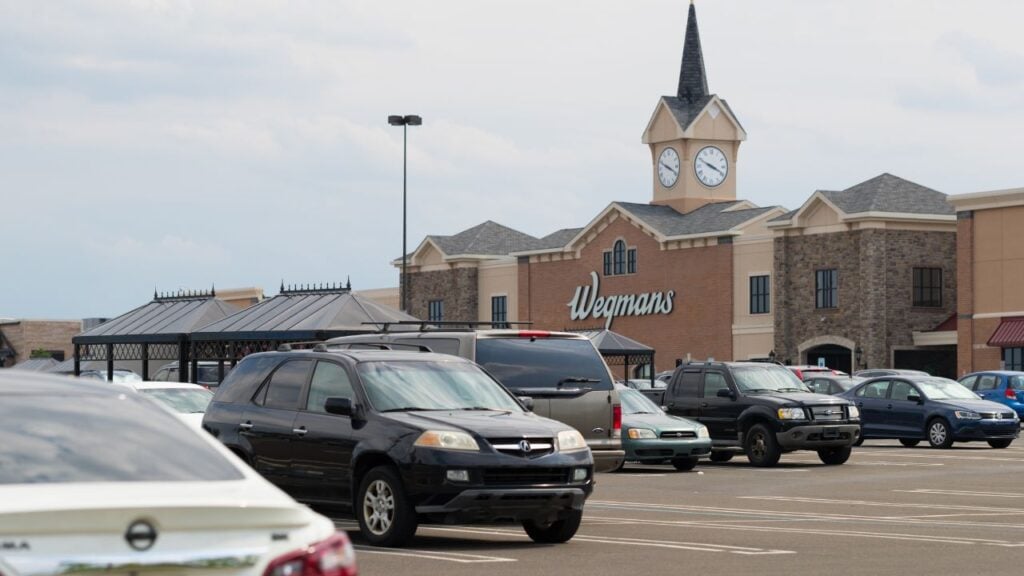
Wegmans broke ground this August on its first Pittsburgh-area store, more than three decades after its first Pennsylvania location opened in Erie.
Longtime regulars already know which deals make a Wegmans trip worth planning a whole week around.
5 Wegmans Deals Pennsylvania Shoppers Build Their Whole Week Around
8 Pennsylvania Estate Sale Rules Families Learn the Hard Way
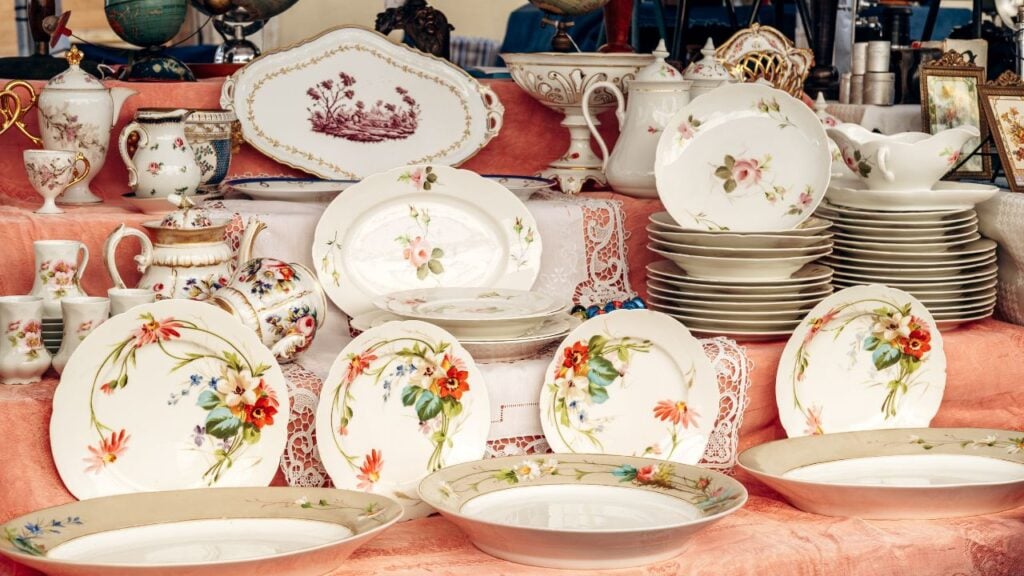
A Philadelphia man once paid $4 for an old painting at a flea market in Adamstown because he liked the frame.
A copy of the Declaration of Independence was folded behind the canvas, and it later sold for millions.
8 Pennsylvania Estate Sale Rules Families Learn the Hard Way
