
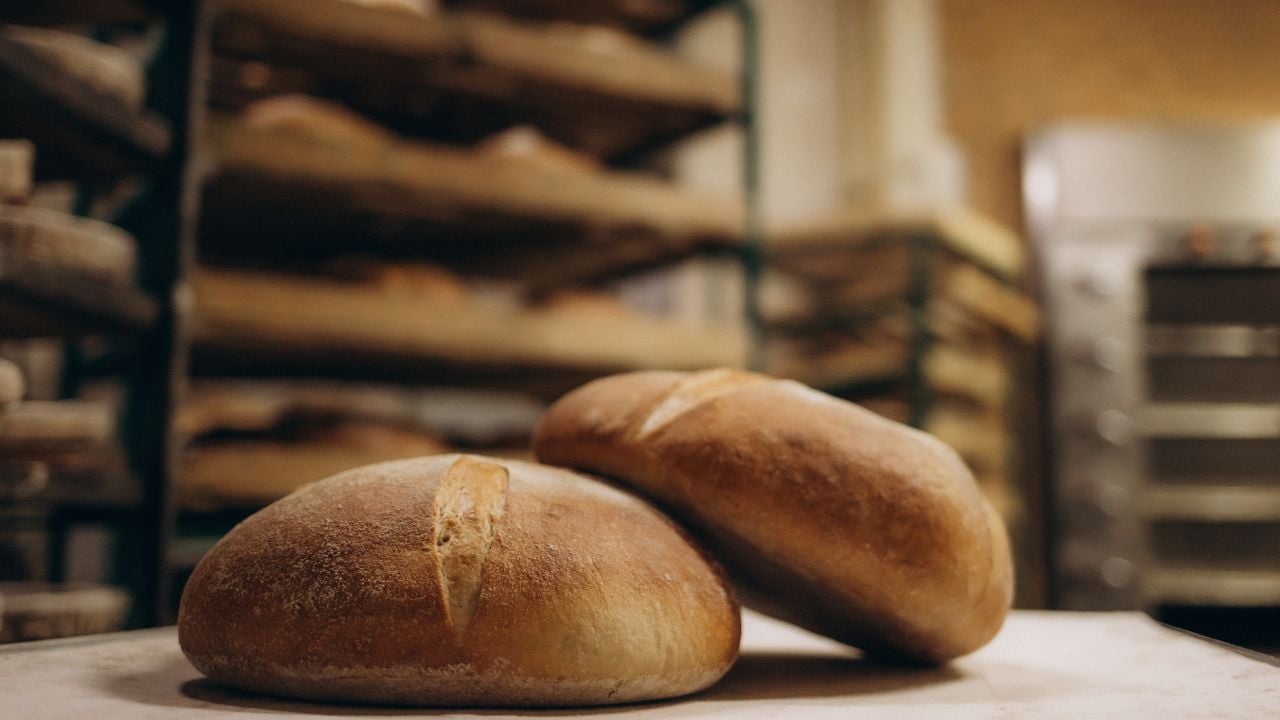
4 Publix Freshly Baked Bread Rules South Carolinians Get Wrong

South Carolina got its first Publix in 1993, thirty-six years after the chain started baking its bread from scratch.
All 74 stores in the state bake the same way now.
That part is settled. What a shopper can ask the bakery for, and when, is where it stops being obvious.
These are the Publix freshly baked bread rules many South Carolinians get wrong.
1. One BOGO Loaf
Publix often runs a BOGO tag on fresh bread.
Publix’s FAQ says the discount doesn’t work the same way in every state.
Some states let a shopper buy one of the two items at half price. Others require both in the cart.
Florida is a buy-both state.
South Carolina isn’t.
A single loaf on that tag rings up at half price on its own here, with no second loaf required.
The tag reads the same in both states, which is why the rule trips people up.
A South Carolinian who grabs two loaves out of habit is walking out with extra bread they may not want.
2. A Day’s Notice for Special Loaves
Publix’s bakery lists more than a dozen scratch-made breads, and no South Carolina case holds all of them on a given day.
Sunflower bread is one of the loaves shoppers ask about, and it isn’t in daily rotation at many stores.
Food writers who have asked at a Publix bakery counter report that the bakers will make one on request, and that it takes at least a day.
Publix doesn’t publish a policy for special bread orders, so the answer comes down to the store and its bakery manager.
Ask first.
A day ahead at the bakery counter beats walking in and hoping.
What Publix Puts in Writing
Publix’s published order-ahead rules cover cakes, pies, and platters, not bread.
A bakery platter goes in 24 hours ahead, and a custom pie comes back the next day.
Bread carries no published lead time, so a day-ahead loaf is a courtesy the counter extends rather than a rule a shopper can hold a store to.
3. GreenWise’s Different Rules
Publix’s GreenWise Bakery promises no artificial colors, flavors, or preservatives, and shoppers often assume that promise covers the whole bread case.
It doesn’t.
South Carolina once had two stores built around that promise: Standalone GreenWise Market locations in Mount Pleasant and Lexington.
Publix closed both in 2020, citing space constraints, and the state hasn’t had a standalone GreenWise store since.
Only the GreenWise-labeled loaf sitting in a regular Publix bakery case skips the artificial shortcuts now, and the rest of the case never signed up for that promise.
4. Everyday Loaves Baked On-Site
Publix’s bakery mixes and bakes more than a dozen scratch-made bread varieties in its stores.
That includes the Italian five-grain, the French bread, the baguettes, and the Cuban loaf lined up along the case.
The mixing happens there.
Publix says those loaves start as ingredients in its bakery, not as dough that arrives ready to bake.
South Carolina’s newest stores opened the same way.
Publix opened a store in Summerville in October 2025 and a second Aiken location that December, and both opened with a scratch bakery baking bread daily.
South Carolina’s 74 stores all bake the same way, whether they opened in 1993 or last year.
Psst! How much do you know about Publix’s founder and its start in Florida? Take our quiz and see how many you can get right.
Quiz
Publix History IQ
Answer these questions on Publix’s founder, its name, and its growth across the Southeast. We bet you can’t get them all right. Prove us wrong?
In what Florida city did George Jenkins open his first Publix Food Store in 1930?
Loaves From Elsewhere
Publix sells bread in the bakery case that's baked from scratch that same day, but a shelf a few steps away holds something different.
GreenWise Bake at Home loaves, like the organic ciabatta and sourdough, come sealed and only partway baked.
Trade coverage of Publix's bakery counts these bake at home loaves among the par-baked breads, finished in a home oven instead of the store's.
It looks the same.
Grab the wrong loaf for a same-day dinner, and you'll be waiting on a timer instead of walking straight to the register.
Freshness vs. Allergy Safety
Publix's bakery bakes wheat-based bread within arm's reach of other allergens all day long, and that's worth knowing if anyone in your house has a food allergy.
Publix's food allergen guidance says declaring cross contact isn't required by federal law.
A food-allergy publication's review of the Food and Drug Administration's Food Code confirms the gap: The newest labeling rules reach a bakery's ingredients but stop short of cross contact.
The company tells at-risk shoppers to check in-store signage and ask before buying bakery bread.
Fresh isn't allergen-free.
A shopper managing a wheat allergy can still react, even when wheat isn't in that loaf's recipe because that loaf shares a mixing counter with bread that has it.
Bakeries Newer Than the Recipes
Publix didn't open its first South Carolina store until 1993, decades after the company started baking its bread from scratch.
That's a 36-year gap.
Georgia has 219 Publix stores today, Alabama 96, and North Carolina 63.
South Carolina's 74 sit in the upper half among the states Publix entered after Florida.
Publix announced in 2023 that it would convert all eight of its remaining GreenWise Market stores into traditional Publix locations, ending the standalone banner.
South Carolina's two had already closed three years earlier, so the state's bakery case has looked the way the rest of the chain's does since 2020.
9 Southern Food Tricks That Sound Wrong Until a South Carolinian Shows You
Bread isn't the only place South Carolina does things differently at the grocery store.
Some of South Carolina's food habits sound made up to anyone who didn't grow up with them.
9 Southern Food Tricks That Sound Wrong Until a South Carolinian Shows You
7 Charges on Every South Carolina Power Bill That Have Nothing to Do With Electricity
Grocery receipts aren't the only place South Carolina households find charges they never signed up for.
A monthly power bill carries a list of fees that have nothing to do with how much electricity a home used.
7 Charges on Every South Carolina Power Bill That Have Nothing to Do With Electricity
