
8 Meijer Produce and Meat Habits That Separate Ohioan Regulars From Everyone Else

Meijer doesn’t announce every useful shopping trick over the loudspeaker.
Ohioans have learned to spot the clues themselves, while less experienced shoppers keep cruising toward checkout.
These are the Meijer produce and meat habits that separate Ohioan regulars from everyone else.
1. Misfits Bin First
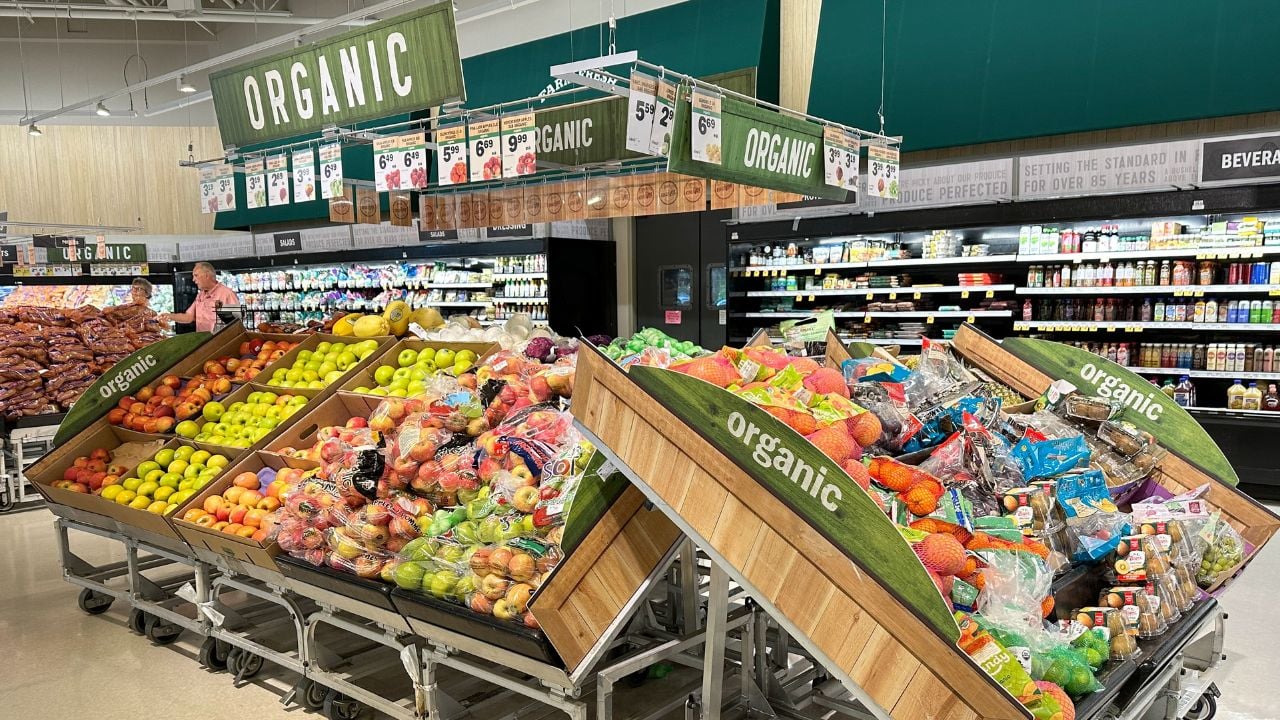
Meijer sets aside a section of its produce department for fruit and vegetables that didn’t win any beauty contest.
The Misfits bin holds apples with odd shapes, blemished citrus, and undersized sweet potatoes, pulled from the same shipments as the picture-perfect produce a few feet away.
Prices run as much as 40 percent below the regular case, marked right on the shelf tag.
That’s savings with zero effort.
A shopper new to Meijer walks right past it, since a bin of odd-looking produce reads more like a clearance rack than a bargain.
Regulars check it before anything else and build the rest of the produce list around whatever else Meijer marked down that day.
2. Wednesday Reset
Meijer regulars now plan their meat and produce trips for early in the week, right after new markdowns post and before other shoppers pick over the case.
That timing shifted because Meijer moved its weekly ad reset from Sunday to Wednesday, ending a cycle the chain ran for decades.
Old habits cost money.
A shopper still running on the old Sunday habit shows up on the wrong day and buys off the tail end of last week’s ad instead.
3. Stacking Buy 5, Save $5
Meijer regulars watch for the small Buy 5, Save $5 icon on shelf tags in the meat case and the produce aisle.
Then they build a cart across departments on purpose.
The event counts five participating items from anywhere in the store toward one $5 discount, a dollar off each item scanned.
Meat counts too.
Shop one department at a time instead, and it’s easy to land one item short of the discount without noticing.
4. Home Grown Tag
Meijer marks certain produce with a Home Grown shelf tag during the growing season, flagging fruit and vegetables sourced from farms across Ohio and its neighboring states.
The program leans on dozens of Midwest growers instead of one national supplier.
The sweet corn or green beans under that tag traveled a shorter distance than the produce sitting next to it.
That’s a shorter trip.
Ohio’s growing season is winding down by late September, so the Home Grown tags still on the shelf are some of the last of the year.
Regulars grab what’s under that tag while it lasts, and a shopper who never learned to look for it buys the same vegetable at the same price without the advantage.
Psst! How much do you know about the labels on your grocery shelf? Flip each card below and see how many you can call right.
5. Meat Counter’s Baseline
Meijer stocks its full-service meat counter with Certified Angus Beef as the standard, not an upgrade a shopper has to ask for.
That’s a grade above the U.S. Department of Agriculture’s (USDA) Choice grade, the tier many supermarkets sell as their everyday default.
No upcharge required.
The meat counter will also custom-cut a roast or a set of steaks to size when a shopper asks.
A regular skips comparison-shopping the meat case since the floor is already higher than a typical grocery aisle.
A first-time shopper still eyeballs the marbling out of habit, the way they would at a store selling Select grade by default.
What Certified Angus Beef Requires
Meijer names Certified Angus Beef as its meat counter’s floor, and that name comes with requirements behind it.
The brand requires marbling of “modest” or higher, the same fat flecking that sits in the middle of the USDA Choice range rather than its top.
USDA graders judge it using ten separate standards.
A cut can carry the Certified Angus Beef name only when it clears every one of those ten checks, not just the marbling line.
6. Frederik’s Upgrade
Meijer sells a private-label tier above its standard beef called Frederik’s by Meijer, named for the retailer’s co-founder Fred Meijer.
Frederik’s ground beef carries a USDA Prime grade, a tier above the Certified Angus Beef standard sold at the rest of the counter.
It’s easy to miss.
One label covers two different grades in the same cooler.
Regulars check the Frederik’s packaging when they want Prime instead of the everyday standard, since both sit in the same case without a sign pointing out the difference.
7. Pickup Order Notes
Meijer’s pickup and delivery orders come with a special-instructions field.
Regulars use it to steer exactly what lands in their bag from the produce and meat departments.
A trained team member hand-selects the produce and meat for every order instead of grabbing whatever’s closest.
Written notes on ripeness, size, or a preferred cut travel straight to whoever is shopping the order.
Nothing gets left to chance.
An out-of-stock item still triggers a substitution, but regulars can approve or decline it online or right at pickup instead of finding out after the fact.
A shopper who skips the notes field takes whatever a stranger decides looks close enough.
8. True Goodness Label
Meijer runs a private-label line called True Goodness across both the produce and meat departments, built around a shorter ingredient list.
The line skips artificial flavors, preservatives, and more than a hundred other additives, and part of its lineup carries USDA organic certification.
No specialty trip required.
Regulars reach for the True Goodness tag on organic produce or antibiotic-free meat without leaving the store.
A shopper unfamiliar with the label assumes cleaner ingredients mean a drive to a different grocery chain, and skips past the answer sitting in the same aisle.
8 Bad Aldi Habits That Undo an Ohio Shopper’s Savings
Aldi shoppers across Ohio save serious money by default, with an Aldi-commissioned pricing report putting the gap as high as 36 percent against traditional grocery stores.
A few habits at the register and in the aisles cancel out those savings, and many shoppers don’t realize they’re doing them.
8 Bad Aldi Habits That Undo an Ohio Shopper’s Savings
8 Ohio Restaurant Chains the Rest of the Country Has Never Tasted
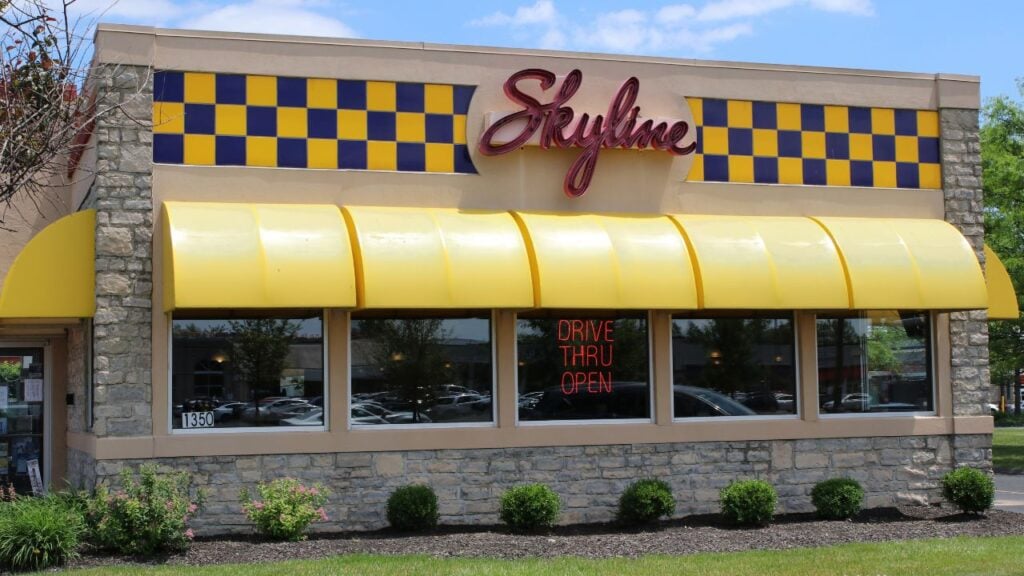
Cross the Ohio state line, and a whole category of restaurant signs disappears from the road within a few miles.
The chili spot vanishes, and so does the burger drive-in and the regional pizza chain parked next to it, chains Ohioans take completely for granted.
8 Ohio Restaurant Chains the Rest of the Country Has Never Tasted
