

8 Contractor Licensing Gaps That Leave Floridians With No Recourse

Florida requires a licensed contractor to sign an affidavit promising their insurance exists and will stay in force.
But rarely does the state check the policy until there’s an issue.
Florida looked into more than 4,800 complaints of unlicensed construction work in 2025, and the gaps that leave a homeowner exposed start well before that.
These are the contractor licensing gaps that leave Floridians with no recourse.
Note: This is general information, not legal advice. Contractor licensing rules, recovery fund limits, and enforcement procedures are subject to change, so confirm the current requirements with the Florida Department of Business and Professional Regulation.
1. No Recovery Fund for Unlicensed Work
The Florida Department of Business and Professional Regulation (DBPR) runs a Homeowners’ Construction Recovery Fund meant to pay owners back when a contractor mismanages their money.
One clause shuts the door before a claim ever starts.
Florida law disqualifies any claim where the contractor never held a valid license for the job in the first place.
No license, no fund.
That rule shuts out exactly the hires that go worst because a homeowner who verifies a license before signing rarely ends up filing a claim at all.
2. One License, Several Companies
Florida lets a single license holder run more than one construction business at the same time.
Under Florida Statute 489.119, a contractor’s state license belongs to a qualifying agent, and that same person can ask the Construction Industry Licensing Board to approve them to qualify additional companies too.
One license backs several storefronts.
A homeowner who checks that a business carries a state license is checking one person’s credentials, not whether that person ever sets foot on the job.
If nobody there but the crew ever meets the qualifying agent, DBPR still has only that one license to hold responsible for what happens.
The Money Person Isn’t Always the Licensed One
Florida’s qualifying agent has to sign an affidavit claiming final approval over the company’s construction work and its finances alike.
The Construction Industry Licensing Board can approve a separate financially responsible officer to handle the checks, drafts, and payments instead.
That person collecting a homeowner’s deposit may not be the one the state vetted for a license at all.
3. Insurance Coverage on the Honor System
Florida contractors don’t have to prove their liability insurance is in place before the state hands over a license.
State rule 61G4-15.003 only requires a signed affidavit promising the coverage exists and will stay in force for as long as the license is active.
It’s a promise, not proof.
The Construction Industry Licensing Board checks that promise through random audits by zip code, not by reviewing every renewal that crosses its desk.
A contractor whose coverage lapsed can keep working under a license number that still looks current, with nobody outside that random sample ever catching it.
4. No Recognition for Other States’ Licenses
Florida doesn’t automatically recognize a contractor’s license from another state.
Under Florida Statute 489.115, an out-of-state license only counts here if the Construction Industry Licensing Board already has a reciprocal agreement with that state.
Otherwise, the contractor still needs to pass an exam equivalent to Florida’s or show ten years of licensed experience elsewhere with no violations.
That license stops here.
A contractor who has worked for decades under a valid Georgia or Alabama license can still arrive in Florida with nothing DBPR recognizes as a license at all.
Psst! How exposed are you if your Florida contractor turns out to be unlicensed? Run through this checklist and see where you stand.
5. License Lookup’s Hidden Story
Florida’s license lookup tool can make a troubled contractor look clean.
A 2026 investigation carried by the state’s public radio stations found the tool listing a complaint against one contractor’s air-conditioning license as simply closed.
The listing gave no detail on what happened or whether the department took any action.
Closed doesn’t mean cleared.
A homeowner doing research before signing a contract sees a clean-looking record with no way to tell whether a past complaint ended in discipline, a settlement, or nothing at all.
6. License That Doesn’t Travel
Florida runs two kinds of contractor licenses, and only one of them works everywhere in the state.
A certified contractor can legally work in any Florida county.
A registered contractor is licensed for certain local jurisdictions only, and a job outside that area sits outside what the license covers.
Nobody checks this.
A registered plumber from one county can take a side job two counties over without breaking any rule on paper.
That homeowner ends up in the same spot as someone who hired no license at all.
7. Small Jobs, No License Needed
Florida exempts a whole category of construction work from licensing entirely.
Any job under $2,500 total, counting labor and materials together, counts as casual or minor work under state law, and casual work needs no contractor license.
The rulebook stops here.
A fence repair, a small deck patch, or a weekend drywall fix can fall well under that number.
Florida’s entire licensing system never applies to the person doing the work.
8. Owner-Builder Permits, No Contractor Required
Florida lets a homeowner pull a building permit and act as general contractor on their primary home.
The exemption exists for genuine do-it-yourselfers.
The Florida Attorney General’s office has flagged a common trick.
An unlicensed worker gets the homeowner to pull an owner-builder permit that makes it look like the homeowner supplied the labor.
The homeowner becomes the contractor of record on paper.
No one’s left to blame.
With no licensed contractor named on the permit, DBPR has nobody to discipline and the Recovery Fund has nobody to pay a claim against.
Any dispute becomes an ordinary civil fight that the homeowner funds alone.
What the Complaint Numbers Show
DBPR’s numbers back up how thin this recourse is.
The agency looked into more than 4,800 complaints of unlicensed construction activity in 2025 alone, according to a 2026 Florida Trib investigation carried by the state’s public radio stations.
That same year, the reporting found, DBPR revoked exactly one company’s license over deceptive practices.
One.
The investigation found companies renewing Florida licenses year after year while dozens of complaints sat open against them.
License reviews simply don’t factor in a company’s complaint or litigation history.
One Jacksonville homeowner didn’t discover the lien tied to her contractor dispute until after she had already sold the house.
9 Florida HOA Rules That Blindside First-Time Buyers
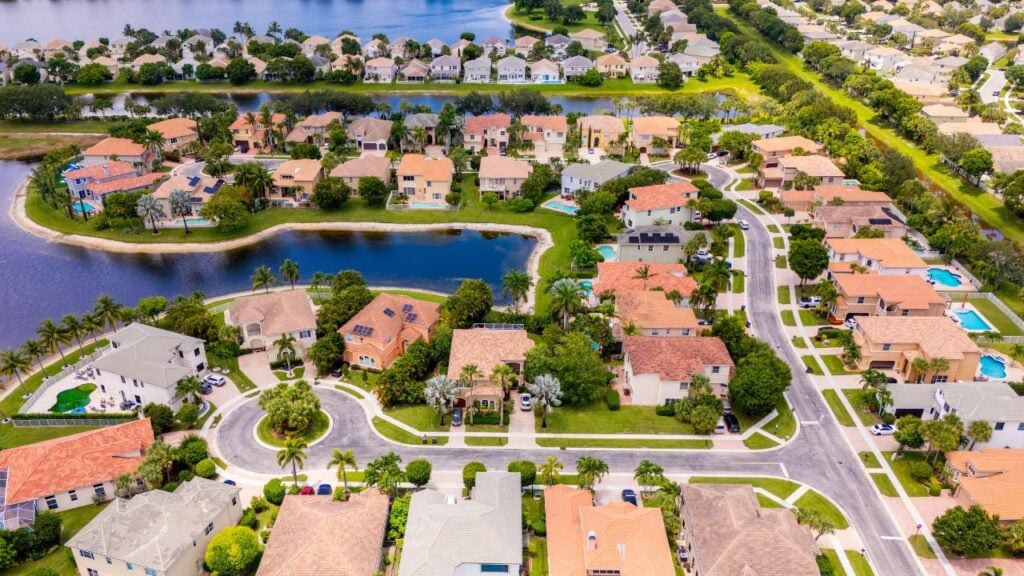
A moving truck is barely empty in a new-build Cape Coral driveway when a certified letter already shows up in the mailbox.
It’s from the homeowners’ association, and it isn’t a welcome basket for first-time buyers still unpacking boxes.
9 Florida HOA Rules That Blindside First-Time Buyers
9 Florida Boat Registration Rules That Catch New Owners Off Guard
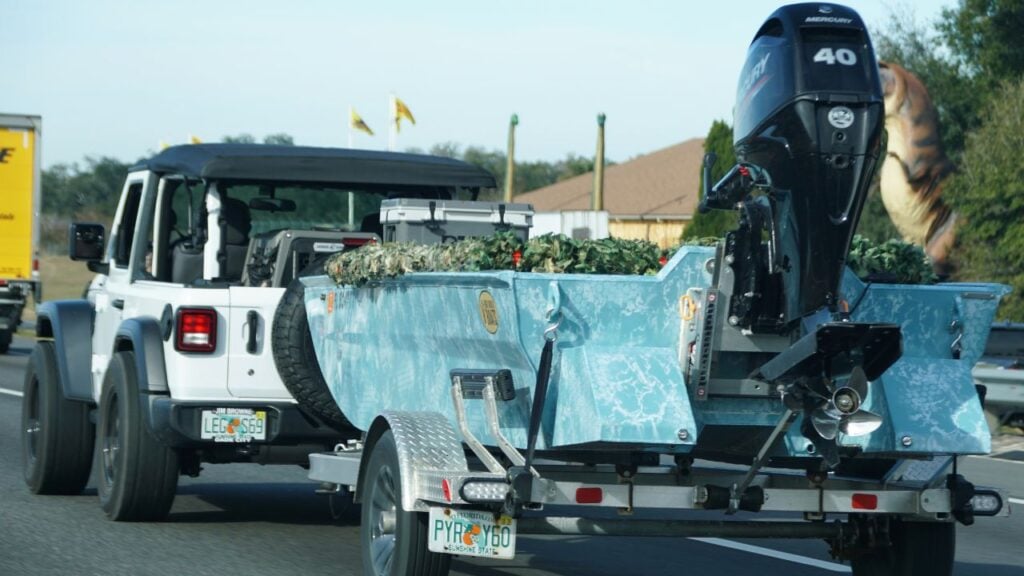
More than a million boats are registered in Florida right now.
Every one of them passed through the same tangle of paperwork that catches new owners off guard, sometimes before the boat ever backs down the ramp.
9 Florida Boat Registration Rules That Catch New Owners Off Guard
