
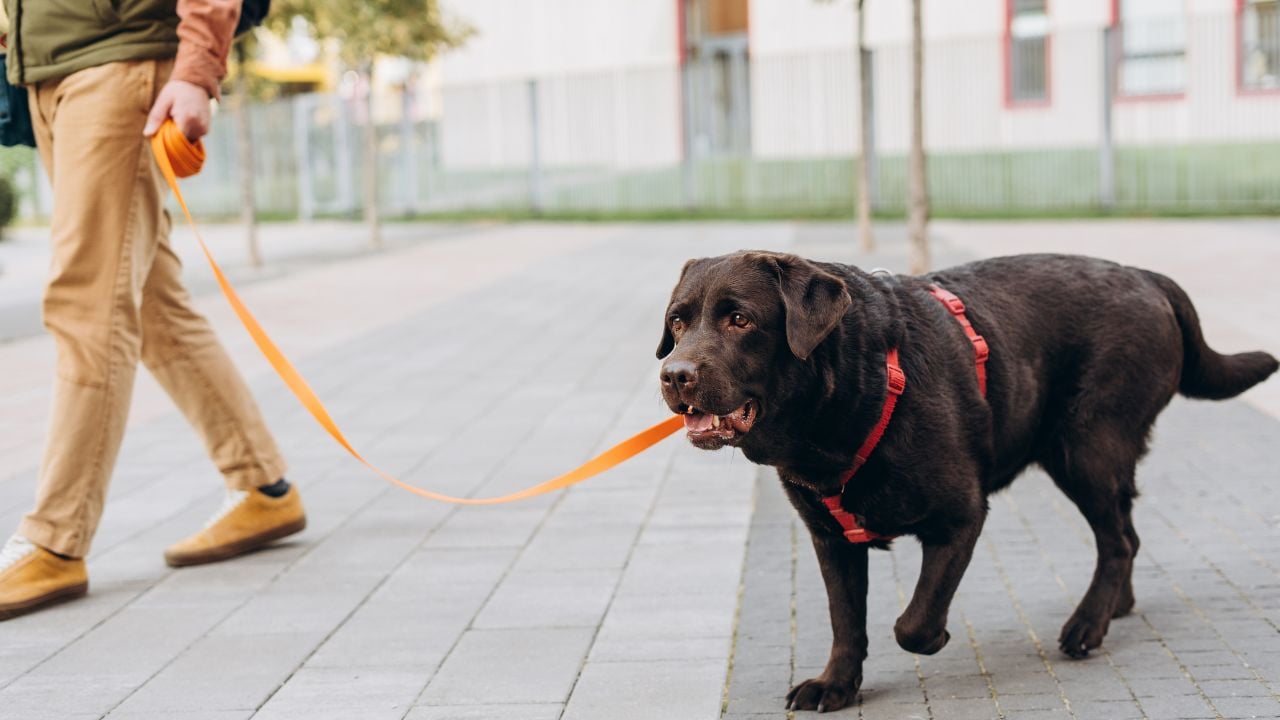
9 Everyday Outdoor Hazards Texas Dog Owners Need to Watch For

A Texas backyard in August looks no different at three in the afternoon than it does at seven.
The pavement beside it does. On an 86-degree day, asphalt can reach 135 degrees, hot enough to burn a paw pad in a minute.
These are the everyday outdoor hazards Texas dog owners need to watch for.
1. Fire Ants
Fire ants have spread across the eastern two-thirds of Texas.
A mound in your yard can pass for a random pile of loose dirt.
Your dog steps on one, and dozens of ants swarm its paw within seconds.
There’s no warning first.
Pet Poison Helpline says the paws and muzzle take the worst of it.
That tracks: A dog’s nose and paws are usually the first parts to reach the ground.
Many dogs shake off a sting with some swelling and itching.
Some don’t.
A dog with a heart condition or a known allergy can slide into anaphylaxis from a swarm of stings.
Scratching the bites open invites a bacterial infection.
Check your yard for fresh mounds before letting your dog loose after rain, since fire ants rebuild fast once the ground dries out.
2. Hot Pavement and Sidewalks
Texas pavement gets hot enough to blister a paw well before the air feels unbearable.
That 135 degrees is what asphalt hits once the air reaches 86.
There’s no time to react.
Many Texas summer days reach that threshold by mid-morning, long before a walk feels like a bad idea.
Concrete and artificial turf run just as hot as blacktop in direct sun, sometimes hotter.
Burned pads show up as blisters, discolored patches, or your dog favoring one paw over the others.
Morning and evening walks beat the midday sun for you and your dog in Texas.
The Hand Test for Texas Pavement
Texas pavement can run 40 to 60 degrees hotter than the air temperature the moment direct sun hits it, according to the American Animal Hospital Association.
Press the back of your hand against the sidewalk or parking lot for seven seconds before a walk.
If you can’t hold it there the whole time, the surface is too hot for a dog’s paws.
3. Foxtails and Grass Awns
Foxtail-type grasses turn up in nearly every part of Texas, from the Blackland Prairies to the Trans-Pecos, according to Texas A&M’s plant database.
Their seed heads carry stiff barbs built to travel only one direction: Forward.
A foxtail that slips into a paw, an ear, or a nostril doesn’t dissolve.
It keeps migrating through tissue.
Watch for head-shaking, sneezing fits, limping, or a spot a dog won’t stop licking.
A missed foxtail can travel for weeks before it surfaces somewhere far from where it went in, and vets sometimes need surgery to track it down.
Checking paws, ears, and the fur around the collar after a walk through tall grass catches many of them early.
4. Blue-Green Algae in Lakes
A Texas dog that spends summer swimming in lakes and ponds runs into blue-green algae many years.
Blooms in spots like Lady Bird Lake and Lake Austin grow thick enough to close swimming areas, according to Austin’s Watershed Protection Department.
The mats have killed dogs in past years.
Recovery isn’t guaranteed.
The cyanobacteria first showed up in local waterways in 2019, after floods washed fertilizer and septic waste into the lakes.
It comes back in many summers when the water sits warm and still.
A dog that swims in or licks water carrying the toxin can show symptoms within an hour: Vomiting, stumbling, seizures.
Not every murky pond carries it, but a Texas dog owner can’t tell just by looking.
Skip stagnant or scummy water, and call a vet fast if a dog goes in anyway.
5. Rattlesnakes and Other Venomous Snakes
Texas is home to four venomous snake species, and your dog exploring brush or a woodpile can run into any of them.
The copperhead, the coral snake, the cottonmouth, and the Western diamondback rattlesnake all turn up somewhere in the state.
A bite swells fast and hurts worse.
Texas A&M’s veterinary school says the only right move is getting to an emergency vet immediately, since not every clinic stocks antivenom.
Skip the tourniquet.
Skip the ice.
Don’t try to suck out the venom.
None of that helps, and it often makes things worse.
Snake-proofing your yard means clearing brush piles and keeping woodpiles away from where your dog plays.
6. Heartworm-Carrying Mosquitoes
Texas logged more heartworm-positive dogs than any other state, with a positivity rate of 3.78 percent, according to the American Heartworm Society’s latest national survey.
A single mosquito bite is all it takes.
A mosquito picks up the parasite’s larvae from an infected dog, coyote, or fox, then passes it to your dog in its next bite outdoors.
Mild winters across much of the state mean Texas mosquito season barely lets up some years.
Adult heartworms can live five to seven years inside your dog once they mature, and the damage to its heart and lungs is already done by then.
Treatment isn’t simple.
Monthly preventive medication blocks the infection before it ever takes hold.
Skipping one dose during a hot Texas month is enough to leave your dog exposed.
7. Toad Toxicity
For a dog in South Texas or along the Gulf Coast, cane toads are an everyday backyard risk.
The cane toad’s skin secretes a toxin strong enough to kill a dog that mouths it.
The Rio Grande Valley carries the heaviest numbers, according to the Texas Veterinary Medical Foundation.
A dog that licks or bites a cane toad can start drooling heavily within minutes.
Symptoms escalate fast: Red gums, a racing heart, tremors, and in the worst cases, seizures.
Rinse your dog’s mouth out sideways with a hose right away, never straight back, so the toxin doesn’t wash further down the throat.
Then get to a vet.
Other native Texas toads usually cause milder drooling and foaming, but a Gulf Coast dog owner can’t always tell which kind hopped through the yard.
8. Feral Hogs
Texas carries an estimated 2.6 million feral hogs, more than any other state, and they’ve spread into nearly every county.
El Paso County is the lone holdout, per Texas Parks and Wildlife.
A hog cornered near a dog won’t back down.
They charge instead.
One Montgomery County hog charged into a family’s dogs before dawn, then charged the homeowner and his wife when they came outside to break it up.
The homeowner ended up shooting it to end the standoff.
Feral hogs also carry more than 30 diseases that can spread to other animals, including brucellosis and leptospirosis, per Texas Parks and Wildlife.
Keeping dogs leashed near creek bottoms, brushy fence lines, and unmowed fields cuts the odds of a surprise meeting.
Psst! How much do you know about the hazards pets face every day? Take our quiz and see how many you can get right.
Quiz
Texas Pet Safety IQ
Answer these questions on everyday pet dangers you’ve probably never thought about. We bet you can’t get them all right. Prove us wrong?
Even a small bite of which common Texas landscaping plant can be fatal to a dog, with up to half of cases ending in death?
9. Coyotes
Coyotes roam every corner of Texas, from ranch country to greenbelts a few blocks from downtown Austin.
They rarely attack first.
Coyotes turn territorial from January through March while raising pups, and wildlife officials say that's when a coyote is likeliest to confront a dog out on a walk.
A cornered coyote turns aggressive fast.
That's when a leash earns its keep.
Texas Parks and Wildlife tells dog owners to leash dogs and stay outside with them, especially after dark.
Leaving cat food out draws coyotes in along with the cats.
A fenced yard helps.
A determined coyote can still climb, jump, or dig under one, though, so height alone isn't the fix.
Motion-sensor lights and closing off any gap under a fence or gate cut down on nighttime visits.
A coyote that loses its fear of a yard keeps coming back, so clearing out food scraps, water bowls, and hiding spots is what keeps it away.
9 Texas Drive-In Movie Theaters Still Open and Worth the Trip

Texas had around 388 drive-in movie theaters when the outdoor movie craze peaked in the 1950s and '60s.
Fewer than 20 are left running today, and that's a brutal survival rate.
9 Texas Drive-In Movie Theaters Still Open and Worth the Trip
6 Things Texas Homeowners Can't Legally Park in Their Own Driveway
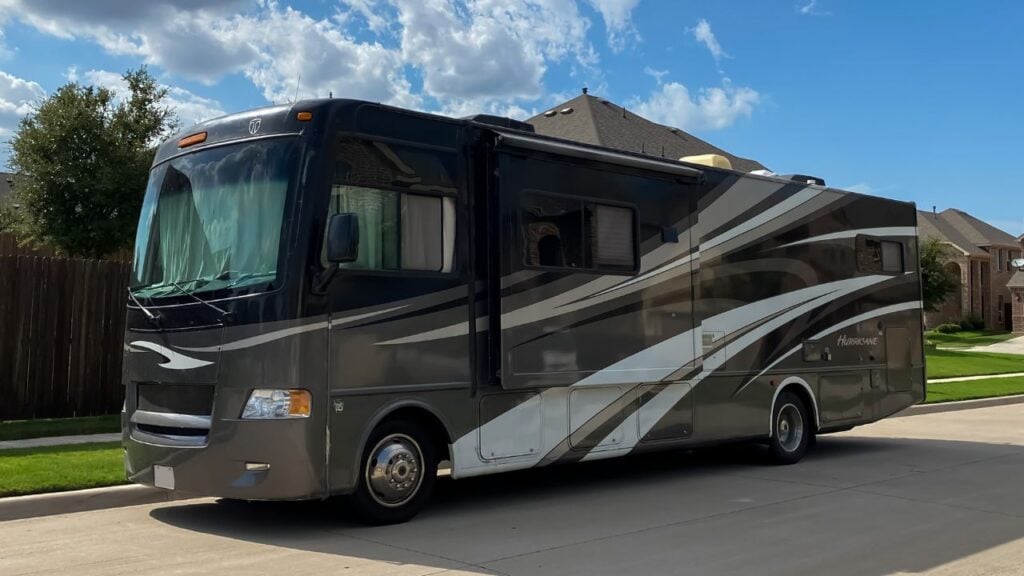
San Antonio can fine a homeowner up to $2,000 for parking a 26-foot recreational vehicle (RV) in the driveway, and that's city code, not a homeowners association (HOA) rule.
Cities across Texas have written versions of that rule, and many homeowners never find out until a citation shows up.
6 Things Texas Homeowners Can't Legally Park in Their Own Driveway
