
8 Utility Rules Missourians Should Understand Before Their Winter Bills Start

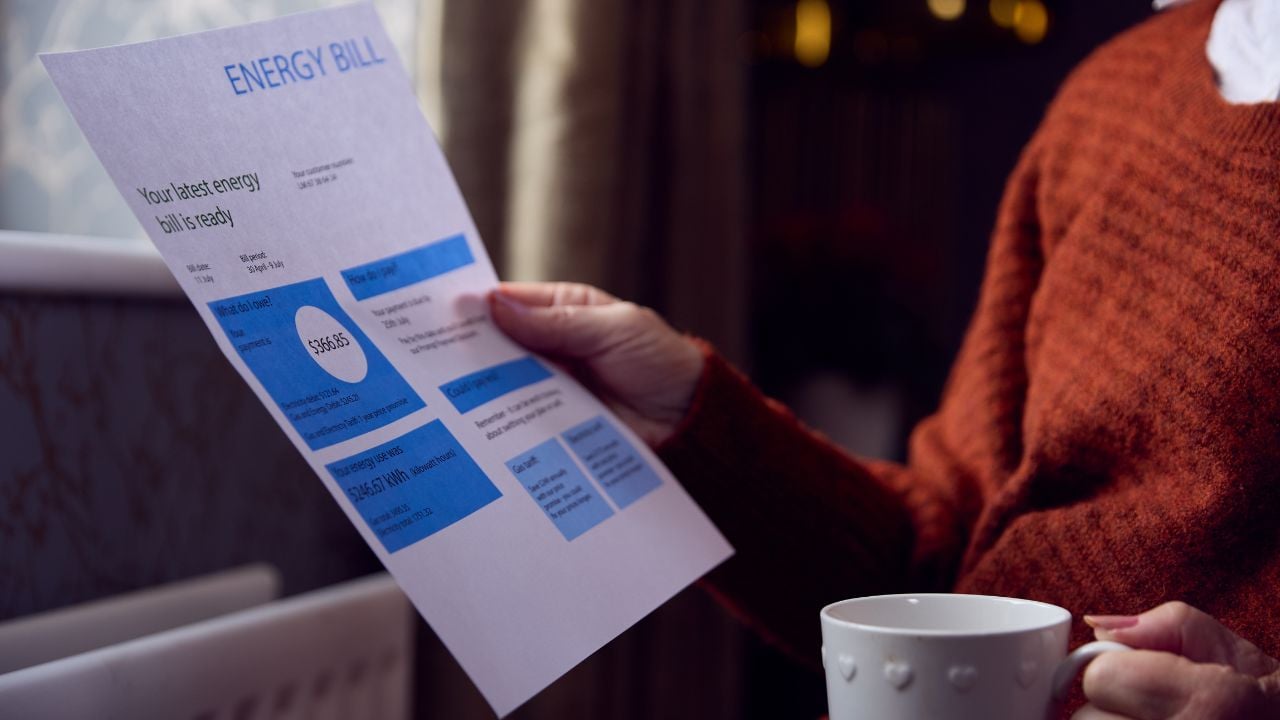
Missouri’s Cold Weather Rule runs Nov. 1 through March 31, and a 2025 change now makes it look a full 72 hours ahead before a utility can cut the heat.
Many Missourians notice the fine print in December.
These are the utility rules Missourians should understand before their winter bills start.
Note: This is general information, not legal advice. Utility disconnection and billing rules are subject to change, so confirm the current requirements with the Missouri Public Service Commission.
Registering Ahead of Winter
Missouri customers who want the strongest Cold Weather Rule protections have to register with their utility as elderly or disabled before trouble starts.
Nobody mails that form automatically.
The commission sets the bar at 65 or older, or a disability a physician confirms requires utility service to maintain the household’s health.
A formal disability award letter from the federal government also qualifies.
Household income has to fall under the commission’s low-income threshold too.
Skip the registration, and the extra notices, the guaranteed payment plan, and the deposit waiver covered below never switch on.
72-Hour Freeze Trigger
A Missouri household that wants its heat protected before a winter bill ever rises needs to know when this freeze-forecast rule kicks in.
Missouri’s Cold Weather Rule runs from Nov. 1 through March 31 every year, and it blocks a heat-related shutoff whenever the forecast calls for a temperature below 32 degrees.
That window widened in 2025.
Missouri’s investor-owned utilities used to check only a same-day forecast.
State lawmakers changed that through Senate Bill 4, which now requires the commission’s rule to look a full 72 hours ahead.
A shutoff crew has to stand down days before a cold snap even arrives.
The rule covers every residential customer of a utility the commission regulates, not only the customers who registered.
Rural electric cooperatives and municipal utilities sit outside that authority, so a Missourian served by one of those should ask directly whether the same freeze trigger applies.
Meeting the 50% Rule
Missouri lets a registered customer shrink a winter payment instead of skipping it entirely.
During the Cold Weather Rule period, a qualifying customer can pay 50% of the current bill if that’s less than the payment agreement amount.
The utility still has to keep the heat on.
The rest doesn’t disappear.
Whatever a customer doesn’t pay under that reduced amount rolls forward into the household’s payments after the Cold Weather Rule period ends, on top of the regular bill.
A customer who ignores the plan loses the reduced rate the next billing cycle, so the discount only survives as long as the payments keep coming.
The Math Behind a Missouri Winter Bill
Picture a Missouri household with a $220 monthly gas bill and a payment agreement already set at $180 a month.
Fifty percent of $220 is $110, which is less than the $180 agreement amount, so $110 is what the household owes that month to stay protected.
The remaining $110 rolls into the arrears and carries forward into the household’s payments once the Cold Weather Rule period ends.
Skip that reduced payment, though, and the household owes the full $180 agreement amount the very next month.
Skipping the Deposit
Locking in a payment agreement before winter bills start rising can keep a Missouri household from ever facing a deposit demand at all.
Missouri utilities can’t demand a security deposit from a customer who enters a payment agreement and keeps it.
That waiver covers a customer trying to restore service after a shutoff, too, as long as the household makes its first payment and stays current after that.
One missed payment ends it.
Break the agreement once, and a utility can go back to requiring the deposit it originally waived, on top of whatever balance is already owed.
Psst! How much do you know about the companies that keep Missouri’s lights and gas running? Take our quiz and see how many you can get right.
Quiz
Missouri Utility IQ
Answer these questions on the companies and rules behind Missouri’s utility bills. We bet you can’t get them all right. Prove us wrong?
What year was the Missouri Public Service Commission created?
21-Day Medical Delay
A Missouri household coping with a medical emergency needs to know this protection exists before a winter bill turns into a shutoff notice.
Missouri gives a household facing a medical emergency more time than the standard notice allows.
A utility has to postpone a shutoff for up to 21 days once it learns that disconnecting service would make an existing medical emergency worse.
The household has to back that up.
State rule asks for reasonable evidence that a shutoff would make the emergency worse, not a doctor's form.
A utility can still ask to see that evidence before granting the delay.
Twenty-one days buys time.
It doesn't erase the balance behind it, so many households use the delay to line up a payment plan or apply for assistance.
Capping Your Deposit
Knowing these caps before a winter bill arrives can keep a Missouri household from overpaying into a deposit it never should have owed.
A Missouri utility can't set a security deposit at whatever number it wants.
State rule caps an existing customer's deposit at twice the highest bill from the past year, or four times the average bill, whichever the utility's tariff spells out.
New customers get different math.
A utility can charge a new customer with no payment history up to a sixth of the estimated annual bill when they're billed monthly.
A customer billed quarterly instead faces a cap of a third of that same estimate.
Ask for the math behind any deposit request, and a Missouri utility has to show its work against one of those formulas.
10-Day Shutoff Warning
Knowing this timeline before a winter bill goes unpaid gives a Missouri household time to act before a shutoff crew ever shows up.
Missouri requires fair warning before any utility can pull the plug on a household.
State rule requires written notice by mail at least 10 days before the date a utility plans to cut off service.
That notice has to spell out what the household still owes and how to stop the shutoff.
That's not the only warning.
A utility also has to attempt contact again within 24 hours of the actual shutoff, through a second notice, a doorhanger, or a phone call.
A household that moves without updating its mailing address is a common reason that second warning never lands.
Applying for Winter Help
Missouri runs a home energy assistance program that pays part of a heating bill directly.
That help isn't automatic.
The state doesn't send that money to anyone who hasn't applied, and the regular Low Income Home Energy Assistance Program (LIHEAP) window runs October through May.
Missouri's Department of Social Services also funds a separate winter crisis benefit from November through May for households facing an active shutoff or a documented energy emergency.
That crisis benefit tops out at $800 per household.
A regular application typically takes about 30 business days to process, so a Missourian waiting for a shutoff notice to apply has already waited too long.
The application goes through the state's Family Support Division, either online, by mail, or over the phone, and it asks for proof of income and a recent utility bill.
A household that clears the income guidelines in October has months of runway before its coldest, most expensive bills of the year even arrive.
9 Things Missourians Are Tired of Explaining to Everyone Who Moves In
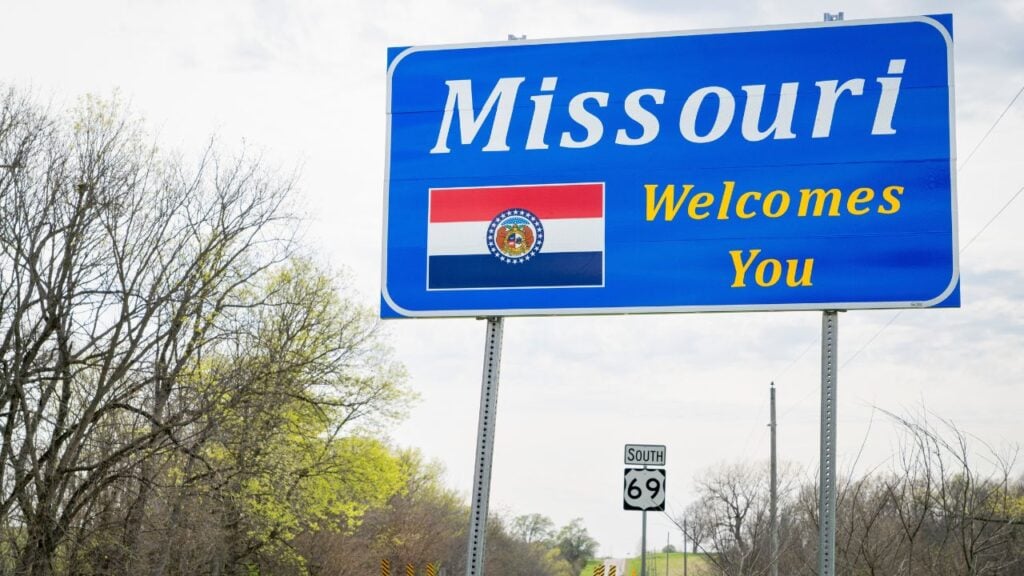
A newcomer's GPS calls out "turn onto Route Z" on a rural Missouri highway, and many visitors assume the app glitched.
Missouri has a whole list of quirks like that one, the kind lifelong residents end up explaining over and over to whoever just moved in.
9 Things Missourians Are Tired of Explaining to Everyone Who Moves In
