
9 Reasons Washingtonians Keep Driving Into Oregon and Never Go Back

Washington’s state gas tax rose to 56.5 cents a gallon on July 1, 2026, under a fuel-tax law state lawmakers passed the year before.
It’s one of the highest rates anywhere in the country.
Clark County drivers already know the fix.
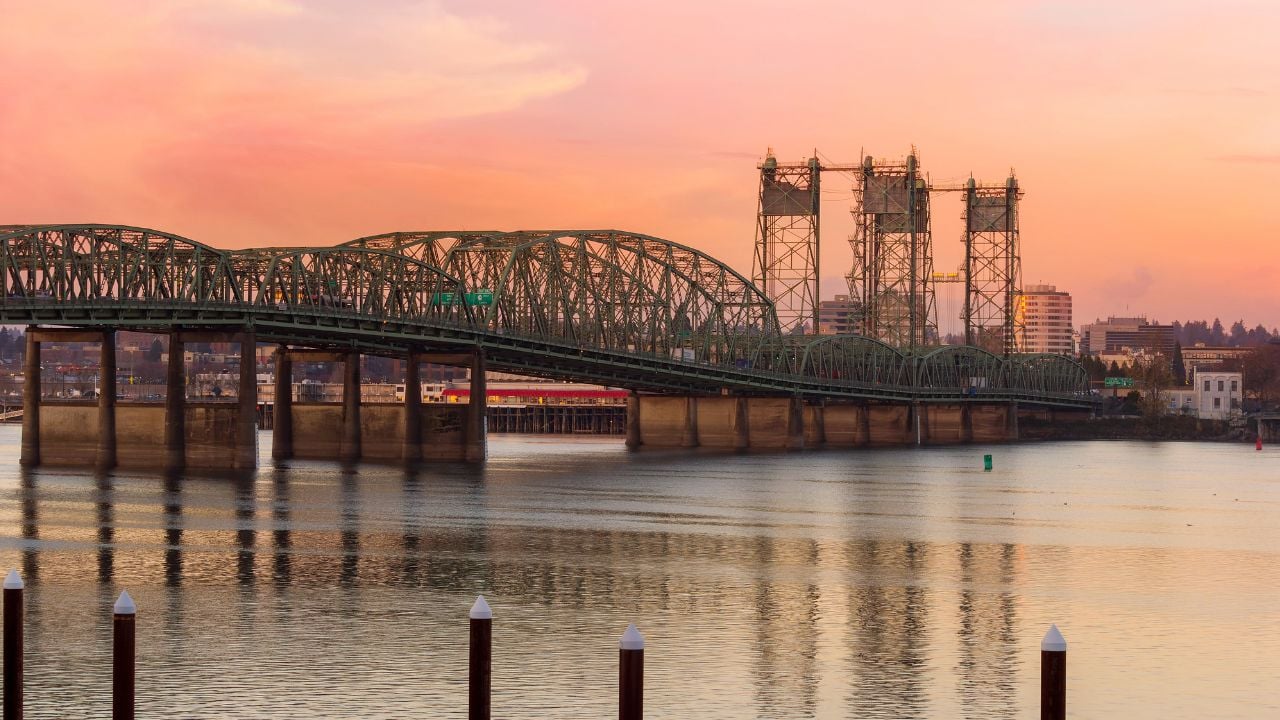
Cross the Columbia River into Oregon, and that tax disappears along with the sales tax on almost everything else.
These are the reasons Washingtonians keep driving into Oregon and never go back.
Note: This is general information, not tax or legal advice. Sales tax, use tax, and liquor pricing rules are subject to change.
1. Big-Ticket Electronics
Washingtonians pack the parking lot outside the Best Buy at Cascade Station many weekends.
A 2018 count found close to 70% of the cars there carried Washington plates.
The reason sits in the register total: Washington taxes a television or a laptop at the full sales tax rate, while Oregon taxes none of it.
A $1,500 TV that would add roughly $130 in tax back home costs exactly $1,500 at Cascade Station.
Many shoppers stop pricing electronics on the Washington side after that first comparison.
2. Furniture and Mattresses
Washington furniture shoppers pricing a dining set or a mattress add close to 9% in Clark County before delivery even shows up on the receipt.
Oregon’s only IKEA, the Swedish furniture chain, sits a few miles south of the Interstate Bridge at Cascade Station, with none of that tax attached.
On a $2,000 order, the gap runs close to $180.
Serious money.
A single furniture haul is often enough to change where a family shops for the next one.
3. Clothing and Shoes
Washington taxes clothing and footwear the same as anything else on the shelf, with no exemption for a jacket or a pair of shoes.
Oregon doesn’t, so a $200 back-to-school haul that would run close to $18 extra in Vancouver costs exactly $200 in Portland.
Families who do that math once tend to keep doing it every fall and every holiday season after.
Not a one-time trip.
4. Restaurant Tabs
Washingtonians eating out in Vancouver watch sales tax land on every line of the check, from a burger to a round of coffee.
Portland dining rooms charge exactly what the menu says.
Oregon taxes no restaurant tab at all, not even a bar tab.
Dinner for two that would add several extra dollars in tax back in Vancouver comes to the printed total once the table’s in Portland.
Friday night plans start defaulting south once a couple compares those two receipts side by side.
5. Liquor Store Runs
Washington charges about $36.98 in tax on every gallon of spirits sold, the highest combined rate of any state in the country.
Oregon’s rate runs closer to $23.74 a gallon, and its state-controlled stores price bottles without Washington’s spirits sales tax stacked on top.
Not long after Washington privatized liquor sales in 2012, one liquor store owner near Jantzen Beach told a Seattle newspaper that roughly 80% of his business came from Washington shoppers.
Cheaper, every time.
That kind of gap doesn’t get people to switch back for a single bottle.
Psst! How much do you know about the Washington-Oregon tax divide? Flip each card and see how many you get right.
6. Gas Station Fill-Ups
Washington drivers pay 56.5 cents a gallon in state gas tax as of July 1, 2026, with another increase already scheduled for next summer.
Oregon’s pump price carries 40 cents a gallon statewide, plus a 10-cent add inside Portland.
Many fill-ups near the border still land below Washington’s number even with that local tax.
Oregon also keeps an attendant on the job in the counties around Portland, and a driver there usually still gets a full-service fill-up.
Oregon caps self-serve at only half of a station’s pumps in that part of the state.
Drivers stay dry.
That’s two reasons to cross the bridge before Washington’s next gas tax increase lands.
7. Home Improvement Projects
Washington taxes nearly every material in a kitchen remodel or a new deck, from lumber to cabinets to paint.
Oregon leaves all of it untaxed.
Cabinets included.
On a project running several thousand dollars, that adds up to hundreds of dollars saved.
Contractors and DIYers planning a full remodel start routing their supply runs around the state line instead of around the closest store.
The bigger the project, the bigger the incentive to keep doing it that way.
8. Tires and Auto Parts
A set of four tires running $800 costs Washington drivers close to $70 more in Vancouver’s sales tax than it would across the river.
Oregon shops selling the same parts and labor charge the sticker price, nothing added at checkout.
Washington taxes new tires, brakes, and other big auto parts at the same full rate as anything else at the counter.
Seventy dollars buys a lot of gas for the drive over.
Brakes, batteries, and everything else under the hood often make the same trip once tires do.
What Washington Collects on an Oregon Car
Washington’s use tax catches up with exactly one kind of Oregon purchase: The vehicle.
Titling that car in Washington triggers the general use tax rate plus a separate motor vehicle tax stacked on top of it, not the general rate alone.
That extra vehicle tax rose to 0.5% on January 1, 2026, up from 0.3% the year before.
In Clark County, the combined rate now runs close to 9.4%, so a $30,000 car titled in Vancouver comes with a roughly $2,820 bill.
9. Warehouse Club Restocking Trips
Washington shoppers restocking on paper towels, electronics, and household goods find Costco, Target, and Walmart all sitting a few minutes across the state line in Oregon.
None of it carries Washington’s sales tax at checkout.
Groceries are already tax-free on both sides of the river, so this is where the savings show up: Paper goods, electronics, tires, anything that isn’t food.
A 2018 analysis by City Observatory found a Clark County household saved close to $1,000 a year shopping this way, using Washington Department of Revenue and federal income data.
Every single month.
That’s several trips, not a once-a-year splurge.
A pallet of paper towels costs the same whether it’s bought ten minutes from home or twenty minutes across a bridge, minus Washington’s tax.
Clark County shoppers figured that out decades ago, and the parking lots at Jantzen Beach and Cascade Station still fill up with Washington plates every weekend to prove it.
10 Things Oregon Residents Should Never Put in a Recycling Bin
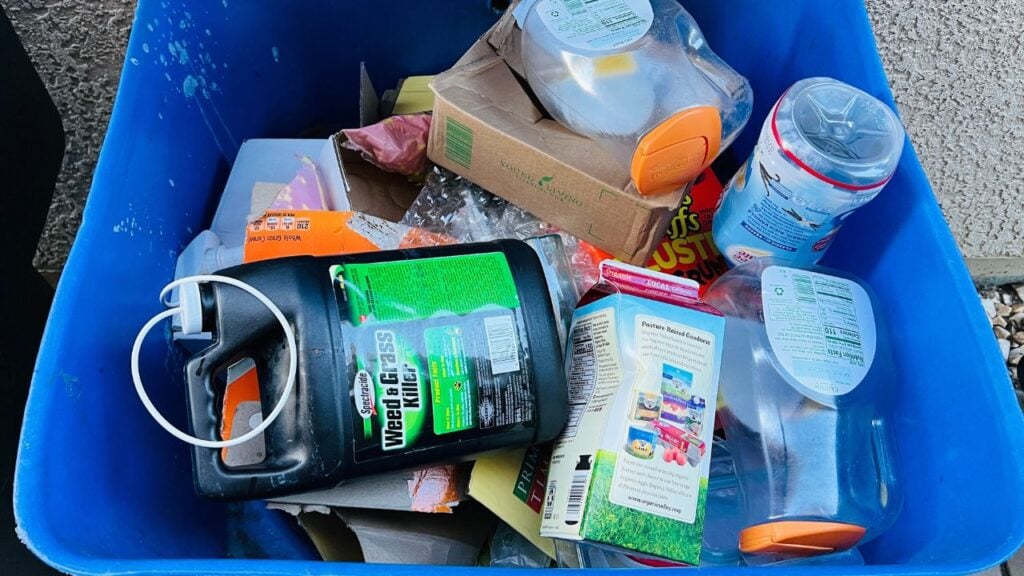
Sixty-one fires broke out at two of the Portland area’s waste and recycling stations in 2025, and nearly all of them traced back to the same mistake.
A battery tossed in with the recycling instead of the trash was almost always the spark, and it’s far from the only item that trips up Oregon’s sorting rules.
10 Things Oregon Residents Should Never Put in a Recycling Bin
9 Oregon Foraging Rules That Could Turn a Free Meal Into a Fine

Oregon State Parks hands a forager an exact number before they fill a single bucket: Five gallons of wild berries, fruit, or mushrooms a day, no more.
Step off state park land onto national forest or state forest ground, and that limit changes, sometimes by a lot.
9 Oregon Foraging Rules That Could Turn a Free Meal Into a Fine
