
5 Wisconsin Cheese Rules Wisconsinites Enforce Without Ever Saying So

More than 39,000 pounds of cheese curds moved through the concession stands at Lambeau Field this past season, according to the Green Bay Packers’ tally.
Nobody at Lambeau calls that unusual.
These are the Wisconsin cheese rules Wisconsinites enforce without ever saying so.
1. Squeaky Curds
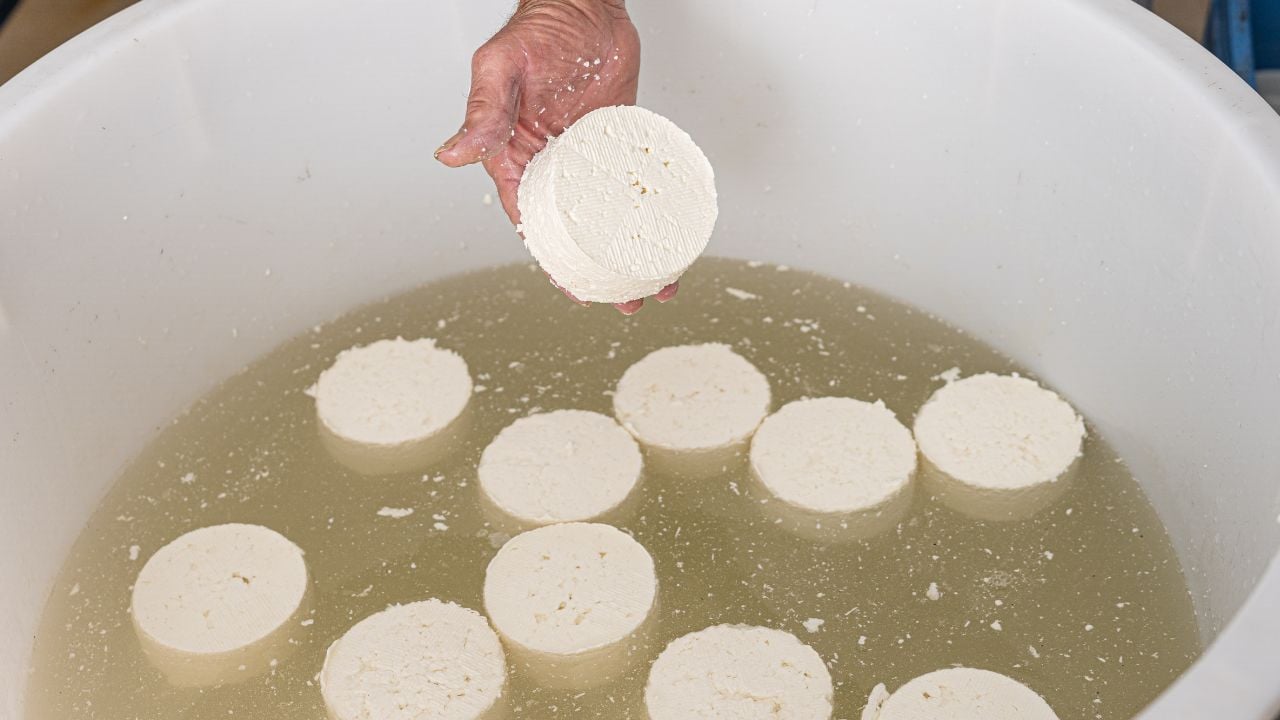
Cheese curds are the small, rubbery pieces of curdled milk that split off from the whey before a cheesemaker ever presses the block into a wheel.
They only earn a passing grade from a shopper when they squeak against the teeth.
That’s the test, and nobody spells it out for a visitor before they try it.
University of Wisconsin food scientists are still studying exactly what makes a fresh curd squeak in the first place.
Their working theory points to acid from the starter culture weakening the curd’s protein structure over time.
That breakdown may be why the squeak survives anywhere from a few days to about two weeks before it fades.
Then the squeak stops.
A silent bag of curds still tastes fine.
But a Wisconsinite who bites into one at the counter and gets nothing back sets it down without a word.
2. Naming the Maker
A host who serves a cheese board and can’t name the creamery behind the wedge loses points with anyone paying attention.
Regulars want a name, not a category.
Wisconsin runs the only Master Cheesemaker Program in the country.
The title takes holding a state cheesemaker’s license for at least 10 years, plus making a single named cheese for five more years before certification.
Locals notice the difference.
Naming Sartori, Hook’s, or Carr Valley on the board signals a host who did more than grab a plastic-wrapped block from the deli case.
Ten years of licensing and five more years on one named cheese is what that credential costs.
Wisconsin’s License Law, in Plain Terms
Every Wisconsin cheese factory needs a state cheesemaker’s license before selling a single wheel, not just the cheesemakers chasing Master status.
State rules also make each factory print a vat number right on the label, along with the plant that made it.
That number lets an inspector trace a wedge back to the exact spot and batch behind it.
That number is why a serious cheese shopper checks the label before the price tag.
3. The Grade Stamp Alone
Wisconsin cheese carries a state grade stamp that cheese from anywhere else is never allowed to borrow.
Locals bring that stamp up the moment an out-of-state relative insists a supermarket cheddar from another state tastes just like Wisconsin’s.
State agriculture officials license graders to score a wheel on flavor, texture, color, and finish.
Cheddar, Colby, and Jack-type wheels run on three tiers.
Certified Premium Grade AA (AA is the highest score a grader can give) sits at the top.
Grade A, also called the Wisconsin State Brand, comes next.
Grade B is last.
Swiss and Emmentaler-style wheels answer to a separate four-grade scale instead.
No cheese made outside the state can legally carry the state’s grade marks, no matter how good it tastes.
That’s the whole rule.
Wisconsin’s agriculture department says regulations expressly prohibit applying a Wisconsin grade mark to cheese from outside the state or from another country.
This protects a shopper from a wedge labeled Wisconsin cheese that never touched Wisconsin soil.
A Wisconsinite will call it cheese from Illinois before calling it Wisconsin cheese, stamp or no stamp.
Psst! How much do you know about Wisconsin cheese history? Take our quiz and see how many you can get right.
Quiz
Wisconsin Cheese IQ
Answer nine questions on cheese history, records, and Wisconsin firsts. We bet you can’t get them all right. Prove us wrong?
What material is an official cheesehead hat made from?
4. Fresh or Fried
Cheese curds split people into camps long before anyone asks about the squeak.
Ask a Wisconsinite whether curds belong fresh out of the bag or breaded and fried, and a shrug isn't an acceptable answer.
The debate runs deep enough that Madison Magazine has run a reader poll trying to settle it.
Nobody stays undecided for long.
Curd fans eat fresh curds cold from the bag, ideally the same day they're made.
Fried curds show up breaded and hot at a stand or a county fair, chasing a crisp shell and a melted center instead of a squeak.
Ordering fried curds when a Wisconsinite meant fresh, or the reverse, draws a look.
5. Curds at Nearly Every Gathering
Cheese curds turn up at a Wisconsin gathering often enough that nobody thinks to request them, the way chips turn up everywhere else.
More than 39,000 pounds of them moved through the concession stands at Lambeau Field during the 2025 season, per numbers the Green Bay Packers released.
That's one stadium, one season.
Many graduation open houses run on the same expectation as a tailgate, with a cheese platter sitting next to the sheet cake before the first guest arrives.
A wedding reception or a Friday fish fry without a curd tray or a cheese board often reads as unfinished.
A fish fry can skip the curds.
It just doesn't happen often.
Years to Master, Not a Class
Wisconsin's Master Cheesemaker Program doesn't hand out its title for finishing a weekend workshop.
Applicants need an Advanced Cheese Technology course plus one more elective before the state even opens an application.
The window to apply closes every May 15.
From acceptance to graduation, the program runs about two years and eight months of coursework and testing before the title exists on paper.
That's not a shortcut.
A recent class of newly certified Wisconsin Master Cheesemakers numbered seven, added one small group at a time since the program started.
Only five women have earned the title since the program began, one of them added in that same class.
It's also why shoppers treat the credential as more than marketing copy on a wrapper.
The University of Wisconsin's Center for Dairy Research runs the coursework and testing behind the Master Cheesemaker title.
That April 2026 class of seven was only the most recent addition to a list Wisconsin has built one small group at a time since the program began.
8 Habits That Give Wisconsinites Away the Second They Leave the State
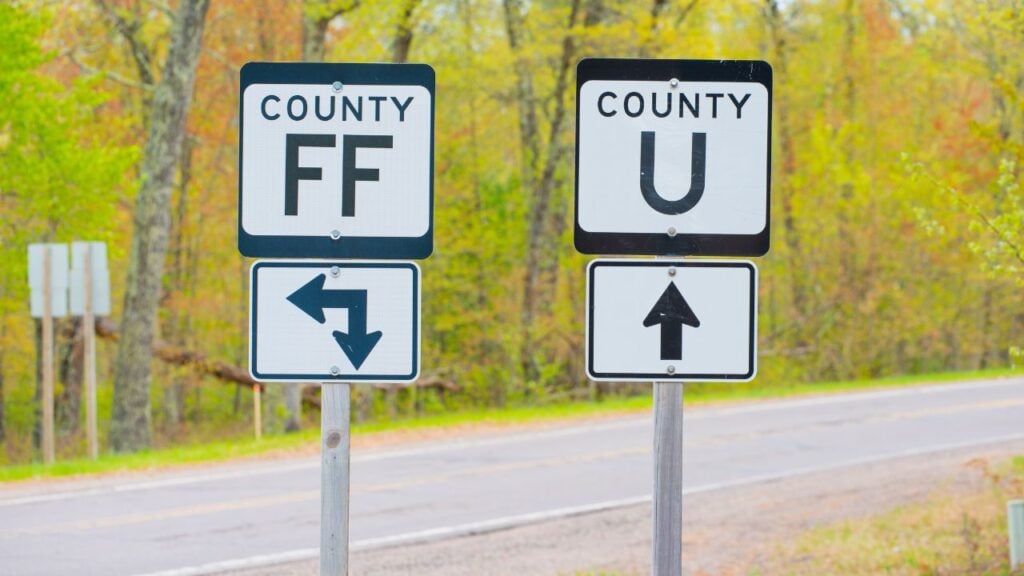
Moving to a new state means hauling along a routine or two without noticing it at first.
New neighbors and coworkers pick up on a Wisconsinite's habits fast, long before anyone mentions where they're from.
8 Habits That Give Wisconsinites Away the Second They Leave the State
