
9 Solar Sales Promises Californians Shouldn’t Sign Without Checking

Federal tax law around solar changed this year, and some sales pitches haven’t caught up with the fine print.
These are the solar sales promises Californians shouldn’t sign without checking.
Note: This is general information, not financial, tax, or legal advice. Solar contract terms, tax credit rules, and financing details are subject to change, so confirm the specifics against the California Public Utilities Commission’s Solar Consumer Protection Guide.
1. No Vanishing Bill
California solar pitches love one line: Never pay an electric bill again.
California requires every solar company to hand you a copy of the state’s Consumer Protection Guide at first contact.
That guide bars reps from promising your bill vanishes for good.
It’s smaller, not gone.
Many solar customers still see a minimum monthly charge or an annual true-up bill that shows exactly how close the system came to the number a rep promised.
2. The ‘Free’ Myth
Some California solar ads still lean on a stretched reading of state law to sound free.
The Contractors State License Board warned in 2023 that some ads twisted Senate Bill 100 into a promise of solar with “no out-of-pocket expense,” which isn’t true.
Not close.
There’s no free solar program in the state.
A low-income household might still qualify for a narrow, means-tested state subsidy, but that’s not the same as the blanket freebie a general sales pitch implies.
3. Tonight-Only Pricing Claims
A California solar rep who says the price disappears if you don’t sign tonight is repeating a line regulators have flagged directly.
That same state guide bars reps from telling you time is running out and you have to decide today.
It also requires them to walk you through the contract terms before you sign, not after.
Urgency isn’t proof.
A utility rate hike or a rebate cutoff can happen, but a rep controls neither one.
A legitimate rebate or utility deadline comes with a program name and a confirmed date in writing, not a rep’s warning that tonight is the last chance.
4. The Changed Tax Credit
California solar pitches still lean on one number: A 30% federal tax credit for going solar.
That credit is real, but it only survives for a system whose installation finished before a set date.
The IRS confirms the residential credit doesn’t apply to a solar expense completed after December 31, 2025.
That date already passed.
So if you’re signing a contract today to buy a system outright, that federal write-off isn’t part of the deal anymore, whatever an old brochure still says.
What a Lease Still Gets From That Credit
A solar lease or power-purchase agreement works differently than buying a system outright.
The company that owns the panels on your roof can still claim a federal credit under a separate business tax rule.
It may use that credit to lower your monthly payment.
That’s not the same as a 30% credit landing on your tax return.
Whether that 30% reaches the homeowner or stays with the leasing company depends on which of the three a quote is.
5. A Smaller Export Credit
A rep might tell you the extra power your panels send to the grid earns full retail value in credits, the same deal solar customers got years ago.
California’s Net Billing Tariff, the state’s current net metering rule, pays solar customers for exported power at its avoided-cost value to the grid, not the retail rate.
That’s been the rule since April 15, 2023.
Not the same math.
Fortune reported that the change cut export pay by about 75%, one reason a solar-only system takes longer to pay for itself than it did under the old rules.
A system installed today falls under that newer tariff no matter what rate a neighbor locked in back in 2021.
Anyone who connected before April 2023 keeps the old rate for a full 20 years instead.
Psst! How much do you know about California’s solar rules? Flip these cards and find out.
6. Your HOA’s Vote
Homeowners associations (HOAs) can’t block a solar install outright, and reps like to stop the sentence right there.
Civil Code Section 714 voids any HOA rule that bans solar outright, but the same law still gives your association 45 days to review your application.
Not a rubber stamp.
The HOA can also require reasonable changes, like moving panels for looks.
The extra cost can’t run past $1,000, and the system can’t lose more than 10% of its output.
7. Who Backs the Warranty
A 25-year warranty sounds like the ultimate promise a solar company can make in California, until the company backing it disappears.
San Jose-based SunPower, once one of the state’s best-known solar names, filed for bankruptcy in August 2024, laying off more than 350 California employees.
Warranties don’t survive alone.
The panel manufacturer and the installer are two separate businesses, and one can go under while the other keeps operating, or the reverse.
8. A Separate Roof Warranty
A solar rep might promise the system’s warranty has the whole roof covered, not just the panels bolted onto it.
It doesn’t work that way.
The Federal Trade Commission (FTC) guide to home solar tells buyers to nail down what happens if the roof needs repair once panels are on it.
It also flags who’s responsible for maintaining the system afterward.
Get it in writing.
Many roofing manufacturers keep a warranty separate from the solar installer’s, so a leak years later can turn into a dispute between two companies pointing at each other.
9. Financing Attached to Your Home
A solar loan can look like an ordinary personal loan on paper.
Many are, but Property Assessed Clean Energy (PACE) financing works on a different structure, and it’s become a niche choice as installers steer buyers toward loans or leases instead.
One solar financing guide now says it rarely recommends PACE, citing the lien and escrow problems below.
California’s Department of Financial Protection and Innovation (DFPI) says plainly that PACE isn’t a free government program.
It attaches to your home through the property tax bill instead of a normal loan document.
Not a detail.
That property tax lien can move ahead of a mortgage already on the house.
A New Federal Safeguard for PACE Borrowers
California PACE solar financing now carries one new federal rule worth knowing about.
The Consumer Financial Protection Bureau (CFPB) confirmed as much when it finalized new PACE rules.
A foreclosure sale pays off the PACE assessment before it pays off the first mortgage, the agency found.
Lien first, always.
A homeowner refinancing or selling a few years later can run into an unpaid PACE balance that a title company flags before closing.
Unlike a personal loan, a PACE assessment doesn’t show up on a credit report, but it’s recorded against the property and surfaces the moment a title search runs.
8 Water Restriction Rules California Homeowners Break Without Realizing It

California’s water rules don’t stop at the tap.
Some of the strictest ones live in a homeowner’s backyard, and many people break them without ever getting a warning first.
8 Water Restriction Rules California Homeowners Break Without Realizing It
8 Grocery Outlet Mistakes That Cost California Shoppers the Best Deals
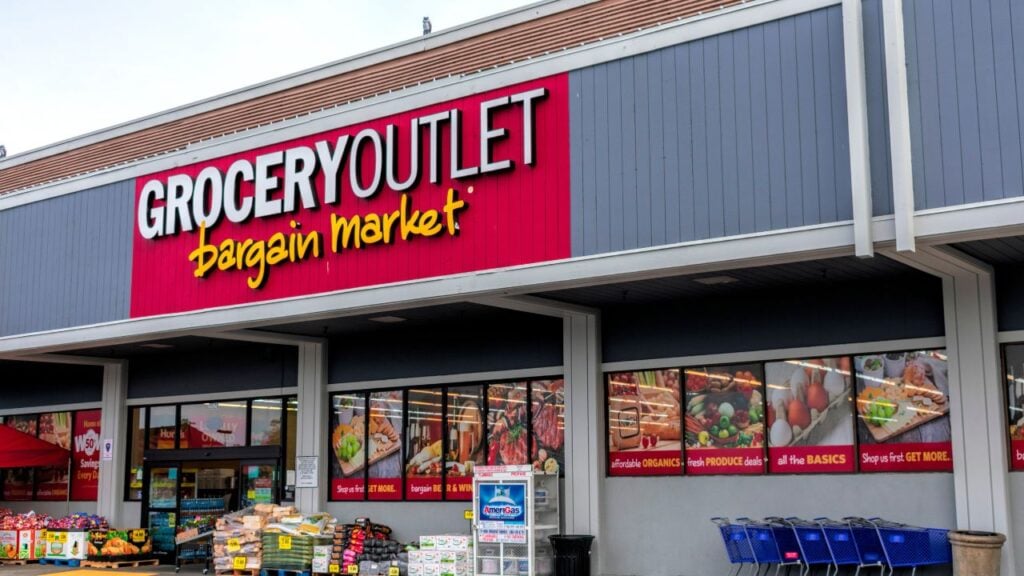
California is home to more Grocery Outlet stores than any other state, with prices that routinely run far below a regular grocery run.
The savings only hold up if a shopper avoids a handful of easy, repeatable mistakes at the register.
8 Grocery Outlet Mistakes That Cost California Shoppers the Best Deals
