
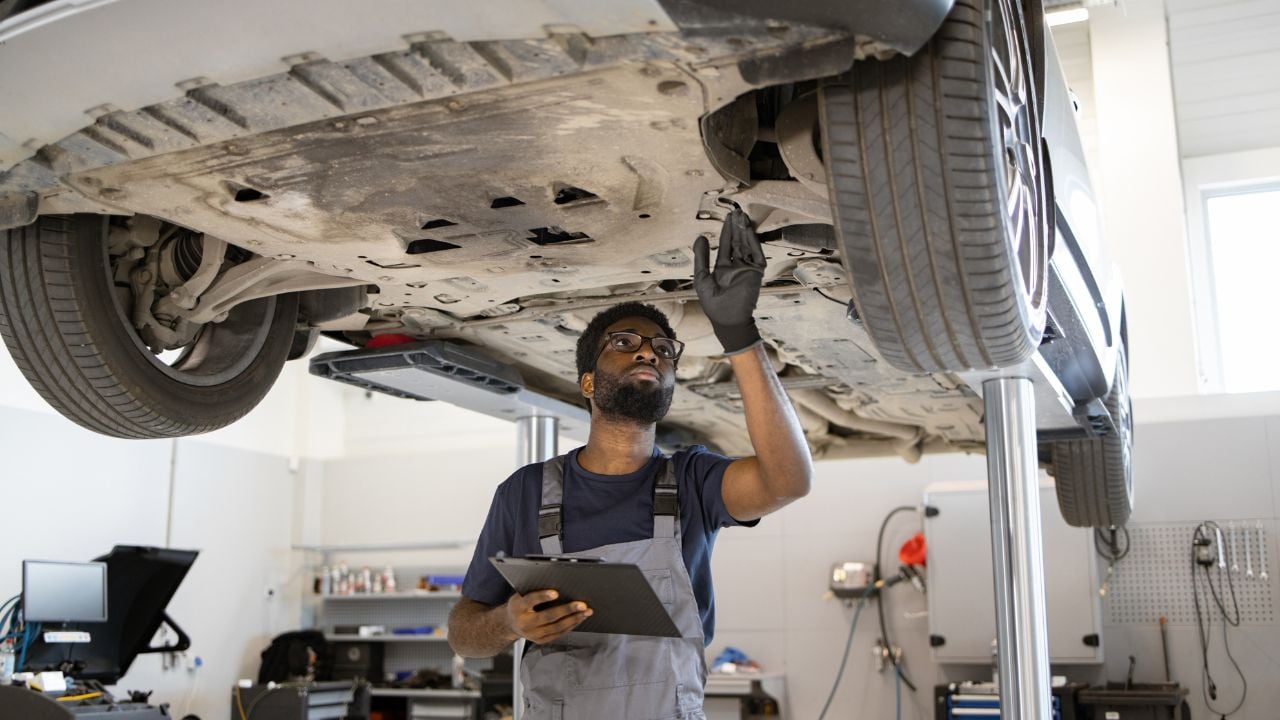
Why Do North Carolina Cars Fail the Annual Safety Inspection?

Tires, brakes, lights, horns, steering, and wipers are the everyday reasons a North Carolina vehicle fails its annual safety inspection.
Nineteen counties add one more way to fail.
Most of those everyday failures are cheap fixes, but the extra one in those counties is an emissions test, and that’s where drivers get caught out.
The check-engine-light rule trips up drivers too, since many assume a lit dashboard light won’t matter to the inspector.
Note: This is general information, not legal advice. Inspection requirements and fees are subject to change, so confirm the current requirements with the North Carolina Division of Motor Vehicles (NCDMV).
Tires Below the Legal Tread Line
North Carolina inspectors pull a tread depth gauge on every tire before checking anything else.
A tire fails once two adjacent grooves measure below 2/32 of an inch at two or more spots, under North Carolina’s tread rule.
That’s not a guess.
Inspectors lift every tire completely off the ground so they can spin it and check the whole circumference.
A bulge, a knot, or a cut deep enough to expose the cords fails a tire too, tread depth aside.
New-looking rubber doesn’t save a damaged sidewall.
Brakes That Don’t Hold
North Carolina’s checklist tests two separate brake systems on every vehicle: The foot brake and the parking brake.
Both have to respond, not just one.
A foot brake that’s spongy, pulls to one side, or won’t stop the car in a straight line fails the inspection.
A parking brake that won’t hold the vehicle fails it too, even when the foot brake works fine.
Neither gets a pass.
Lights and Signals Checked First
Headlights, accessory lights, and directional signals sit right at the top of North Carolina’s inspection sheet.
A single burned-out bulb anywhere in that chain is enough to fail the car.
Inspectors also check that headlights aim correctly instead of blinding oncoming drivers or lighting up nothing but the hood.
Brake lights and the license plate light count in this category too.
Small bulbs, big consequences.
Wipers That Won’t Clear the Glass
Windshield wipers are a line item on North Carolina’s inspection sheet, separate from every other part of the car.
A blade that skips, streaks, or won’t park flat against the glass fails the car.
Torn rubber or a wiper arm that’s lost its spring tension counts the same way.
Blades matter more than glass.
The wipers are the checked item here, not the windshield glass.
A crack sitting square in the driver’s view can still draw a citation on the road, separate from this inspection.
The Horn Test
North Carolina puts a working horn on the same checklist as headlights and brakes.
An inspector presses it during the inspection instead of taking a driver’s word for it.
A horn that’s silent, muffled, or wired wrong fails the car on the spot.
No horn, no pass.
It’s a quick check, and it still catches more cars than many drivers expect.
Psst! How much do you know about North Carolina’s driving history? Take our quiz and see how many you can get right.
Quiz
North Carolina Roads IQ
Answer these questions on North Carolina driving and licensing history. We bet you can’t get them all right. Prove us wrong?
What year did North Carolina first require drivers to carry a license?
Steering and the Rearview Mirror
North Carolina inspectors check steering play and the rearview mirror on the same pass as the brakes.
Loose or worn steering linkage, tie rods, or ball joints fail the car, since precise control at speed isn't optional.
A cracked, missing, or poorly mounted rearview mirror fails it too, and side mirrors get the same treatment.
Mirrors count too.
Exhaust and Emission-Control Parts
North Carolina checks the exhaust system and emission-control components on every vehicle, not only vehicles in emissions counties.
A leaking muffler, a loose connection, or a missing catalytic converter fails the car statewide.
County doesn't matter here.
This visual check runs whether or not the county requires the plug-in emissions test covered next.
North Carolina's Plug-In Emissions Inspection, 19 Counties Only
North Carolina requires a plug-in on-board diagnostics (OBD) test on top of the safety inspection in nineteen counties.
Those counties are Alamance, Buncombe, Cabarrus, Cumberland, Davidson, Durham, Forsyth, Franklin, Gaston, Guilford, Iredell, Johnston, Lincoln, Mecklenburg, New Hanover, Randolph, Rowan, Union, and Wake.
Everywhere else in the state, a car only needs the standard safety check.
Location decides this one.
The OBD test connects a scanner to the vehicle's onboard computer and reads its diagnostic data directly.
A vehicle within its three most recent model years and under 70,000 miles skips the emissions portion.
Vehicles 20 years or older, diesel vehicles, and registered farm vehicles skip it too.
North Carolina's Shrinking Emissions List
North Carolina's list of emissions counties has been getting shorter for years, and it may not stop at nineteen.
The Environmental Protection Agency (EPA) proposed dropping the plug-in check from every remaining county.
State lawmakers have already voted to end the program statewide.
None of that has taken effect yet, so don't skip a scheduled emissions test based on a change that's still pending.
A Lit Check Engine Light
A check engine light that's on tells an emissions-county inspector's scanner that your car has an active fault, and North Carolina fails the vehicle outright, no matter what else passes.
Inspectors also confirm the warning light works by checking that it turns on with the key in the on position before the engine starts.
The bulb must work too.
A burned-out bulb fails the car too, so a check engine light that never lights up isn't a good sign either.
Fix the problem, and North Carolina gives you a free retest within 60 days at the same station.
Psst! How much do you know about America's road-safety history? Take our quiz and see how many you can get right.
Quiz
American Road Safety IQ
Answer these questions on the history of American road safety. We bet you can't get them all right. Prove us wrong?
Which state first required seat belts to be installed in new cars, back in 1961?
FAQ
Quick answers to what North Carolina drivers ask most about a failed inspection.
What happens if my car fails a North Carolina safety inspection?
North Carolina doesn't confiscate the car, but you can't renew your registration until it passes. If you miss the deadline, the state blocks the registration renewal until the vehicle is inspected.
How long do I have for a free re-inspection in North Carolina?
Sixty days from the failed inspection, at the same station, with no new inspection fee. Wait longer than that, and the next visit starts the fee over again.
How do I get a waiver for a failed North Carolina emissions inspection?
You need documented repairs costing at least $200 that address the exact failure, plus a second failed test after those repairs. Bring both receipts and the two inspection records to your local NCDMV vehicle inspection enforcement office.
Which counties require the emissions inspection in North Carolina?
Nineteen counties, including Mecklenburg, Wake, Guilford, Forsyth, and Durham. Every other North Carolina county only requires the standard safety inspection.
How much does a North Carolina vehicle inspection cost?
A safety-only inspection costs $13.60. A combined safety and emissions inspection costs up to $30, and that's the maximum a station can legally charge.
North Carolina lets you get your car inspected up to 90 days before your registration expires, so there's no reason to wait for the calendar to force your hand.
Vehicles carrying an antique plate skip both the safety and emissions inspection, a break cars 30 years or older can claim once they're registered that way.
8 North Carolina Squatter Rules Homeowners Learn the Expensive Way
A stranger can move into a vacant North Carolina property and start building a legal claim to it, faster than many homeowners think.
The rules that stop a squatter surprise almost everyone who reads them.
8 North Carolina Squatter Rules Homeowners Learn the Expensive Way
8 Septic and Well Checks North Carolina Homebuyers Skip at Their Own Risk
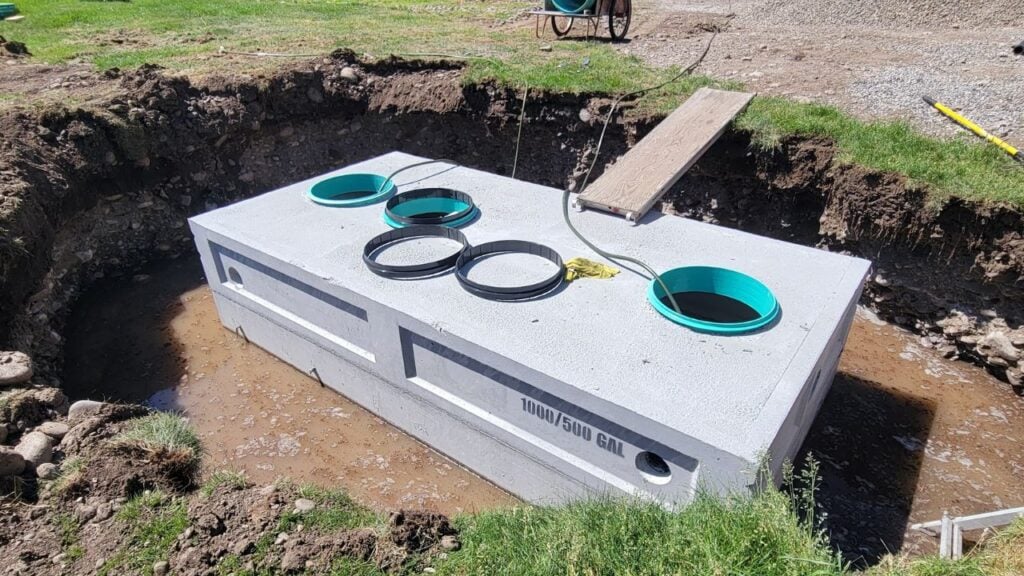
About 2.4 million North Carolinians drink straight from a private well, and many never ask the one question that protects them.
Skip the wrong check before closing, and the cost shows up months later.
8 Septic and Well Checks North Carolina Homebuyers Skip at Their Own Risk
