
6 Mississippi Myths Locals Are Tired of Correcting

Mississippi has led the entire country in one industry since the late 1980s, and out-of-staters rarely name it on the first guess.
These are the Mississippi myths locals are tired of correcting.
1. Not the River’s Delta
Locals call the stretch of farmland between Memphis and Vicksburg “the Delta.”
Out-of-staters hear that word and picture the spot where the Mississippi River finally spreads out into the Gulf of Mexico.
It isn’t that.
The Mississippi Encyclopedia states the region plainly isn’t the delta of the Mississippi River.
That geographic delta sits hundreds of miles south in Louisiana, closer to New Orleans than to any cotton field.
What residents mean by “the Delta” is an alluvial floodplain, boxed in by the river on one side and a ridge of loess bluffs on the other.
Ten core counties sit inside it, built up over thousands of years by the Mississippi and Yazoo Rivers flooding the same low ground again and again.
Not a coastline.
Delta natives from towns like Cleveland and Greenville hear the same follow-up almost every time someone catches the word: How far a drive is it to the coast?
2. Tennessee Williams’s Birthplace
The state produced one of the most celebrated playwrights in American theater, and his stage name talks people out of believing it.
Tennessee Williams was born in Columbus, Mississippi, in 1911, the son of a traveling shoe salesman and a minister’s daughter.
He picked up “Tennessee” decades later, in New Orleans, borrowing it from his father’s side of the family, who came from Knoxville.
Not a hometown tribute.
Williams left Mississippi for St. Louis at seven years old and spent most of his life somewhere else, which only makes the mix-up easier to fall for.
Anyone who brings up his name still watches people reach for Memphis or Nashville before Columbus ever crosses their mind.
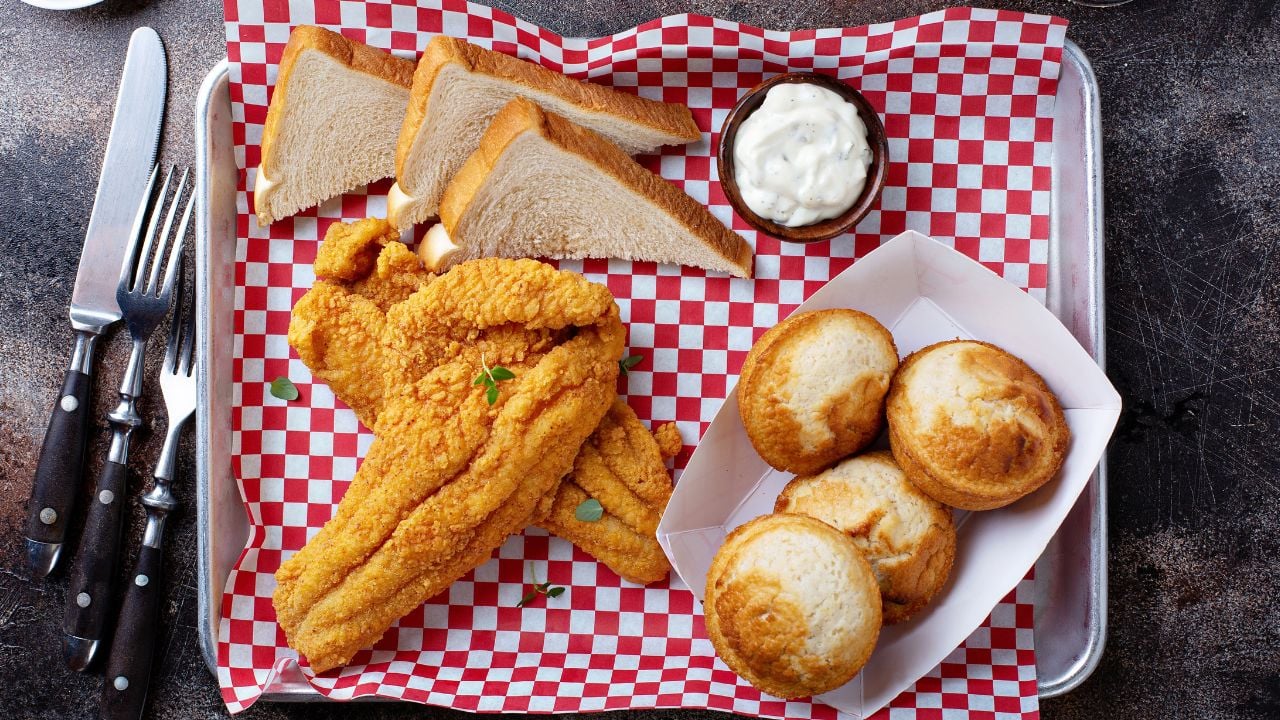
3. Catfish Capital of America
Out-of-staters guessing the country’s top catfish-producing state usually land on Louisiana or Arkansas before they ever say Mississippi.
Neither state holds the title.
Mississippi’s fish farms have led the country since the late 1980s, and Mississippi State University’s Extension Service keeps the receipts.
The Extension Service counted 29,900 acres of catfish ponds statewide as of July 2024, more than any other state.
That’s down from a peak of 130,500 acres back in 2001.
Land values shifted, and pond acreage went back to row crops over the following two decades.
The state never lost the lead through any of it.
The numbers hold up nationally too: Mississippi, Alabama, Arkansas, and Texas together supplied 96 percent of the country’s catfish sales in 2025, SeafoodSource reports.
Mississippi alone supplied more than half of the nation’s food-size catfish that year, more than every other state combined.
A yield of 7,200 pounds per acre sounds like a dry farm statistic until it lands on a plate at a fish fry in Belzoni.
The small Humphreys County town calls itself the catfish capital of the world, and nobody there feels much need to mention Louisiana at all.
Psst! How much do you know about Mississippi’s famous names and firsts? Take our quiz and see how many you can get right.
4. The Hills Nobody Pictures
A popular myth pictures Mississippi as flat cotton and rice country from one border to the other, and much of the state earns that reputation honestly.
The far northeast corner doesn’t.
Woodall Mountain sits in Tishomingo County at 806 feet above sea level, Mississippi’s highest point, in the westernmost foothills of the Appalachians.
Nothing else in the state gets close.
Tishomingo State Park wraps around it with rock formations and hiking trails that look nothing like the Delta a few counties over.
The county’s tourism office leans into the surprise on purpose.
Visitors expecting nothing but flat farmland end up climbing switchbacks instead.
People ask residents from that corner more than once if they’re sure they’re still in Mississippi.
5. Vicksburg’s Overlooked Turning Point
Mississippi hosted the Civil War moment history class tends to skip past on the way to Pennsylvania.
Confederate General John Pemberton surrendered Vicksburg to Union General Ulysses S. Grant on July 4, 1863, after weeks of siege.
Same week as Gettysburg.
The National Park Service is direct about what that surrender bought the Union: Full control of the Mississippi River, and a Confederacy cut cleanly in half.
Gettysburg ended the day before, three states away, and gets nearly all the credit for turning the war.
The popular retelling of the war’s turning point stops at Pennsylvania and rarely makes it to the Mississippi River.
6. A Surprisingly Recent First
Mississippi’s congressional delegation dates back to statehood in 1817, and many people assume every state settled the question of women in Congress decades ago.
Mississippi didn’t.
Cindy Hyde-Smith became the state’s first woman elected to Congress in a November 2018 runoff, more than two centuries after Mississippi joined the Union.
The House gap runs even longer.
As of the 2024 election, Mississippi Today reports Mississippi is the only state in the country that has never sent a woman to the U.S. House at all.
Locals who bring up Hyde-Smith’s Senate win still hear people assume a woman must have represented the state in the House by now too, and still have to correct them.
Appointed, Then Elected
Mississippi’s path to a female senator ran through two separate steps, not one.
Gov. Phil Bryant appointed Cindy Hyde-Smith in April 2018 to fill a vacant Senate seat.
She then won a special election that November to keep the seat on her own.
An appointment isn’t a public vote, so the second step is the one that made her elected rather than installed.
None of it touches the House, though.
Mississippi’s U.S. House delegation has never included a woman, appointed or elected, in the state’s entire history.
5 Mississippi Foods Out-of-Staters Refuse to Try That Locals Would Never Give Up
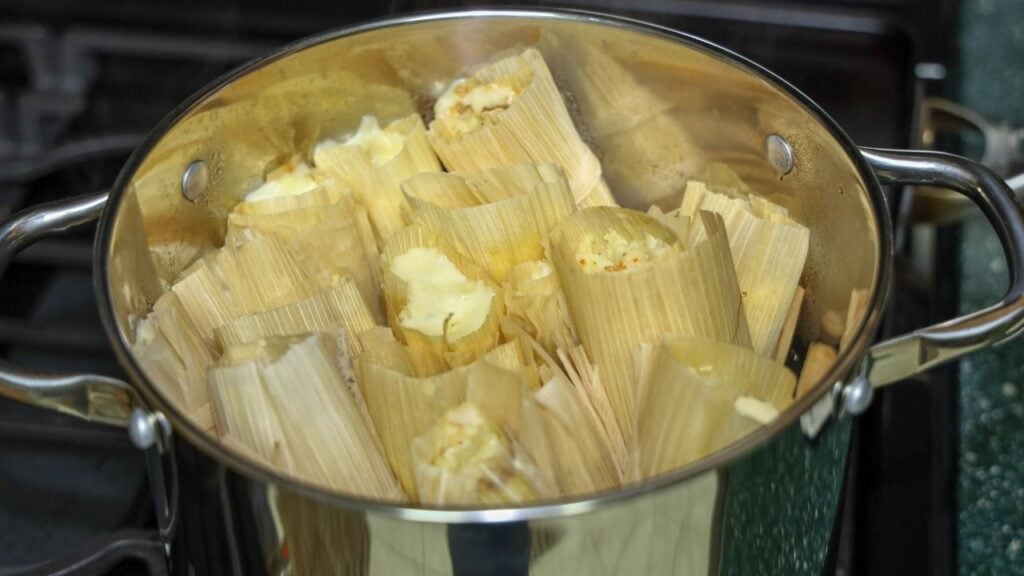
Some Mississippi snacks take three days to make before they’re ready to eat, and the wait alone talks many out-of-staters out of the first bite.
Locals never needed the convincing in the first place.
5 Mississippi Foods Out-of-Staters Refuse to Try That Locals Would Never Give Up
9 Things Mississippians Miss Most After They Move Away
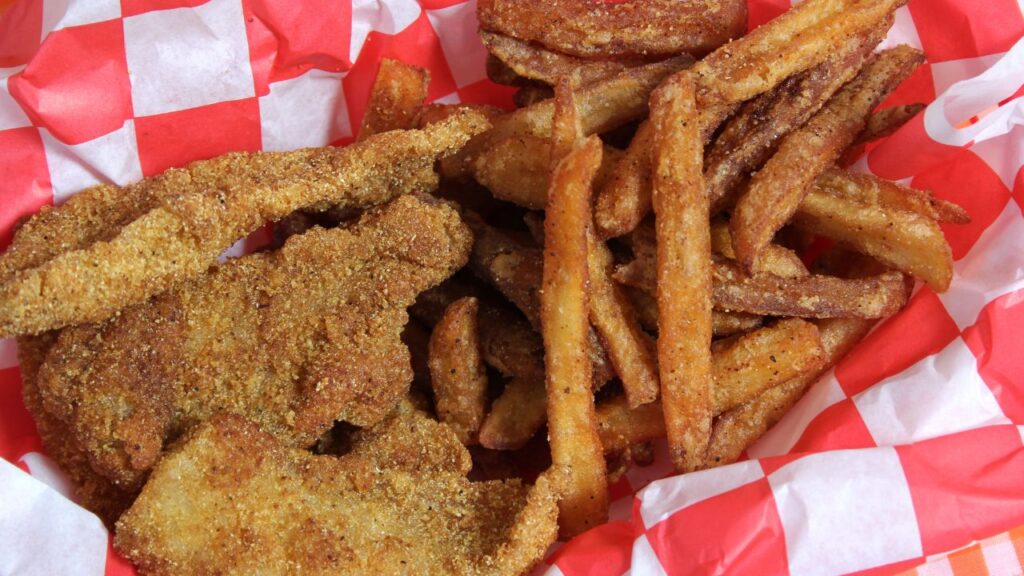
A Mississippi transplant can spot a gap on a grocery shelf a thousand miles from home, especially in the condiment aisle.
These are the things Mississippians miss most once they’ve packed up and moved away.
