
12 Things Northerners Get Wrong About Florida Winters

Florida has hit below zero.
Tallahassee bottomed out at -2°F on February 13, 1899, the coldest reading Florida’s climate office has on record.
Newcomers who picture year-round flip-flops rarely believe that number.
These are the things Northerners get wrong about Florida winters.
1. The Panhandle’s Snow Record
Winters don’t get much credit from newcomers, and the Panhandle changed that in a single weekend.
A January 2025 storm buried Pensacola International Airport under 8.9 inches of snow, smashing a two-day record that had stood since 1895.
It stood for 130 years.
Towns like Century and Chumuckla ended up with even more on the ground, past ten inches in spots, and Interstate 10 shut down across the Panhandle under the ice.
2. A Statewide Cold Snap
The state’s geography convinces many newcomers that one winter cold snap can only hurt one end of the state.
The same January week that buried the Panhandle in snow, Miami-Dade and Palm Beach broke 1909 records for their coldest temperatures in over a century.
Miami hit 35°F.
Palm Beach dropped to 31°F.
One storm reached both coasts, something the National Weather Service called the region’s coldest snap since 2010.
3. The Predictable First Freeze
Newcomers wrongly picture the first freeze as a rare event, the kind of thing that catches meteorologists off guard.
It isn’t.
Thirty years of National Weather Service climate data put Tallahassee’s average first freeze at November 25, with the first hard freeze landing by December 23.
It happens every single year.
Snowbirds who roll in expecting a tropical December are already about a month behind the pattern.
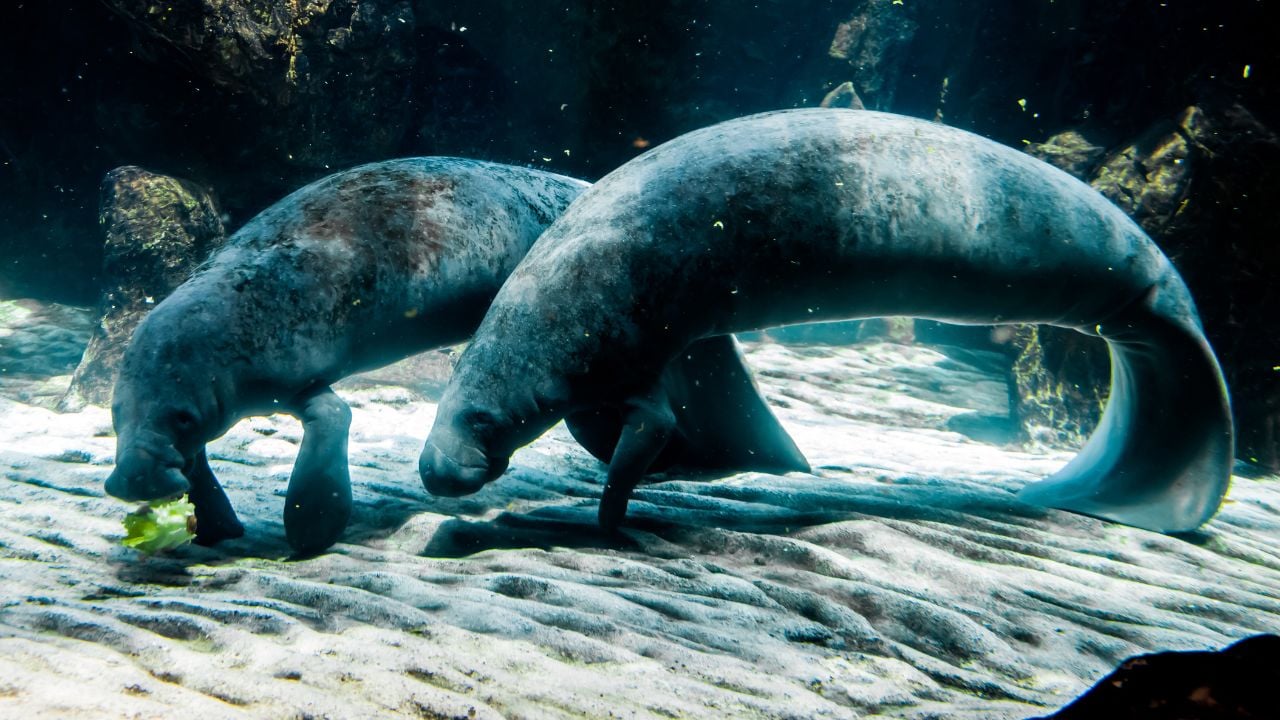
4. Manatees’ Winter Refuge
Does the state’s wildlife ride out winter untouched by the cold?
Manatees say no.
Once water temperatures slide below 68°F, manatees start losing body heat and struggling to digest their food, a condition called cold stress.
Left untreated, cold stress can kill them, according to the Florida Fish and Wildlife Conservation Commission.
That’s a medical emergency, not a metaphor.
About 60% of Florida’s manatees now lean on artificial warm water, mostly heated outflow from power plants, to survive winter.
Blue Spring’s Manatee Closure
Florida’s Blue Spring State Park closes its entire spring run to swimming, tubing, diving and paddling every year from November 15 through March 31.
That’s exactly when manatees crowd into the spring’s 72-degree water to escape the cold outside it.
Anyone in the water during that window has to keep well clear and let a manatee move on its own, under Florida’s wildlife-viewing guidelines.
Touching a manatee is a separate offense under Florida law, not just a park rule.
5. Iguanas in Free Fall
Many people never picture a famous invasive reptile falling out of a tree in winter, but a hard freeze does exactly that to iguanas.
Green iguanas are cold-blooded, and meteorologists say they go sluggish and start losing their grip on branches once temperatures drop below 50°F.
They don’t die.
They just let go of the branch.
It happens often enough that South Florida news stations run a falling-iguana forecast every time a hard freeze moves through, right alongside the regular weather.
6. Citrus Groves Under Ice
A single winter’s hard freeze can wipe out an entire season of the state’s citrus crop.
Growers treat every cold night as a threat.
Growers run overhead microirrigation systems that coat trees in a fine layer of water when frost threatens.
As that water freezes, it releases just enough heat to keep the fruit and buds from freezing solid.
Ice protects the crop.
Growers have planted and pruned around freezing nights since Spanish settlers first grew citrus here.
They still watch the forecast every winter like it’s harvest day.
7. The Grid’s Winter Peak
Florida’s power demand hit its highest point of the year this past February, in the heart of winter, not during the usual August heat.
A hard freeze pushed Seminole Electric’s preliminary peak demand to 4,421 megawatts.
Clay Electric set a record that same week, at 998 megawatts.
That record came in winter.
Duke Energy asked customers to hold off on laundry and the dishwasher during the coldest morning hours.
That’s the same kind of appeal people are used to hearing in July, not February.
8. Electric Heat’s Cold Problem
Your home was built to beat summer heat, not winter cold, and the wiring shows it.
Close to nine in ten Florida households heat with electricity, the same reporting on the February cold snap found.
Those systems run far less efficiently than the state’s air conditioners.
Cold costs more.
The bill spikes harder from a cold week than from a hot one.
A heat pump that breezes through a 95-degree afternoon can struggle to keep a living room above 65 once the outside temperature drops into the 30s.
Psst! How much do you know about Florida winters? Flip each card to find out.
9. Dry Season, Not Rainy Season
Out-of-staters picture year-round rain in a state this far south, but the state turns dry each winter.
The state’s dry season typically takes hold by mid-October and runs through mid-May, when cold fronts push through with thin bands of rain instead of the daily summer downpours.
Less rain falls, not more.
A cold front might bring a quick shower and a gusty afternoon, then clear skies for a week or two before the next one rolls through.
10. Beach Wind Chill
Does the state’s heat cancel out a winter wind chill at the beach?
The National Weather Service says otherwise.
When a strong cold front sweeps through, it issues wind chill advisories for Florida counties.
Numbers can drop into the 20s and 30s, colder still in exposed spots along the coast.
That’s cold enough to sting.
Boaters and anglers get hit hardest, since wind off open water cuts through a jacket faster than the same temperature does standing in a parking lot.
11. Snowbird Season’s Length
Many Northerners picture a snowbird’s winter stay as a two-week trip squeezed around the holidays.
That season runs far longer.
A 2005 University of Florida study found the state’s elderly population alone swelled by an estimated 818,000 seasonal residents at that winter’s peak.
Many snowbirds plan on staying a month at minimum, not two weeks.
That’s close to a 20% swing in the older population between winter’s peak and summer’s low.
A favorite restaurant can have a wait in February that never happens in July.
12. The Cold After Christmas
Winter’s coldest stretch usually lands weeks after the holiday crowd goes home, not during it.
The Panhandle’s record snow landed on January 21, and the statewide cold snap that broke Miami-Dade and Palm Beach’s century-old records arrived that same week, well after New Year’s.
February isn’t safe either.
That same month a year later brought the cold snap that set new records on the state’s power grid.
Northerners who leave after New Year’s miss both stretches.
The National Weather Service keeps its freeze-warning season for North Florida open until mid-March, past the point when most seasonal visitors have already headed home.
Florida’s citrus growers still watch the forecast on those late cold nights, running the same frost protection they use in January.
15 Things Florida Snowbirds Do at Publix That Give Them Away in Seconds

Publix has been remodeling stores onto a new format since 2025, and the aisles a snowbird left in April aren’t always the aisles they come back to in November.
The giveaways stack up fast, from the cart to the checkout line, long before anyone asks how the flight down was.
15 Things Florida Snowbirds Do at Publix That Give Them Away in Seconds
8 Boat Registration Renewal Traps That Catch Floridians Off Guard
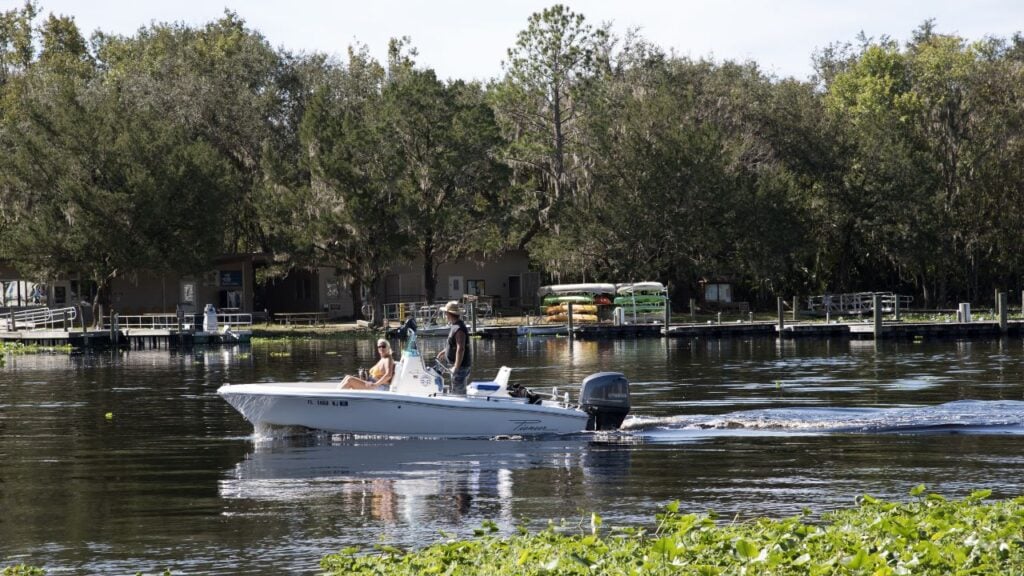
The most expensive part of owning a boat in Florida isn’t always what breaks out on the water.
Sometimes it’s a small registration detail an owner doesn’t discover until an officer asks to see the paperwork.
8 Boat Registration Renewal Traps That Catch Floridians Off Guard
