
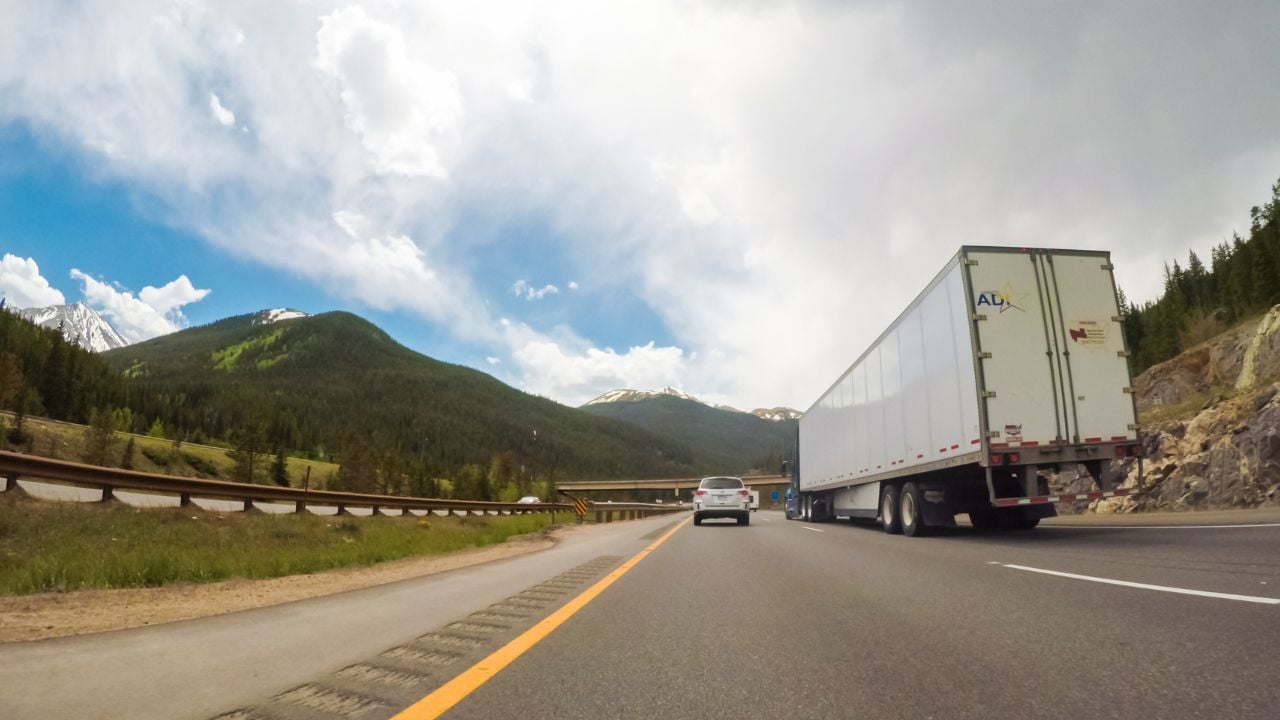
7 Colorado I-70 Traction Law Rules Out-of-State Skiers Learn the Hard Way

Heading up to the Colorado slopes this winter?
The state’s traction rules are easy to miss if you’re not from around there.
Here’s what visiting skiers should know before the climb.
Note: This is general information, not legal advice. Traction Law requirements and fines are subject to change, so confirm the current rules with the Colorado Department of Transportation.
1. Active Nine Months a Year
Colorado’s Traction Law runs on the calendar, not the forecast.
It’s in effect every year from September 1 through May 31 on Interstate 70 between Dotsero and Morrison.
No snow required.
You can cross that stretch on a dry October afternoon and still fall under the rule.
The calendar decides, not the sky.
The Colorado Department of Transportation (CDOT) can also switch the same rule on for other state highways once conditions call for it.
The law isn’t limited to that one interstate.
So a trooper can write you a Traction Law ticket on a clear, dry afternoon, weeks before the season’s first snow.
2. Two-Wheel Drive’s One Option
Colorado State Patrol holds two-wheel-drive cars to a stricter Traction Law standard than everything else on the road.
If your car is two-wheel drive, it needs chains or an approved alternative traction device on two drive tires every time the Traction Law is active.
Tire tread doesn’t matter.
The state’s current guidance is direct about it: Upgrading to all-season, mud-and-snow, or even mountain-snowflake-rated tires won’t change the outcome for your two-wheel-drive car.
If you’ve never shopped for one, an approved traction device is sometimes sold under brand names like auto socks.
It straps a textile cover over the tread instead of wrapping the whole wheel the way a traditional chain does.
If you’re renting, a sedan is the classic two-wheel-drive case.
Book an economy car at Denver International Airport, and that’s enough to land you in a two-wheel-drive vehicle.
Chains or an approved traction device are the only way that car clears the Traction Law, no matter what tires it’s riding on.
3. Tire-Only Exception
All-wheel-drive and four-wheel-drive vehicles get a second path under Colorado’s Traction Law.
That path comes with fine print.
Your tires have to carry one of three ratings: Mountain-snowflake, M+S, or all-weather, plus at least 3/16 inch of tread.
Plain all-season tires don’t make that list.
Check yours before you go.
Colorado State Patrol draws that line for a reason.
An all-season rating is based on tread geometry, not on a tested snow-traction standard the way all-weather and mountain-snowflake tires are.
So your all-wheel-drive rental can look perfectly capable on ordinary all-season tires and still fail the Traction Law’s tire option.
If that’s your situation, chains or an approved traction device still clear the law, exactly as they do for a two-wheel-drive car.
How to Check 3/16 Inch
Colorado’s 3/16-inch tread standard sits deeper than the two quick checks you’ve probably used.
The penny test flags a tire as worn out once tread drops to about 2/32 of an inch.
The quarter test moves that warning line up to about 4/32 of an inch, still short of Colorado’s 6/32-inch bar.
So your tire can pass the quarter test with room to spare and still fail Colorado’s Traction Law.
4. Rental-Car Warning Rule
Rental companies now carry an obligation under Colorado’s Traction Law: Telling you it exists.
Senate Bill 69, signed in May 2025, created that notification requirement.
You might get that notice one of three ways: A verbal heads-up, a notice inside the app at online check-in, or a sign posted in the vehicle.
Nothing in the law requires all three at once.
And the law doesn’t require the company to check whether the tires on your car meet the tread standard.
Lawmakers pushed the requirement after Colorado State Patrol flagged a pattern.
A large share of the drivers troopers cite for traction violations are driving rental cars.
The same goes for many of the drivers who cause delays on I-70 after flying into Denver International Airport.
So you can hear the notice, read the sign, and still drive off in a car whose tires don’t clear the tread bar.
The ticket’s still yours.
5. Fine Before the Crash
Colorado State Patrol doesn’t wait for a fender-bender to write a Traction Law ticket.
A basic violation, driving I-70 without the required tires, chains, or an alternative traction device, carries a fine of more than $130.
That number rises past $650 the moment your unequipped vehicle blocks a lane of traffic.
No collision required.
If your rental sedan stalls across a travel lane near Georgetown, that counts as a lane closure, even with no other car anywhere close.
CDOT’s definition of that trigger is exact: A travel lane closed in either direction, full stop.
6. One Storm From a Harder Rule
The Traction Law can turn into a much stricter rule overnight.
CDOT calls that the Chain Law, and it requires chains or an approved alternative traction device on every vehicle, yours included, no matter the tread or the drivetrain.
No exceptions.
CDOT changes the requirement for the whole corridor at once, not vehicle by vehicle, so your setup doesn’t buy you a pass.
Psst! How much do you know about Colorado’s mountain highways? Take our quiz and see if you can ace it.
Quiz
Colorado Mountain Highway IQ
Nine questions on the passes, tunnels, and history behind I-70. See how many you can get right.
The Eisenhower-Johnson Memorial Tunnel carries I-70 under the Continental Divide at roughly what elevation?
7. Scheduled Chain-Carry Checks
Colorado State Patrol schedules chain checks under the Traction Law for the exact days when the roads look fine.
The agency calls these operations proactive chain-carry checks, and they run along the I-70 corridor from Glenwood Springs to Golden.
Troopers plan them for stretches when the weather isn't inclement.
They do it on purpose.
The goal, as Colorado State Patrol describes it, is compliance before a storm ever arrives, not cleanup after one.
You can cross that stretch under a clear sky, with no snow in the forecast, and still roll into one of these checks with the wrong tires on.
10 Home Features That Make Insurance More Expensive in Colorado
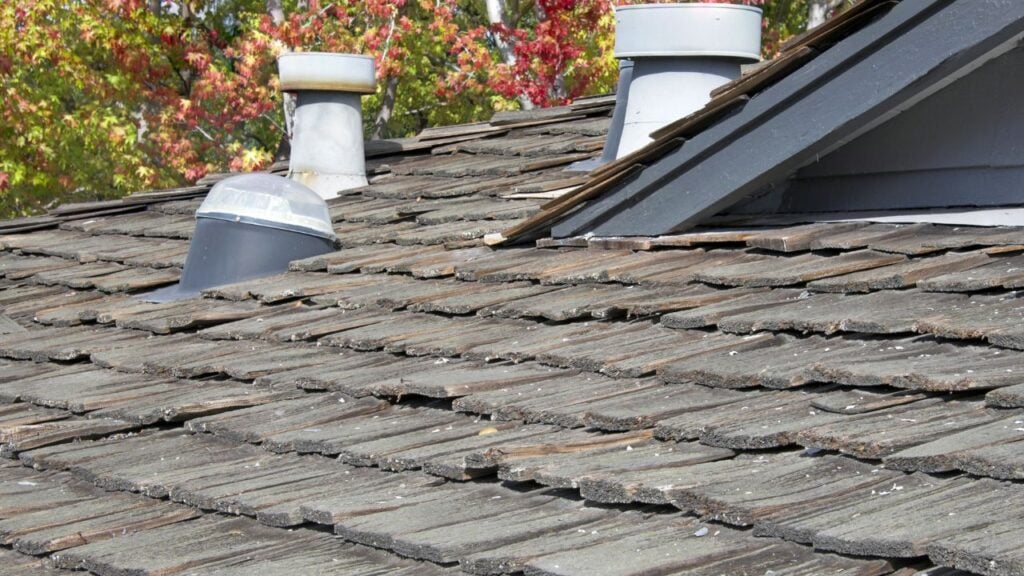
A finished basement or a wood shake roof looks like a selling point until the insurance quote lands.
Colorado homeowners are finding out which upgrades double their premium.
10 Home Features That Make Insurance More Expensive in Colorado
7 Local Customs New Colorado Residents Accidentally Break
Moving to Colorado comes with an unwritten rulebook nobody hands over at closing.
New residents break these customs before they've even unpacked the moving truck.
