
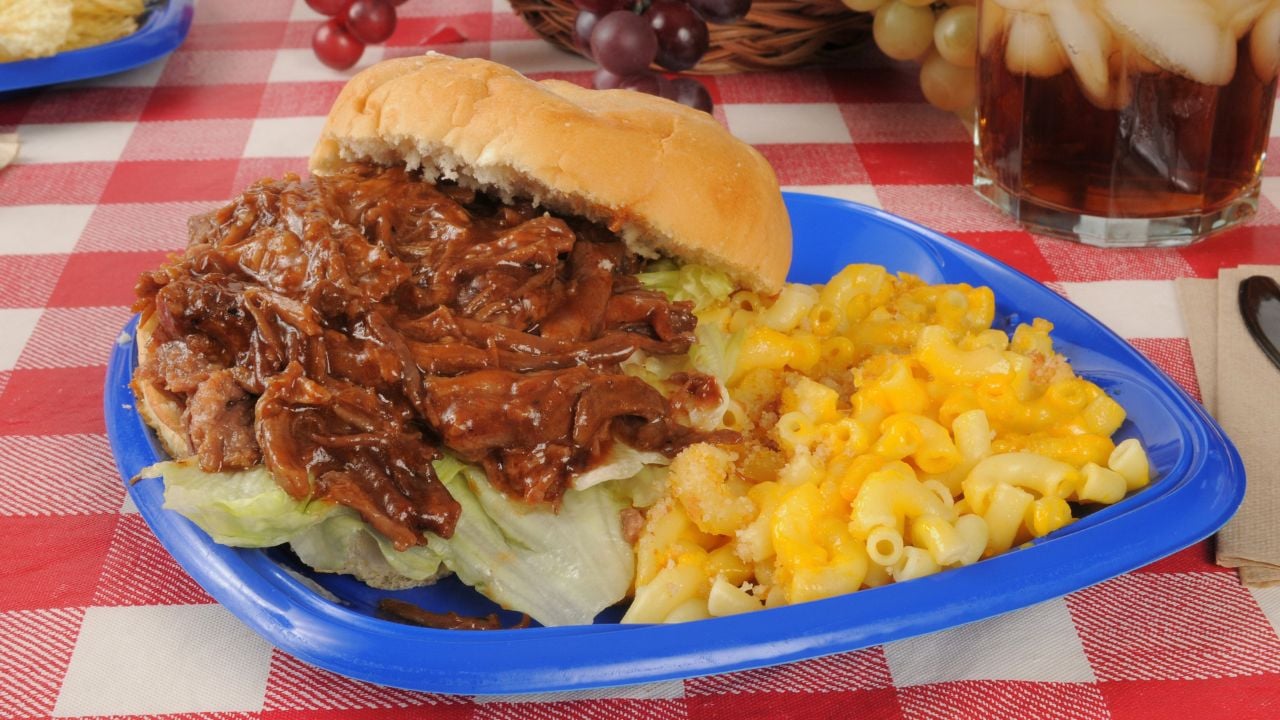
7 Things People Get Wrong About South Carolina Barbecue Sauce

Order barbecue in South Carolina, and the first question may be about which sauce you want.
South Carolinians swear by the sauce they grew up with. But there’s more to the story than any single bottle.
Here are some barbecue sauce facts that may surprise you.
1. Four Sauces, Not One
The State Picnic Cuisine law, Act 231, was approved on June 2, 2014, and its preamble names four sauces.
They’re vinegar and pepper, mustard, light tomato and heavy tomato.
Many people expect one sauce.
South Carolina’s Department of Parks, Recreation and Tourism lists the same four as the basic types, and says you can sometimes find all four on one menu.
The University of South Carolina’s state encyclopedia says there are at least four basic types, so you shouldn’t treat four as a hard limit.
2. Mustard’s German Roots
Mustard barbecue sauce can be traced to German settlers from the 18th century, according to a fact sheet from the same department.
A 2015 Columbia Metropolitan Magazine story agrees: South Carolina’s Germans were fond of pork with mustard and created a mustard-based sauce.
Discover South Carolina, the state’s tourism site, says the Midlands is known for a mustard-style sauce, so that’s the region where you’ll want to try it.
That sauce is often credited as the unofficial sauce of South Carolina.
3. Not Just Yellow Mustard
Many people assume mustard barbecue sauce is yellow mustard and nothing else.
The fact sheet’s recipe starts with 4 cups of yellow mustard, and it says two 20-ounce bottles of French’s should be enough.
Beer comes next, 8 ounces of it, followed by half a cup of apple cider vinegar.
Brown sugar, tomato puree and Worcestershire sauce follow, and you finish with cayenne, black pepper, salt and garlic powder.
The batch makes about 6 cups.
You heat everything over medium heat until the sauce just begins to thicken, and you can serve it cool or warm.
4. Vinegar and Pepper’s Age Claim
WMBF News, the Myrtle Beach TV station, reported in 2017 that vinegar and pepper sauce is perhaps the oldest sauce in the nation, its origins traced back hundreds of years.
The coast tends to favor it, and its acidity pairs well with pork and turns up the heat on your barbecue.
The tourism department makes a similar claim, saying the vinegar and pepper sauce popular along the coast may be the oldest in the nation.
Both sources hedge.
The department’s recipe has you boil 3 cups of apple cider vinegar with red pepper flakes, black pepper and salt.
Ketchup and brown sugar go in next, and the sauce simmers for 30 minutes.
Psst! How much do you know about South Carolina food? Take our quiz and see if you can ace it.
Quiz
South Carolina Food IQ
Answer nine questions on South Carolina barbecue and food. We bet you can’t get them all right. Prove us wrong?
Many barbecue restaurants in South Carolina post a familiar sign about wasting food. What does it say?
5. Light Tomato
If you're in the Pee Dee, light tomato is the popular barbecue sauce, according to the same 2017 report.
If you've had vinegar and pepper sauce, picture it with ketchup added for sweetness.
The encyclopedia describes the Pee Dee's sauces as watery thin and fiery hot, built on pepper and vinegar.
6. Finishing Sauces
The preamble to Act 231 calls the state's barbecue sauces "finishing sauces."
It also says South Carolina is the only state where one can find all four of them, which is the legislature's claim.
Baste, Douse or Skip
Cooks in South Carolina put barbecue sauce on the meat in three different ways, according to the state encyclopedia.
Some use it as a baster while the meat cooks.
Others douse the meat with it once the cooking is done.
And sometimes the meat is served with no sauce at all, which leaves the choice to you.
7. Upstate's Sweet Side
Discover South Carolina says Upstate barbecue is a sweet tradition, and the sweetness isn't only in the sauce.
Peppery tomato and milder ketchup-based barbecue sauces are the favorites in the Upstate and along the Savannah River, the encyclopedia says.
For a tomato sauce to try at home, the recipe calls for 4 cups of tomato juice and 1 cup of white vinegar.
Brown sugar, dry mustard, paprika and allspice go in too, and you cook it over low heat for 2 hours.
Carolina Red
Carolina Red barbecue sauce is one of four recipes on the tourism department's fact sheet, alongside Tomato, Mustard and Vinegar & Pepper.
The recipe has you mix a cup and a half of apple cider vinegar with half a cup of ketchup, brown sugar, salt and crushed red pepper.
It's the only one of the four with no cooking step, since you combine everything in a small bowl and stir until the sugar and salt dissolve.
You can make it 2 to 3 days ahead, then cover it and refrigerate it, and the batch makes about 2 cups.
If you find it too tart, add more ketchup and brown sugar.
Heavy Tomato on the Shelf
A 2017 report from the Myrtle Beach station says people sometimes call heavy tomato barbecue sauce a tomato and sugar sauce.
People in the state's western and northwestern corner prefer heavy tomato for its sweet flavor.
Heavy tomato is also the kind of barbecue sauce you'll often find on grocery store shelves in many parts of the United States.
7 Unwritten Oyster Roast Rules Visitors Break in South Carolina's Lowcountry
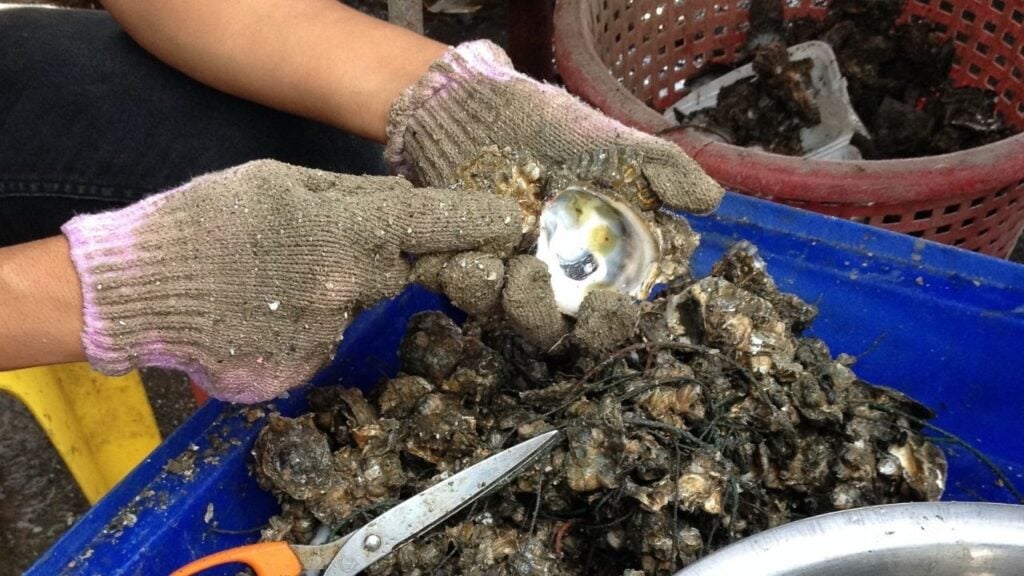
Oyster roasts in the Lowcountry come with etiquette that many people don't write down.
Visitors tend to break a few before the first shovelful hits the table.
7 Unwritten Oyster Roast Rules Visitors Break in South Carolina's Lowcountry
9 Foods South Carolinians Call Something Different From Other Americans
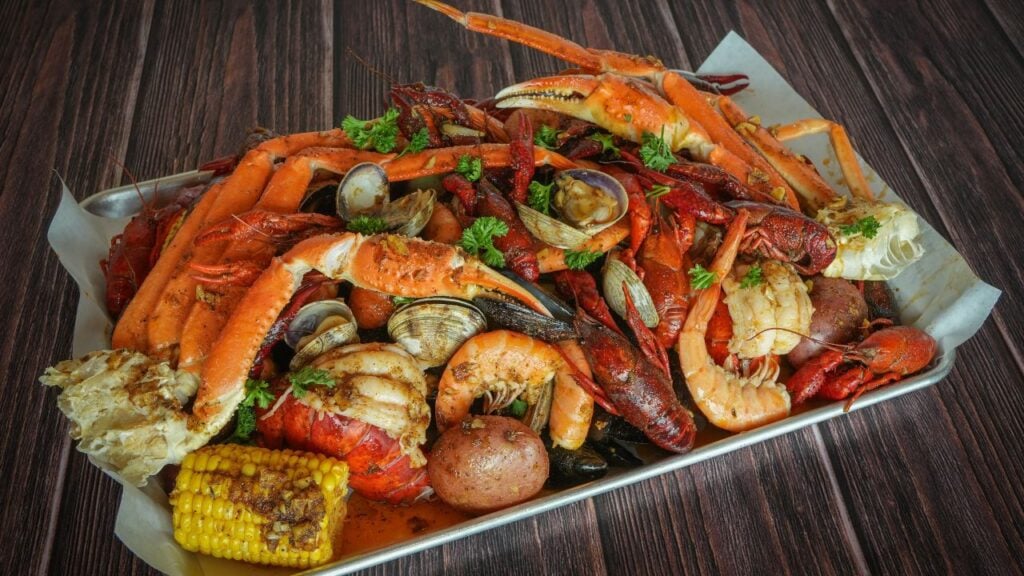
South Carolinians don't always call their food what the rest of the country does.
Many other Americans would need a translation.
9 Foods South Carolinians Call Something Different From Other Americans
