

10 Supplies Virginia Renters Wish They Had During Their First Home Emergency

Nobody signs a lease thinking about a burst pipe or a long power outage.
Virginians renting their first place can save themselves the scramble by stocking a few basics ahead of time.
Here are the supplies new renters wish they’d had on hand.
Note: This is general information, not legal or insurance advice. Rental rules and coverage terms are subject to change.
1. Water Jugs
The Virginia Department of Health’s water rule is one gallon per person for each day, for at least three days.
If you live alone, you’re stocking at least three gallons.
Two roommates need at least six.
For home, the American Red Cross lists a two-week supply of water and non-perishable food, and a three-day supply for evacuation.
Many renters wish they’d stocked water sooner.
Jugs fit in the back of a closet or under a bed, so you don’t need a pantry to store them.
2. Flashlights and Spare Batteries
If the power goes out, the U.S. Fire Administration says to use flashlights, not candles.
Ready.gov’s basic kit list pairs the flashlight with extra batteries.
Buy the batteries when you buy the flashlight, and tape the spare set to the handle.
Store it somewhere you can find it in the dark, like a nightstand drawer, not the junk drawer.
Test it tonight.
3. Weather Radio
The basic kit list also calls for a battery-powered or hand-crank radio.
It includes a National Oceanic and Atmospheric Administration Weather Radio with tone alert.
The Virginia Department of Health says the Atlantic hurricane season begins June 1.
Inland areas of Virginia may face flooding, high winds and the risk of tornadoes during a hurricane.
Hurricanes and tropical storms can also lead to long-lasting power outages.
A radio keeps you informed after your TV stops working.
4. Backup Phone Battery
The kit list puts a backup battery for your cell phone right beside the chargers.
Your phone is how you reach the landlord’s maintenance line, check the forecast and call for help.
Power banks cover all three.
A power bank only helps if it’s full, so fill it before a storm.
5. Cooler and Thermometers
The Centers for Disease Control and Prevention (CDC) says that if the doors stay closed, food stays safe for up to 4 hours in a refrigerator.
A full freezer keeps food safe for up to 48 hours with the doors closed, and a half-full freezer for up to 24.
Once the power’s been out for 4 hours, move perishable food into a cooler packed with ice or frozen gel packs.
Keep appliance thermometers in your refrigerator and freezer, so you’re checking a number instead of guessing.
Check the temperature of food in your cooler or refrigerator, and throw out food that has thawed or is above 40°F.
Thawed frozen food that still has ice crystals, or is at 40°F or below, can be refrozen or cooked, according to the agency.
Psst! How much do you know about emergency basics for renters? Take our quiz and see if you can ace it.
Quiz
Renter Emergency IQ
Answer nine questions on emergency basics for renters. We bet you can’t get them all right. Prove us wrong?
In a winter outage, which of these does the CDC say you should never use to heat your house?
6. Manual Can Opener
Ready.gov's list pairs a several-day supply of non-perishable food with a manual can opener.
Many plug-in can openers need an outlet, so they can't open anything when the power's out.
Store the opener next to your flashlight, and you'll reach both in the dark.
Pick cans you'd eat cold, like beans, tuna or soup.
7. Fire Extinguisher
The U.S. Fire Administration says a multipurpose A-B-C fire extinguisher covers three kinds of fire.
That's ordinary materials like cloth, wood and paper, flammable liquids like grease, and electrical equipment.
Pick the largest extinguisher you can safely and comfortably operate.
If you're unsure the fire is safe to fight, alert others, leave the building and call 911 from a mobile or neighbor's phone.
8. Carbon Monoxide Alarm
The CDC says to put a battery-operated or battery back-up carbon monoxide alarm near every sleeping area in your home.
More than 400 Americans die each year from unintentional carbon monoxide poisoning that has nothing to do with fires.
Go look near your bedroom.
If there's no alarm, you can add a battery-operated carbon monoxide alarm.
What Virginia Law Says About Rental Alarms
Under Virginia's landlord-tenant law, a landlord has to provide a certificate stating that all smoke alarms are present, have been inspected and are in good working order.
Virginia's tenant rules bar you from removing or tampering with a working smoke or carbon monoxide alarm the landlord installed, including taking out its working batteries.
A chirping alarm is a reason to contact your landlord, not to pull the battery.
9. Waterproof Document Box
A waterproof box protects the papers you'd need after a flood or a burst pipe.
The Virginia Department of Health lists important family documents in its home kit and says to store the kit in watertight containers.
The Red Cross names the papers to copy, including proof of address, your lease and your insurance policies.
Under Virginia's landlord-tenant law, your landlord has to give you a copy of the signed written rental agreement within 10 business days of its effective date.
Your landlord also has to give you the statement of tenant rights and responsibilities developed by the Virginia Department of Housing and Community Development.
Family and emergency contact information is on the list too, so write down your landlord's maintenance number and keep it in the box.
10. Wrench or Pliers
Ready.gov's basic kit list includes a wrench or pliers for turning off utilities.
Virginia's landlord-tenant law makes your landlord responsible for keeping in good working order the electrical, plumbing, heating and air-conditioning facilities and appliances the landlord supplies or is required to supply.
Ask your landlord where the shutoffs are and whether you're allowed to use them.
What Landlord Insurance Skips
Your landlord's insurance policy covers only the cost of repairing the building, according to the Insurance Information Institute.
That leaves your couch, laptop and clothes to a renters policy, if you've bought one.
Most renters insurance policies don't cover floods.
Flood protection comes from separate coverage through the National Flood Insurance Program or a private insurer.
The program offers a contents-only policy that protects a renter's belongings from flood damage.
When you shop for renters coverage, look for the word flood.
Heat, Water and Landlord Entry
Virginia's landlord-tenant law has your landlord supply running water, reasonable amounts of hot water and heat in season.
The exception is a unit built so the tenant controls the heat or hot water, or they come through a direct public utility connection.
In very cold weather, the Red Cross says to let cold water drip from the faucet served by exposed pipes.
Open kitchen and bathroom cabinet doors so warmer air reaches the plumbing.
Your landlord may enter your unit without your consent in case of emergency.
Outside an emergency, the landlord has to give you notice of the intent to enter and may enter only at reasonable times.
9 Conversations Virginia Families Put Off Until an Emergency Forces Them

Some family conversations are easier to have before an emergency than during it.
It's easy to keep putting them off.
9 Conversations Virginia Families Put Off Until an Emergency Forces Them
8 Virginia Battlefield Towns Worth More Than a Drive-Through
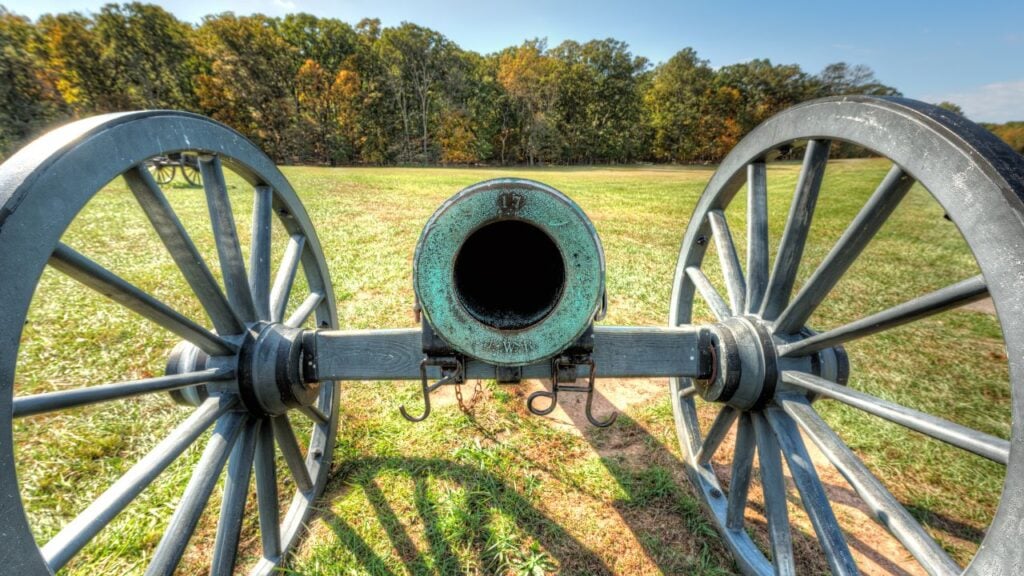
Some Virginia battlefields sit right beside a town worth a stop.
A short detour is all it takes.
8 Virginia Battlefield Towns Worth More Than a Drive-Through
