
8 Virginia Battlefield Towns Worth More Than a Drive-Through

Virginia and Tennessee saw more Civil War fighting than any other states, according to the American Battlefield Trust.
A lot of those battlefields sit right next to a town many drivers never stop in.
They’re missing out, if you ask us.
These are the Virginia battlefield towns worth more than a drive-through.
1. Appomattox
Appomattox is where the Civil War effectively ended, and the town built around that fact still gives visitors somewhere to go afterward.
Robert E. Lee surrendered the Army of Northern Virginia to Ulysses S. Grant inside the McLean House on April 9, 1865.
That’s now Appomattox Court House National Historical Park, a National Park Service site with over a dozen restored buildings sitting about three miles from downtown.
Three miles, not zero.
Downtown, the American Civil War Museum covers the war’s final days in its 11,700-square-foot building.
The Carver-Price Legacy Museum tells the story of the town’s segregated school a few blocks over.
Antique shops and small local cafes fill the rest of Main Street.
Skip the town, and a visitor gets a surrender site and nothing to do with the rest of the afternoon.
2. Culpeper
Culpeper’s downtown sits beside one of the state’s newest battlefield parks.
Then-Gov. Glenn Youngkin dedicated Culpeper Battlefields State Park on June 8, 2024.
It now protects pieces of the Brandy Station battlefield outside town and the Cedar Mountain battlefield about six miles south.
Brandy Station, fought on June 9, 1863, is widely called the largest cavalry battle ever fought on the continent.
The Museum of Culpeper History walks visitors through that fight along with the town’s colonial and Native American history.
It sits a few blocks from the restored 1904 train depot.
A Farmers Market and a Third Thursday concert series keep Commerce Street busy on weeknights.
Culpeper isn’t a footnote here.
Stuart’s cavalry and Pleasonton’s Union horsemen fought within sight of where the town’s shops now stand.
3. Gordonsville
This small town ran the Confederacy’s medical triage for four straight years, and the building that did it is still standing on Gordonsville’s Main Street.
Two rail lines crossed in the town, so the Exchange Hotel became a receiving hospital in March 1862.
It treated close to 70,000 sick and wounded soldiers from both sides before the war ended.
It’s a museum now.
Walk out its front door, and lunch is waiting at Barbecue Exchange.
Jackson & Co. serves the coffee next door.
A handful of shops now fill the buildings that were standing when the wounded arrived by train.
A cluster of wineries, including Barboursville and Horton, sits a short drive outside town.
Fewer than 1,500 people live in Gordonsville, and the town still pulls a steady stream of day-trippers off Route 15.
4. Warrenton
Warrenton’s Civil War history belongs to a town that changed hands, not one that saw battle.
John Singleton Mosby’s Rangers raided the town whenever Union troops occupied it.
Mosby later moved his family there, practiced law, and is buried in the town cemetery today.
He never left.
The 1808 Old Jail now runs as a history museum with Mosby and Black Horse Cavalry artifacts on display, plus exhibits on the county’s pre-war justice system.
Not everything downtown is that old.
Warrenton’s Old Town also carries a working brewery, a bakery, and restaurants inside storefronts that a numbered walking guide traces back through their architectural history.
The Warrenton Cemetery holds close to 1,000 Confederate soldiers from every state that seceded.
Warrenton Never Saw a Major Battle, and a Marker There Says So
A Virginia Civil War Trails marker at the town cemetery says Warrenton was spared major battles during the war.
That same marker puts the number of times the town changed hands at 67.
The fighting that did happen struck the county around Warrenton instead.
Confederate and Union cavalry fought the Battle of Buckland Mills along the Warrenton Turnpike on October 19, 1863, a clash Confederates still call the Buckland Races.
Similar cavalry skirmishes flared at nearby Auburn just days earlier.
5. Front Royal
Front Royal’s battle came on May 23, 1862, when Stonewall Jackson’s troops surprised a Union garrison there during his 1862 Valley Campaign.
Historian Peter Cozzens counted 773 Union casualties there, most of them captured, against 36 for the Confederates.
The Warren Rifles Confederate Museum, run by the Warren Rifles Chapter of the United Daughters of the Confederacy, holds Belle Boyd’s effects along with Stonewall Jackson and Mosby’s Rangers memorabilia.
Small museum, big history.
The war isn’t Front Royal’s only draw, though.
It’s also the northern entrance to Skyline Drive and Shenandoah National Park.
Front Royal’s walkable historic downtown carries more than 160 businesses.
Many drivers on Skyline Drive never slow down for any of them.
6. Strasburg
The town of Strasburg calls itself the Antique Capital of Virginia, and the label has nothing to do with the fighting that happened at its back door.
Confederate Gen. Jubal Early’s army dug in south of town at Fisher’s Hill on September 21-22, 1864.
Philip Sheridan’s Union troops flanked the position and broke it, driving Early’s army further up the Shenandoah Valley.
A local history museum sits inside the town’s visitor center at Hupp’s Hill, a few minutes north of the battlefield.
None of that explains the antiques.
That’s a different reputation.
The Strasburg Emporium pulls antique hunters from well outside Virginia.
Downtown murals from the nonprofit Staufferstadt Arts add a second reason to park the car that has nothing to do with 1864.
7. Middletown
Middletown had the Civil War pass straight through its Main Street, not around it.
On October 19, 1864, Jubal Early’s Confederates launched a predawn attack that drove Union troops through the town in disarray.
Sheridan’s afternoon counterattack turned the fighting around, and the National Park Service counts 7,682 combined casualties in what became a decisive Union win.
Belle Grove Plantation, the 1790s manor house Sheridan used as his headquarters, still sits on the edge of town and opens for tours.
Sheridan slept there first.
The war left the buildings standing.
The 1797 Wayside Inn on Main Street recently reopened its dining room as Clem’s Kitchen.
That gives Middletown a reason to stop that has nothing to do with a park entrance sign.
8. New Market
New Market sent teenagers into a Civil War battle and built its whole identity around what happened next.
On May 15, 1864, cadets from the Virginia Military Institute, some as young as 15, marched into the fight and helped break the Union line.
The Virginia Museum of the Civil War now sits on that same 300-acre battlefield, with a Civil War firearms gallery and an Emmy-winning documentary that screens hourly.
The town itself holds just over 2,300 people.
That’s the whole town.
Endless Caverns still runs cave tours a few miles south of Main Street, and the Shenvalee Golf Course fills its tee sheet on weekends.
The Southern Kitchen has served fried chicken on Congress Street since 1955.
A visitor has reasons to stop in New Market before ever reaching the battlefield gate.
Three Kinds of Civil War Sites
Battlefield towns sit next to three kinds of sites, and no two follow the same playbook.
A National Park Service site, like Appomattox Court House, is federally run and usually free to enter.
A state historical park, like New Market Battlefield, answers to Virginia or the Virginia Military Institute (VMI).
Some charge admission to the museum building even when the grounds stay free.
A town museum like the Exchange Hotel usually runs on local volunteers, so its hours shift with the season.
Call ahead before building a whole afternoon around one of these town museums.
Psst! Tap a column to sort these eight towns your way, or type your route into the search box below.
Why This History Clusters in Virginia
Virginia and Tennessee carry more of this battlefield history than the rest of the country, for a simple reason.
Virginia and Tennessee saw more Civil War fighting than any other states, according to the American Battlefield Trust.
Several National Park Service sites across the state now preserve pieces of that fighting.
Location decided that.
Richmond sat as the Confederate capital for most of the war, and Washington, D.C. sat less than a hundred miles north the entire time.
Armies crossed the same railroads and turnpikes over and over chasing the ground between those two cities.
Congress established the Shenandoah Valley as a National Heritage Area in 1996, and the designation now covers eight counties across the valley.
The Shenandoah Valley Battlefields Foundation has preserved more than 8,000 acres of that ground through upwards of 90 separate land deals, work that continues away from any single downtown.
9 Reasons Virginians Say Tourists See the Blue Ridge Parkway All Wrong
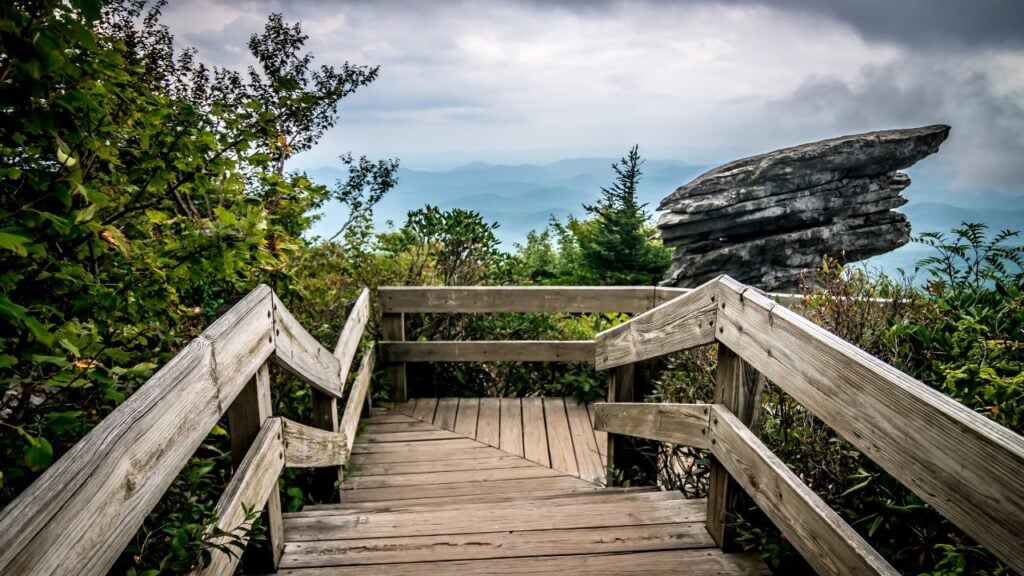
A driver eases onto the Blue Ridge Parkway at Rockfish Gap and expects the same conveniences as every other highway in Virginia.
A driver learns otherwise within the first mile, and Virginians know exactly where that happens.
9 Reasons Virginians Say Tourists See the Blue Ridge Parkway All Wrong
3 Virginia Ferry Rides Locals Take That Tourists Never Hear About
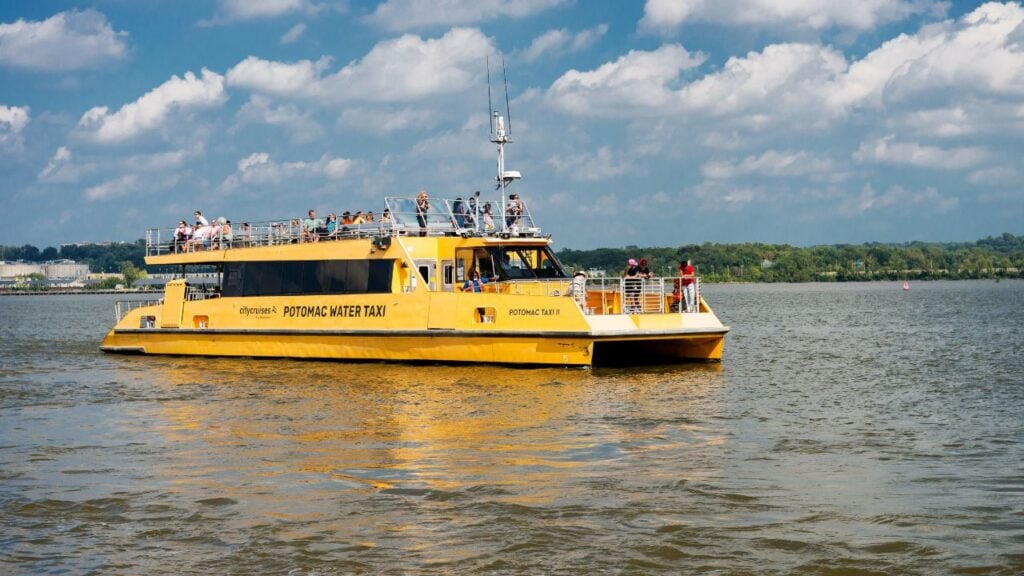
This summer, one of Virginia’s Chesapeake Bay ferries wasn’t running at all, and hardly anyone off the island noticed.
The state’s other working ferries keep crossing on schedule, mostly for the people who live a short drive from the landing.
3 Virginia Ferry Rides Locals Take That Tourists Never Hear About
