
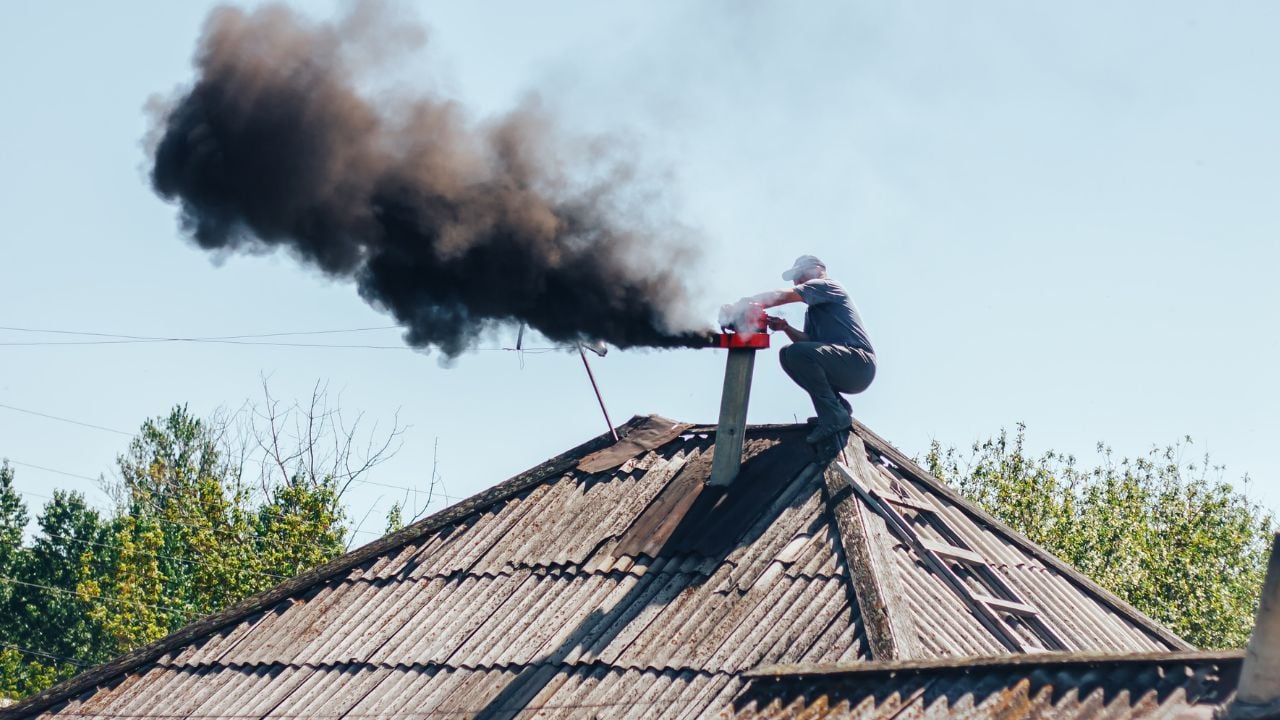
8 Things Pennsylvania Homeowners Should Know Before Hiring a Chimney Sweep This Fall

A crackling fire feels cozy, as long as you trust the chimney above it.
Pennsylvanians booking a sweep may find it hard to tell a careful pro from a careless one.
Here’s what to ask before you hire someone.
Note: This is general information, not legal advice. Contractor rules and consumer protections are subject to change, so confirm the current requirements with the Pennsylvania Office of Attorney General.
1. Doorstep Repair Pitches
A chimney sweep who pitches repairs right after a free or low-cost visit deserves a second look.
A 2014 warning from Pennsylvania’s Attorney General’s office described contractors who create a sense of urgency with talk of a pending house fire or a carbon monoxide leak.
Avoid agreeing to same-day installation, and request a photo or video as proof of the recommended repairs.
Don’t accept broken debris as evidence that chimney repairs are needed.
A 2014 Massachusetts alert from the Better Business Bureau adds that the rubble may not be from your chimney.
Contact a chimney service on your own or get referrals from people you trust.
2. Whose Certificate It Is
Before you trust a chimney sweep’s certificate, find out who stands behind it.
The Chimney Safety Institute of America (CSIA) says its Certified Chimney Sweep credential, which dates to 1983, gives homeowners a way to measure a sweep’s technical expertise.
Not every certificate comes from CSIA.
CSIA points out that the industry has no official oversight.
That means potentially anyone can write an exam and hand out a paper certificate or ID badge to those who pass.
Alternate certifications with fewer educational requirements and business standards make it easier for sweeps to advertise themselves as certified.
CSIA’s searchable directory lets you look up the sweeps who hold its credential.
The Attorney General’s chimney repair warning also named CSIA, telling residents to check whether a contractor is affiliated with nationally recognized groups.
3. Contractor Registration Numbers
Pennsylvania may require a chimney sweep who handles repairs to register with the Attorney General’s office under the Home Improvement Consumer Protection Act (HICPA).
If the repair work costs more than $500, verify the contractor’s registration.
Separately, a contractor whose home improvement work in the previous taxable year totaled less than $5,000 is exempt from registering.
A registered contractor’s number starts with a two-letter prefix, followed by the digits the office assigned.
Before you sign, you can check it by calling 1-888-520-6680 or by using the Attorney General’s online search.
Registration isn’t an endorsement, recommendation or approval of a contractor.
Whether HICPA covers your job depends on what the work is.
What HICPA Covers at Your Chimney
When a chimney sweep quotes work on your house, the Attorney General’s FAQ defines home improvement to include repair, replacement, renovation and installation work on a private residence.
The work counts when the total cash price of everything you and the contractor agree on is more than $500.
The FAQ’s examples don’t name chimneys, so a quote for a repair, a replacement liner or a new cap is the kind of job to check against that list.
4. Proof of Insurance
Before a chimney sweep can register with the Attorney General’s office, the application has to include insurance policy information.
That information has to show at least $50,000 of personal injury liability coverage and $50,000 of property damage coverage.
Check with the contractor to confirm the coverage is current when you sign.
The Massachusetts Better Business Bureau alert tells you to ask whether the business carries a valid liability insurance policy to protect your home and furnishings against accidents.
5. Rock-Bottom Price Offers
The alert says scam artists lure homeowners with extremely low prices by door-to-door pitch, phone call or direct mail.
Oregon’s Department of Justice said in 2011 that low-ball cleaning offers can become the entry point for pushing expensive repairs.
The Attorney General’s office also advises you to get a second opinion and several bids.
6. Level 1 Inspections
CSIA tells homeowners they can ask a chimney sweep for a Level 1 inspection and a sweeping together.
Under National Fire Protection Association Standard 211 (NFPA 211), Level 1 fits a chimney that’s easy to reach.
Level 1 also assumes you plan to keep using the chimney as you do now.
The standard calls for chimneys, fireplaces and vents to be inspected at least once a year.
If you agreed to a complete sweeping and the sweep cleans only the brick in the firebox, CSIA says you didn’t get the service you paid for.
A complete sweeping includes the chimney flue and the smoke chamber.
7. Level 2 and Level 3 Inspections
A chimney sweep who recommends a higher inspection level should be able to tell you why.
CSIA’s description of the standard says a Level 2 fits when you add a new heating appliance or change the type of fuel you burn.
A Level 2 also fits when a property is sold or transferred, or after an operating malfunction or external event likely to have damaged the chimney.
Before you agree to Level 2, ask which of those triggers applies to your chimney.
Level 3 fits when a Level 1 or Level 2 inspection suggests a hidden hazard that can’t be evaluated without access to concealed areas.
If a chimney sweep recommends Level 3, ask which Level 1 or Level 2 finding led there.
Psst! How much do you know about hiring a contractor? Take our quiz and see if you can ace it.
Quiz
Contractor Smarts Quiz
Answer these questions on hiring contractors and chimney safety. We bet you can’t get them all right. Prove us wrong?
At what point may a Pennsylvania home improvement contractor first demand or receive payment?
8. Three-Day Cancellation Window
You have three business days to cancel a chimney sweep's repair contract without penalty when the job counts as home improvement.
The Attorney General's office counts those days from the date you sign.
On April 30, 2026, the Pennsylvania Supreme Court ruled that you can cancel by phone, in writing or in person, as long as the contractor has actual notice.
The dispute involved a contractor that required cancellations in writing.
That requirement didn't hold up.
The court reasoned that HICPA, as the newer law that covers home improvement, required the contractor to honor oral cancellations.
6 Firewood Buying Traps That Cost Pennsylvania Homeowners a Full Cord
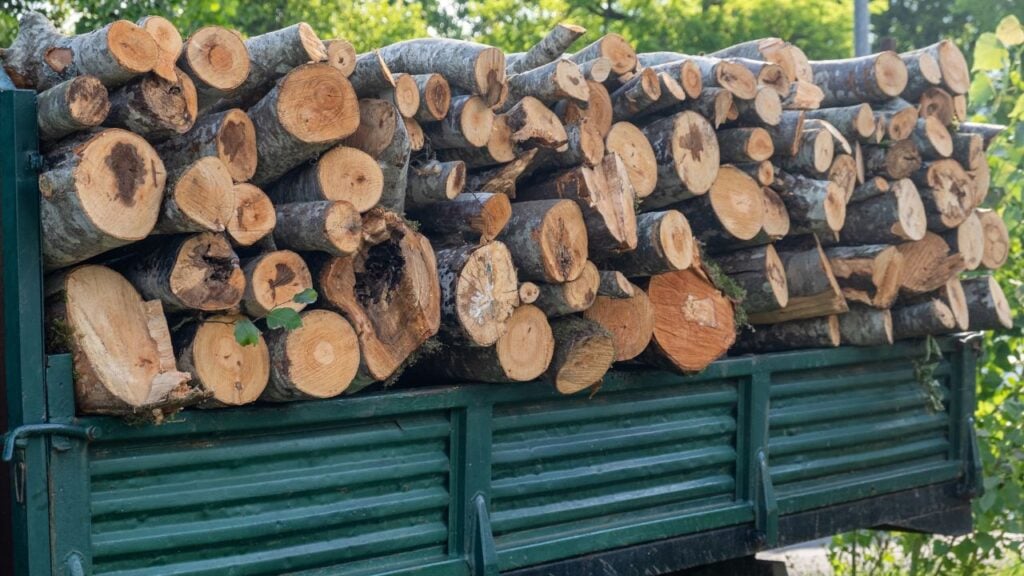
Buying firewood in Pennsylvania sounds easy until the stack shows up short.
These are the buying traps that can shortchange you at the woodpile.
6 Firewood Buying Traps That Cost Pennsylvania Homeowners a Full Cord
9 Frozen Pipe Mistakes Pennsylvania Homeowners Make Before a Hard Freeze
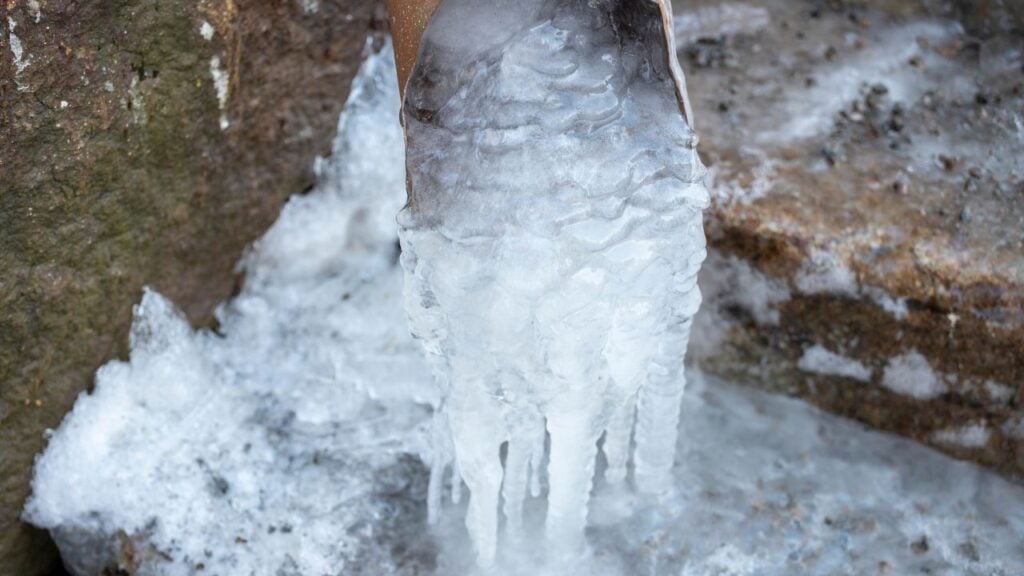
Frozen pipes are easier to prevent in October than to fix in January.
These are the frozen pipe mistakes Pennsylvania homeowners make before a hard freeze.
9 Frozen Pipe Mistakes Pennsylvania Homeowners Make Before a Hard Freeze
