

12 Frugal Boomer Habits Younger Ohioans Laugh At Until They Try Them

Set your water heater to 120 degrees once, and you’ll stop paying to heat water hotter than you need.
Younger Ohioans might roll their eyes at habits like that, right up until they see the savings.
Here are the frugal boomer habits younger Ohioans laugh at until they try them.
Note: This is general information, not financial advice. Rates, prices and dollar amounts are subject to change.
1. Paying the Card in Full
Many boomers still pay off the credit card as soon as the statement arrives.
Credit card accounts that were charged interest averaged a preliminary rate of 22.36 percent in August 2026, according to the Federal Reserve.
If your card has a grace period, you can avoid paying interest on purchases when you pay off your balance in full each month by the due date.
The due date matters.
The Math on a Carried Balance
Paying off the card is a frugal habit because a $1,000 balance that sits for a year at that 22.36 percent average costs roughly $224 in interest.
Pay the same $1,000 in purchases off by the due date every month, and a card with a grace period skips the interest charge.
2. Turning Down the Thermostat
Turning down your thermostat is a frugal boomer habit with a number to back it up.
Turning it back 7 to 10 degrees for eight hours a day can save you as much as 10 percent a year on heating and cooling, according to the U.S. Department of Energy (DOE).
Some younger people tease the sweater-indoors routine.
Do you shut the drapes or blinds to block out summer sun and winter chill?
If you’d rather not remember, a programmable thermostat can save up to $150 a year on energy costs when it’s used properly.
Try it for a month.
3. Washing in Cold Water
Cold-water laundry is a frugal boomer habit with a good reason behind it.
Hot water heating accounts for about 90 percent of the energy your washer uses to wash clothes, according to Energy Star.
Switching your washer from hot to warm can cut energy use in half.
The cold cycle reduces energy use even more.
Washing full loads can save you more than 3,400 gallons of water each year.
Start with one load.
4. Lowering the Water Heater
Keeping the water heater at 120 degrees is a frugal boomer habit.
Set it once.
Turning the temperature down to 120 degrees Fahrenheit can save you $36 to $61 annually.
Check your water heater’s setting to see where it stands.
5. Sealing the Drafts
Sealing drafts with caulk and weather stripping is a frugal boomer habit with a federal number behind it.
The simple fixes are weather stripping on your doors and caulking around your windows.
Winter is coming.
Sealing air leaks and adding insulation can provide up to a 10 percent savings on your annual energy bills.
6. Running a Fan
Switching on a fan before the air conditioner is a frugal boomer habit that DOE can back up.
Want to cut your cooling bill and stay comfortable?
A ceiling fan lets you raise the thermostat about 4 degrees Fahrenheit with no reduction in comfort.
Running your air conditioner at 78 degrees instead of 72 can save between 6 and 18 percent on your cooling bill.
Try it next summer.
Psst! How frugal are you? Run through our checklist and see how high you can score.
7. Driving Slower
Driving slower is a frugal boomer habit.
The federal fuel economy site puts a price on your speed: Each 5 mph you drive over 50 mph is like paying an additional 21 cents a gallon for gas.
On a long drive, you pay that at the pump.
Slow down.
8. Cutting the Engine
Many boomers cut the engine the moment they park.
Idling can use a quarter to a half gallon of fuel per hour, depending on engine size and air conditioner use.
As long as you keep it to about 10 starts a day, any shutdown longer than a minute saves you money.
It takes about 10 seconds worth of fuel to restart your vehicle.
Fueleconomy.gov’s advice is to turn the engine off when you’re parked.
Park and power down.
9. Using the Library Card
Using your library card is a frugal boomer habit with a number behind it.
A 2021 Ohio Library Council report found that Ohioans receive an estimated $5 in economic value for every dollar Ohio’s public libraries spend.
Before you buy a paperback, you can check whether your branch has a copy on the shelf.
Check first.
10. Finishing the Leftovers
Finishing your leftovers is a frugal boomer habit with a number from the federal Department of Agriculture (USDA).
Your household could save about $370 per person annually by reducing food waste.
For a family of four, that’s an extra $1,500 each year.
Food waste runs between 30 and 40 percent of the food supply.
Tonight’s dinner is tomorrow’s lunch.
11. Planting a Garden
Many boomers still dig up a corner of the backyard in spring.
A University of Florida Extension cost analysis put home-grown baby spinach at $3.33 a pound in materials, a savings of $4.67 a pound over what you’d pay at the store.
Carrots went the other way, costing 50 cents a pound more from your garden than from the grocery store.
Spinach wins.
12. Hanging Laundry to Dry
Hanging laundry on a line is a frugal boomer habit that Energy Star backs.
Air-drying clothes instead of using a dryer saves energy and helps your clothes last longer.
A dryer running an extra 15 minutes a load can cost you up to $34 every year.
A rack works too.
You can start with your towels.
What Food Costs a Household
Your food budget is where several frugal boomer habits earn their keep.
U.S. households spent an average of $6,224 on food at home and $3,945 on food away from home in 2024.
That adds up to $10,169 a year on food.
Leftovers and a grocery list both trim your total.
Start with groceries.
Where the Savings Run Thin
Frugal boomer habits don’t pay off the same way for everyone.
The $5 library figure is an estimate of economic value.
It isn’t cash back.
News 5 Cleveland reported in March 2025 that a set of mason jars costs about $12.
The pressure cooker some home canners use can cost between $100 and $700.
A University of Florida Extension analysis also warns that there are no guarantees your grocery savings will outweigh your gardening costs.
Count the seed packets, the soil and the tools before you decide your tomatoes are free.
11 Old-Fashioned Wellness Habits Ohioans Never Needed an App to Track
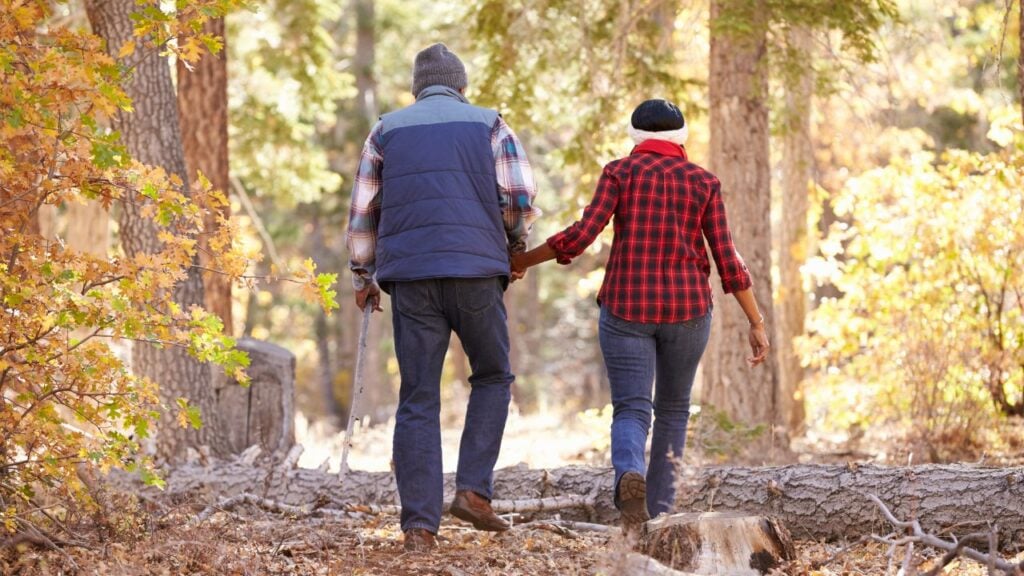
Earlier generations didn’t always call it exercise, but they worked movement and other healthy routines into ordinary life.
You may already do a few of them.
11 Old-Fashioned Wellness Habits Ohioans Never Needed an App to Track
14 Words Ohioans Use That Out-of-Staters Don’t Understand
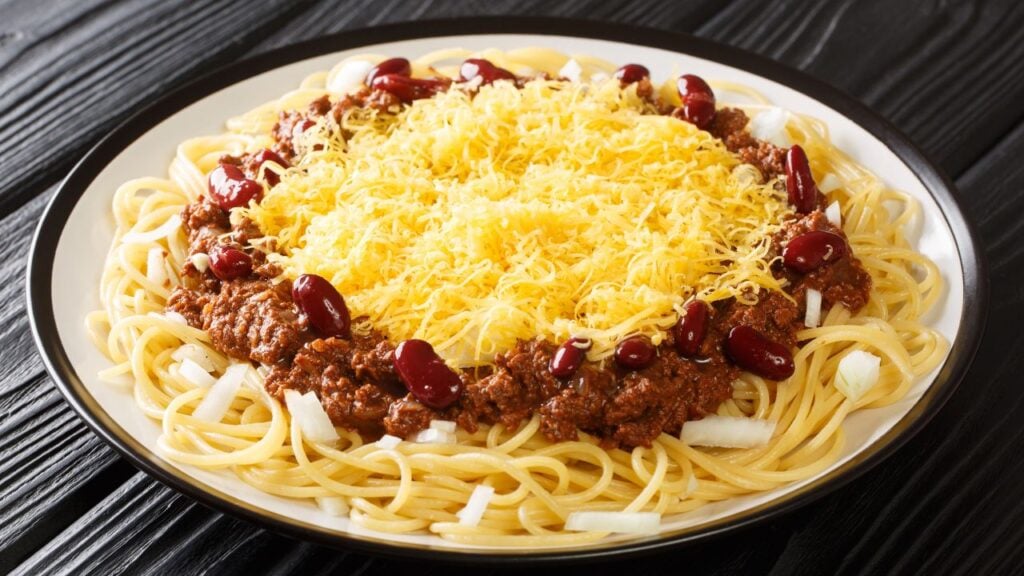
Ohio has words that surprise visitors.
Some of them even change from one end of the state to the other.
