
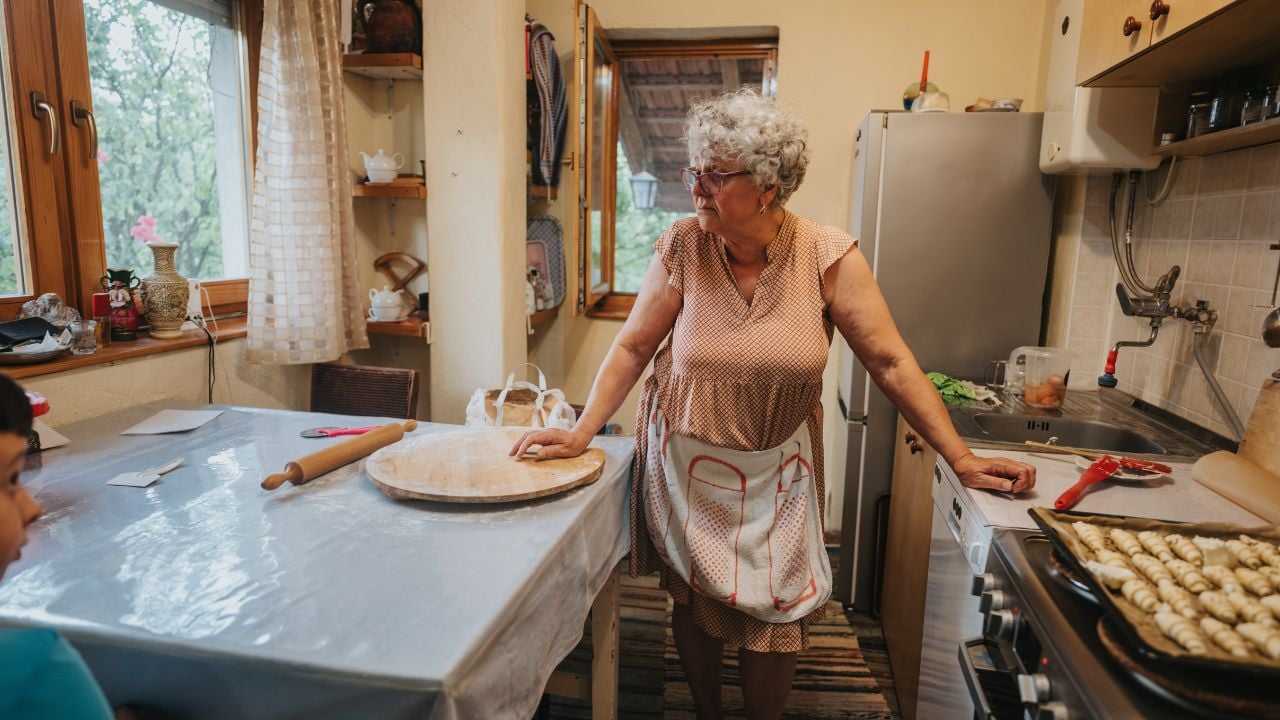
10 Things Every South Dakota Grandma’s Kitchen Had Back in the Old Days

If your grandma made chokecherry jelly, she might have picked the berries along a South Dakota roadside.
Kitchens like hers held a lot that many younger cooks have never seen.
Here’s what every South Dakota grandma’s kitchen had.
1. Neighbor Lady Radio
Wynn Speece, known as the Neighbor Lady on Yankton’s WNAX radio station, started bringing recipes into South Dakota kitchens in 1941.
Her show, “Your Neighbor Lady,” shared recipes, household tips and funny stories from her day until 2005.
That’s over six decades.
At her peak, the show ran 50 minutes, Monday through Friday.
It grew fast during World War II, when many rural husbands were overseas.
You could tune in the station from as far as 500 miles away from Yankton.
Her listeners were women across five states.
If you wrote to her, you joined a mailbag that ran to more than 250,000 letters a year at her peak.
She also wrote a weekly newspaper column and released cookbooks.
2. Butter and Egg Money
A farm kitchen could bring in money from butter and eggs.
A woman who grew up on a Lyman County farm in the 1920s recalled that the top price she ever got for butter was 20 cents a pound.
You’d have to churn a lot of butter to get ahead.
The South Dakota Farmer once profiled a Hamlin County woman who made more than 1,700 pounds of butter in a year.
Eggs earned money too.
In 1919, the South Dakota Farmer Semi-Monthly asked why a young woman would take shop work in town when she could earn money raising poultry.
3. Kuchen
Kuchen is the dessert South Dakota kitchens have been baking since the 1800s.
German-Russian settlers carried the recipe with them.
It’s a sweet-dough pastry with a custard, fruit or nut filling.
The owner of a Scotland kuchen bakery said he grew up watching his mother make it.
Some bakers also use poppy seed or cottage cheese.
The law that made it official runs a single sentence.
4. Chislic
One Freeman family, the Hoellwarths, told of buying young lambs to make chislic on celebration days.
Bill Gering recalled threshing-season gatherings where everyone ate chislic.
A chislic stand ran in Freeman on Saturday nights in the 1930s and 1940s.
The family reached Hutchinson County from Crimea in the 1870s, where cooks grilled shashlyk over open fire.
Shashlyk may be the ancestor.
Today, you’ll also find it made with lamb, venison or beef.
In 2018, chislic joined kuchen as an official state food when the Legislature named it the official nosh.
5. Fleish Kuchle
Fleish kuchle, a fried meat-filled dough pocket, is tied to the kitchens of Germans from Russia, who settled towns like Menno.
A Menno restaurant that opened in 1986 put it on the menu, and the owner said she and her customers grew up eating German farm-country foods like it.
Her recipe rolls the dough to pie-crust thickness and cuts 4-inch squares.
Hold back some flour, or the dough gets tough.
You add seasoned hamburger and onion, fold each square in half and seal the edges.
Each pie fries at 350 degrees for seven minutes.
That’s quick work.
6. Chokecherry Jelly
A kitchen could turn wild chokecherries into jelly, juice or syrup.
You can pick the berries along South Dakota roadsides.
People still make jelly and syrup from chokecherries.
Syrup tops pancakes.
Native Americans mixed chokecherries with dried meat to eat through the year.
Wojapi is a Lakota berry sauce, typically made with chokecherries and served with fry bread.
7. Home Canning
South Dakota’s home demonstration clubs took food preservation into the kitchen, and their 1918 program centered on it.
During World War I, the clubs ran canning campaigns, along with projects to save wheat, fats and sugar.
Canning was wartime work.
Delegates from 14 counties voted to form a state federation of the clubs in February 1929.
Their contests covered bread baking, vegetable preparation, and poultry and egg recipes.
If you want to dig in, the clubs’ records are in the archives at South Dakota State University.
8. Community Cookbooks
Many kitchens kept a community cookbook on the shelf.
The archives at South Dakota State University have more than 700 of them, put together by schools, churches, hospitals and families.
More than 90 are digitized, so you can browse them free online.
Bergen Lutheran Church in Bristol put out a centennial cookbook covering 1885 to 1985.
Saint Therese Catholic Church in Sioux Falls published a 50th anniversary book covering 1927 to 1977.
A 1963 Freeman Junior College book includes the German kuchen.
Another book features only South Dakota game.
Many add cleaning tips.
9. Oil Cookstove
Some farm kitchens were told to try an oil stove.
In 1916, the South Dakota Farmer Semi-Monthly promoted gasoline and kerosene stoves for farm kitchens because they cut summer heat.
The paper also called them cheaper to run than wood or coal stoves, and easier to clean.
You can see why that sounded good to a cook.
A home near Stella drew praise that July for its use of space and an oil stove set at a comfortable height.
Summer was the selling point.
10. Fireless Cooker
Some farm kitchens were shown how to build a cooker that needed no fire.
In 1908, the South Dakota Farmer described a homemade fireless cooker as a porcelain pot set in a wooden box packed with straw, heavy paper or sawdust.
Food started on the stove, and you moved it into the box to finish cooking slowly.
That year, Jessie Hoover demonstrated fireless cooking at farmers’ institutes in Watertown.
Sioux Falls got a demonstration too.
No fire needed.
Psst! How much do you know about South Dakota? Take our quiz and see if you can ace it.
Quiz
South Dakota Kitchen Trivia
Answer these questions on South Dakota’s farm country, food and state symbols. We bet you can’t get them all right. Prove us wrong?
Which is South Dakota’s official state soil?
Welk's Yankton Years
Lawrence Welk was born on a farm near Strasburg, North Dakota.
From 1927 to 1934, his band played live radio shows over WNAX in Yankton, South Dakota.
If you file him under North Dakota, you're only half right.
The Yankton station hired traveling bands to play on the air.
Welk led a band.
A 2022 legislative commemoration of the station's 100th anniversary names the Lawrence Welk Novelty Orchestra and the Neighbor Lady among its household names.
8 Things That Confuse Everyone Who Moves to South Dakota
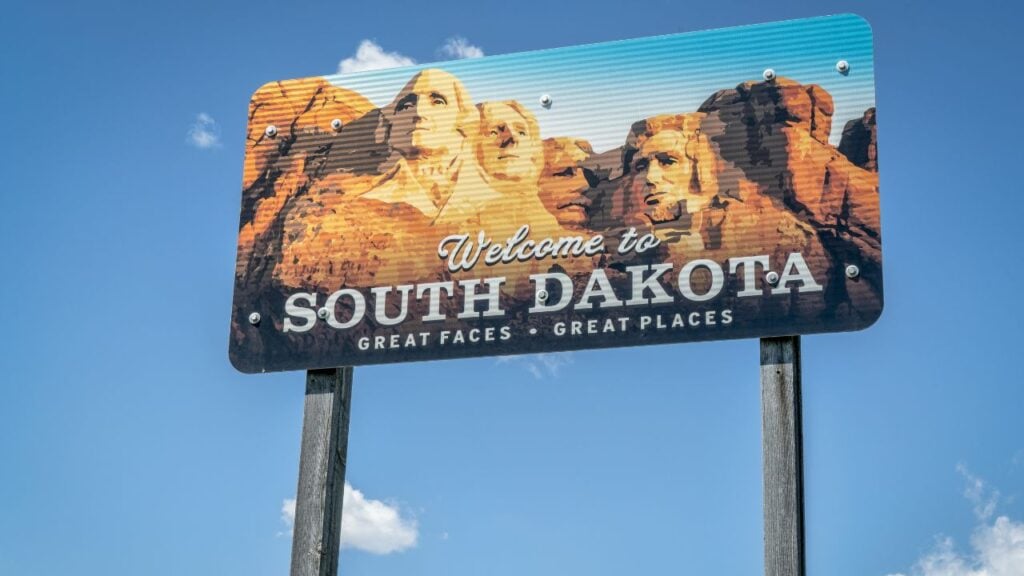
Moving to South Dakota can come with a few surprises.
These are the things that confuse out-of-staters who move to South Dakota.
8 Things That Confuse Everyone Who Moves to South Dakota
5 South Dakota Roadside Stops That Are Stranger Than the Billboards Suggest
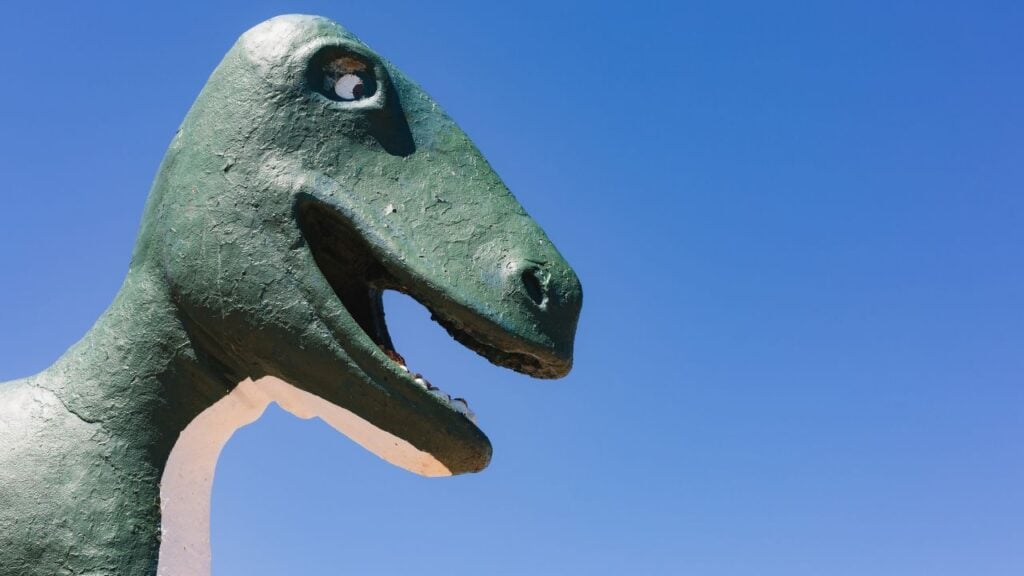
Some of these stops are stranger than their billboards suggest.
Here are a few worth a look.
5 South Dakota Roadside Stops That Are Stranger Than the Billboards Suggest
