
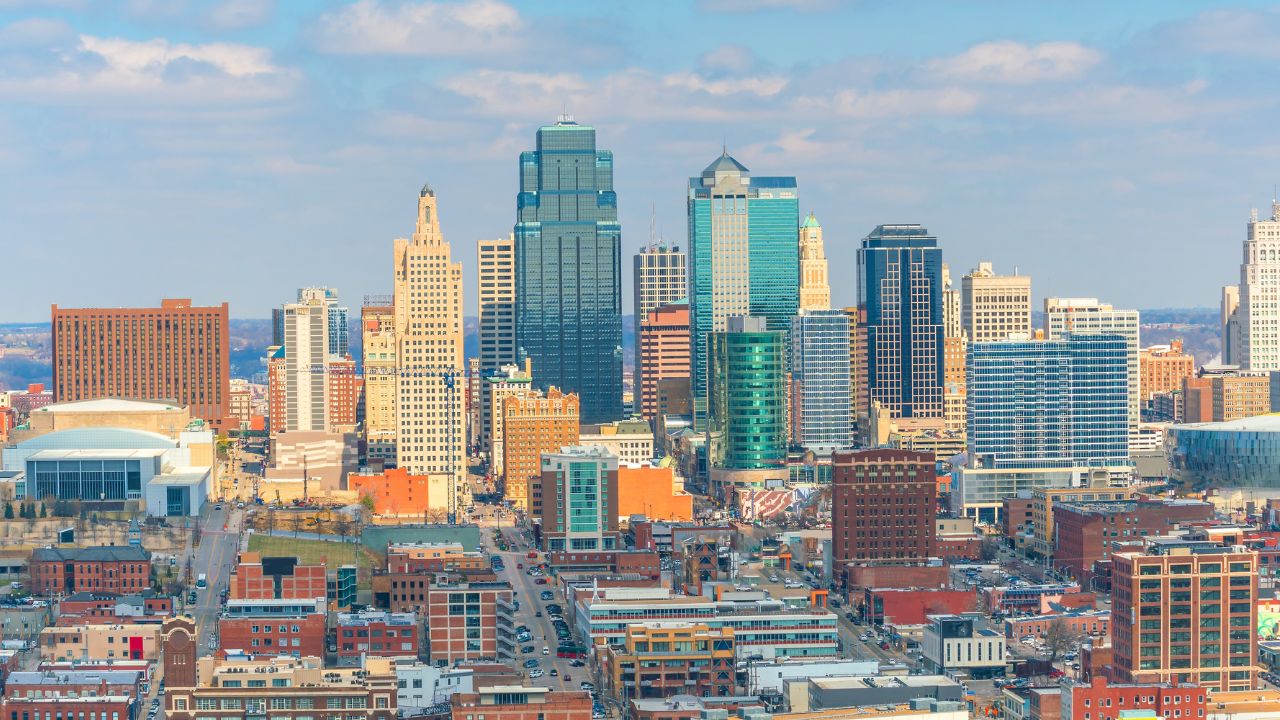
The Reason Most of Kansas City Is in Missouri, and What Kansans Say About It

You tell someone you’re from Kansas City, and they ask which side of the state line you mean.
The Kansas side has heard that question for well over a century.
Here’s the reason most of Kansas City is in Missouri, and what Kansans say about it.
Where the Name Came From
Kansas City gets its name from the Kansas River, and so does the Kansas City across the state line.
In 1838, 14 investors formed the Town of Kansas Company and paid $4,220 for the land.
The company chose the name Kansas because of the nearby Kansa people and the Kansas River, the Kansas City Public Library says.
To see why Missouri’s side came first, you start at a rock landing near the junction of the Kansas and Missouri rivers.
A 16-Year Head Start
Kansas City, Missouri, had a chartered town years before Kansas had a territory.
The area became the Town of Kansas in 1850, and Missouri incorporated it as the City of Kansas in 1853.
Missouri didn’t rename the City of Kansas as Kansas City until 1889.
Kansas Territory didn’t exist until Congress created it on May 30, 1854.
You can do the math: The Missouri town company formed 16 years before Kansas Territory existed.
Across the line, the Wyandotte City Town Company didn’t form until 1856.
If you want a reason, start here.
The Kansas side started late.
Riverfront to Railroad
Francois Chouteau’s settlement on Kansas City’s Missouri riverfront included a trading post at the bend of the Missouri River.
If you head south from the river, Independence, founded in 1827 about four miles away, was the courthouse town for newly formed Jackson County.
In 1833, John Calvin McCoy founded Westport about four miles south of Chouteau’s old trading post.
If you started in Westport, Westport Landing was your link to the river, and the 1850 Town of Kansas included that landing.
The Pacific Railroad line reached Kansas City in September 1865, five years after a count of 4,418.
By 1900, the city had more than 160,000 people.
Psst! How much do you know about the Missouri River and the Great Plains? Take our quiz and see if you can ace it.
Quiz
Rivers and Plains Quiz
Answer these questions on rivers, prairie and Midwest history. We bet you can’t get them all right. Prove us wrong?
The U.S. Geological Survey places the geographic center of the 48 contiguous states near which Kansas town?
1886 Merger
The Kansas side's separate towns became one city, Kansas City, Kansas, in 1886.
Gov. John A. Martin's proclamation, dated March 6, 1886, made Armourdale, Kansas City and Wyandotte one city of the first class, a 1911 county history reports.
The new city took the name Kansas City.
If you check the 1912 cyclopedia, it adds Armstrong to the list of towns that merged.
Together, Wyandotte, Armstrong, Armourdale and an older Kansas City in the West Bottoms had a population of 17,470 at the time.
Size of the Gap
Timing is a big part of the reason most of Kansas City is in Missouri.
Missouri's side had the landing, the charter and the railroad first, and the Kansas side didn't become one city until 1886.
The Census Bureau's estimate for Kansas City, Missouri, on July 1, 2025, was 521,220 residents.
Its estimate for Kansas City, Kansas, was 157,805.
That gives Kansas City, Missouri, more than three times as many residents as Kansas City, Kansas.
The April 2020 census counts show the same gap, with 508,090 in Kansas City, Missouri, and 156,607 in Kansas City, Kansas.
The ratio barely moved.
When you compare the two, keep in mind that both counts cover city limits only.
You won't find the metro area in these numbers, and that region spans both states.
How Big Each Kansas City Is
Kansas City, Missouri, covers 314.7 square miles of land, based on the Census Bureau's 2020 figures.
Kansas City, Kansas, covers 124.7 square miles.
Together, the two cities cover about 439 square miles.
About 72% of that land is on the Missouri side.
The same math puts about 77% of the two cities' residents on the Missouri side, using the 2025 estimates.
Fight Over the Name
Some Kansans on the Wyandotte side pushed back on the Kansas City name for years.
Wyandotte, Armourdale and Armstrong were peeved when Kansas City, Kansas, took its name in 1886, with Wyandotte especially upset, the Kansas City Star reports.
In February 1889, a state lawmaker introduced a bill to restore the Wyandotte name, and a colleague from Wyandotte County rebuffed it.
In 1903, a former state senator from Wyandotte County circulated a petition for the same goal.
A 1907 petition to the Kansas legislature went the other way, arguing against changing the name of Kansas City to Wyandotte City.
The name stuck, and you'll still find Kansas City, Kansas, on the map.
Many Kansans say they've had to explain which Kansas City they mean.
Wyandotte County Today
Kansas City, Kansas, is the state's third-largest city and the county seat of Wyandotte County.
In 1997, voters approved merging the city and county governments, and the Unified Government took effect on October 1.
Two big projects keep the Kansas side in the news.
If you follow Kansas City's Major League Soccer team, the Unified Government brought an 18,000-seat soccer stadium for Sporting Club to Village West.
The Chiefs announced in December 2025 that the team would be relocating to a new stadium in Wyandotte County.
In February 2026, Wyandotte County approved a $450 million subsidy for the Chiefs, the Beacon reports.
The Unified Government approved a Sales Tax and Revenue (STAR) bond district in the Chiefs' stadium plan.
The Chiefs' stadium district includes about 236 acres on the northeast corner of State Avenue and 126th Street.
9 Things That Explain Kansas to Someone Who's Never Left the Coast
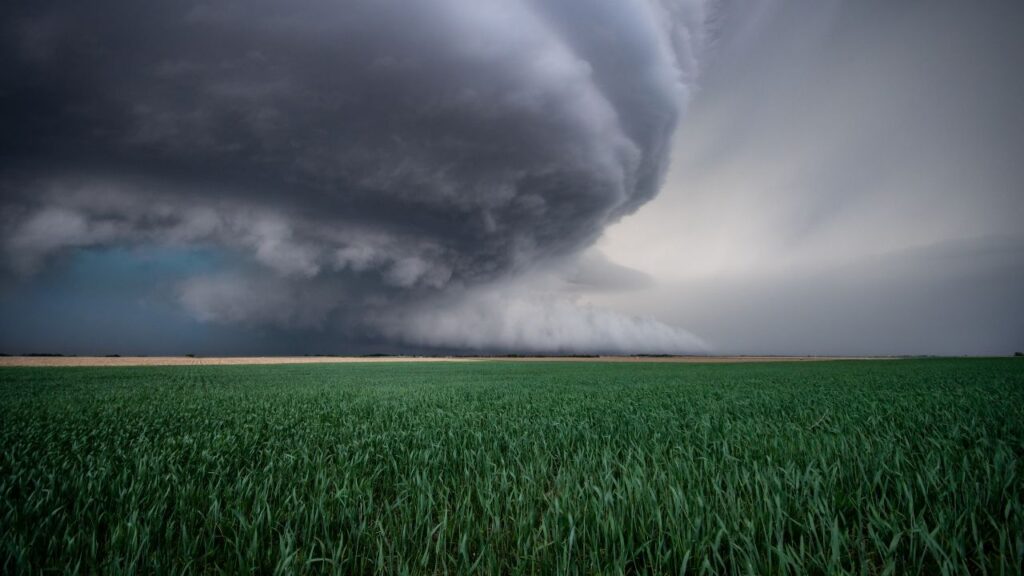
Ocean views are one thing, and Kansas views are another.
A lot about daily life in Kansas can surprise you if you've only known the coast.
9 Things That Explain Kansas to Someone Who's Never Left the Coast
5 Things Kansans Do Every Year Once Wheat Harvest Starts
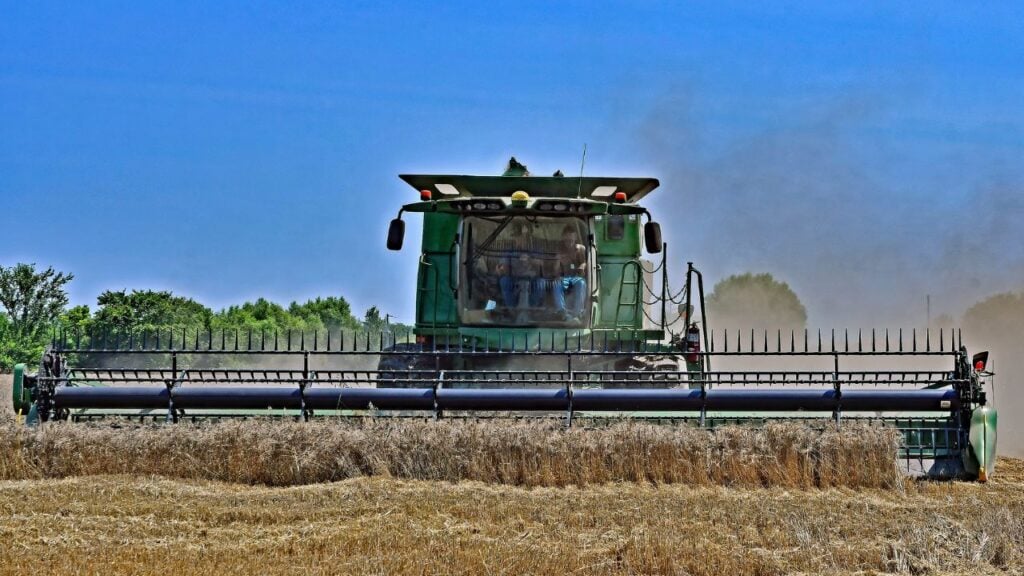
Once the wheat turns, Kansas farms get busy fast.
Here's what Kansans do every year when harvest starts.
