
13 Words Missourians Use That Out-of-Staters Don’t Understand

Order an Imo’s pizza in St. Louis, and it comes topped with Provel.
Out-of-staters ask what that is, and it’s not the only Missouri word that stumps them.
Here are the words Missourians use that out-of-staters don’t understand.
1. Hoosier
Hoosier usually means a person from Indiana, as the Riverfront Times defines it.
In St. Louis, it means a country bumpkin instead.
St. Louisans treat it as an insult.
So if a St. Louisan calls someone a hoosier, you won’t need to ask where that person is from.
2. The Boat
Mental Floss lists going to the boat as St. Louis slang for a casino trip.
If a coworker invites you to the boat this weekend, you may not be heading out on the river.
You’ll want to ask which casino before you say yes.
3. The Bootheel
The Bootheel is the state’s southeastern corner, which juts into Arkansas.
The name comes from the way the corner looks like the heel of a boot on the rest of the state.
The state archives credit landowner John Hardeman Walker with getting the area inside the state’s borders.
So when a Missourian says they grew up in the Bootheel, you’ll know to look at the far southeastern corner of the map.
4. Toasted Ravioli
Toasted ravioli is fried ravioli, even though the name says toasted.
St. Louis Magazine says Lou Oldani picked toasted so the name wouldn’t suggest fat fried or greasy fried.
Where it began is a matter of polite debate.
Two restaurants both promote themselves as the birthplace.
If someone at your table orders T-ravs, the fried kind is on its way.
5. Provel
Provel is a cheese Imo’s describes as a smoky blend of cheddar, Swiss and provolone.
You’ll find it shredded for sprinkling on pizza and salads.
St. Louis Magazine reports that the trademark application described the name as letters without meaning.
6. Gooey Butter Cake
Gooey butter cake is a St. Louis dessert, and one baker’s daughter told FOX 2 hers was baked in a square and dusted with powdered sugar.
If you ask who baked the first cake, the answer remains unclear.
The consensus is that a south St. Louis German-American baker made it by accident in the 1930s.
That account comes from an article by the Missouri Historical Society.
Some think the baker reversed the proportions of butter and flour.
The Danzer family tells it differently in a 2006 submission, saying Johnny Hoffman made the cake by mistake.
In that family account, Melba Danzer named the cake when she tried the final batch.
7. Warsh
Warsh is wash with an extra r, which St. Louis Magazine ties to an intrusive R in St. Louis speech.
You can hear it in St. Louis, though it seems to fade a little more with each generation.
National Public Radio (NPR) reports that the leading theory credits Scotch-Irish settlers who moved to the South Midland starting at the end of the 18th century.
That extra r can turn Washington, D.C., into Warshington.
Two language writers found it in an 1897 poem about a doctor in Indiana.
How to Say St. Louis Street Words
St. Louis Public Radio’s pronunciation guide covers street names that are frequently mangled.
Chouteau is SHOW-doh.
Gravois is GRA-VOY.
Lindell is LINN-dull.
Gratiot is GRAT-chit.
Interstate 64 is HIGH-way FOUR-dee.
That nickname refers to Highway 40, the road’s name before it became Interstate 64.
8. The Lake
If you hear a Missourian say they’re headed to the lake, many mean the Lake of the Ozarks.
A Lake of the Ozarks resident told a boating magazine that, to her, the place will always be the lake.
The column’s writer concludes that the LOTO nickname, short for Lake of the Ozarks, is here to stay.
A St. Louis public radio report says the lake stretches 92 miles from end to end.
The same report says the lake has more shoreline than the coast of California.
9. Bread Co.
Bread Co. is short for St. Louis Bread Company, the original name of Panera.
Many St. Louisans still call Panera Bread Co.
So if a friend says they’ll meet you at Bread Co., you’re headed to a Panera.
10. Versailles
Versailles, Missouri, took its name from Versailles, France, the city’s history page says.
Residents of the county who were descendants of the French possibly chose the name.
KBIA spells the state’s pronunciation vehr-SAYLZ.
When you say it aloud, make the ending rhyme with sails.
11. Nevada
Nevada, Missouri, shares its name with the western state, but you’ll want to say Ne-VAY-dah, the Riverfront Times says.
In 1855, a special commission of non-residents selected the town site.
Clerk D.C. Hunter, a former California gold-seeker, suggested the name after Nevada City, California, the city’s history page says.
Psst! How much do you know about Missouri’s state symbols and natural landmarks? Take our quiz and see if you can ace it.
Quiz
Missouri Trivia Test
Answer these questions on Missouri’s state symbols and natural landmarks. We bet you can’t get them all right. Prove us wrong?
Which sweet treat is Missouri’s official state dessert?
12. New Madrid
New Madrid is a Missouri town, and the earthquakes of 1811 and 1812 took its name, the U.S. Geological Survey (USGS) says.
The county's website says locals pronounce the town MAD-rid rather than mad-DRID.
If you say the first syllable of Madrid like the word mad, you'll sound like a local.
The town began in 1789 as Nuevo Madrid, a Spanish name.
13. Kearney
Kearney, Missouri, is pronounced Carney, the Riverfront Times says, like the word for a carnival worker.
The Riverfront Times lists Bolivar as Ball-i-ver.
Hayti is Hay-Tie, and you'll want to keep it apart from the island nation of Haiti.
4 Small-Town Missouri Fixtures Missourians Are Fighting to Save
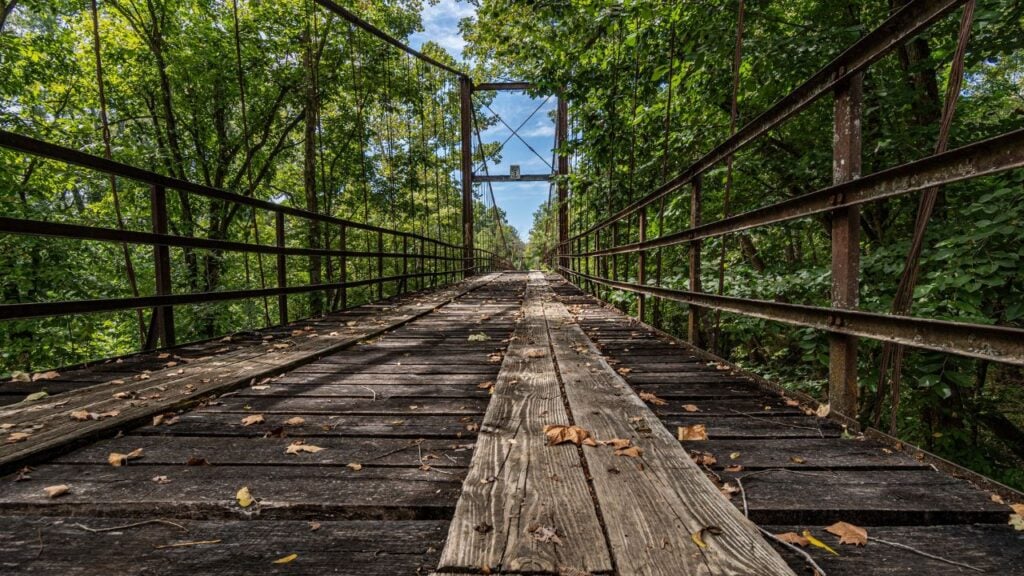
Some small-town buildings are worth fighting for.
Here are the buildings towns are working to save.
4 Small-Town Missouri Fixtures Missourians Are Fighting to Save
6 Places Missourians Used to Gather That Are Gone for Good
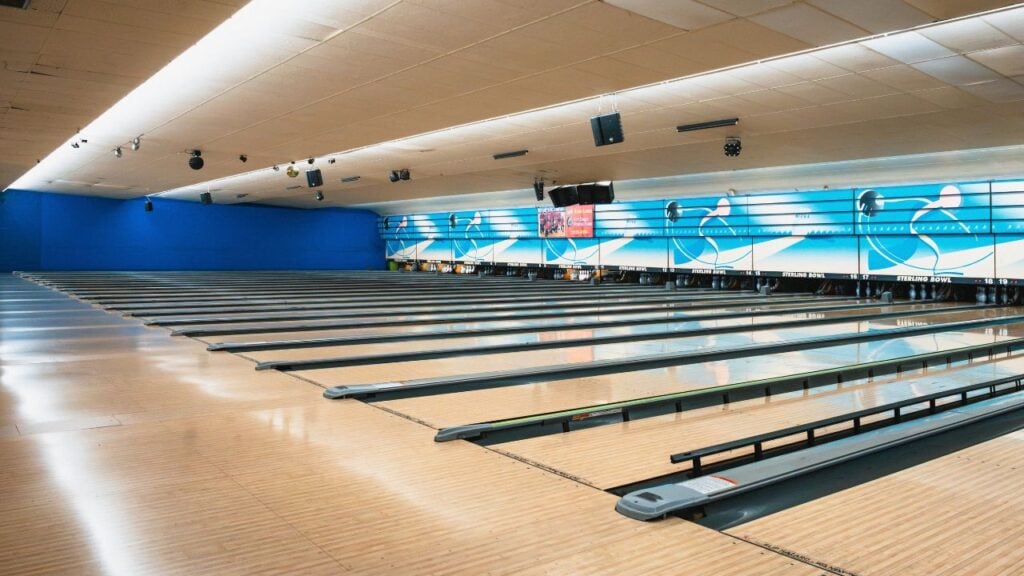
Gathering places can be hard to replace.
These are the places that are gone for good.
