
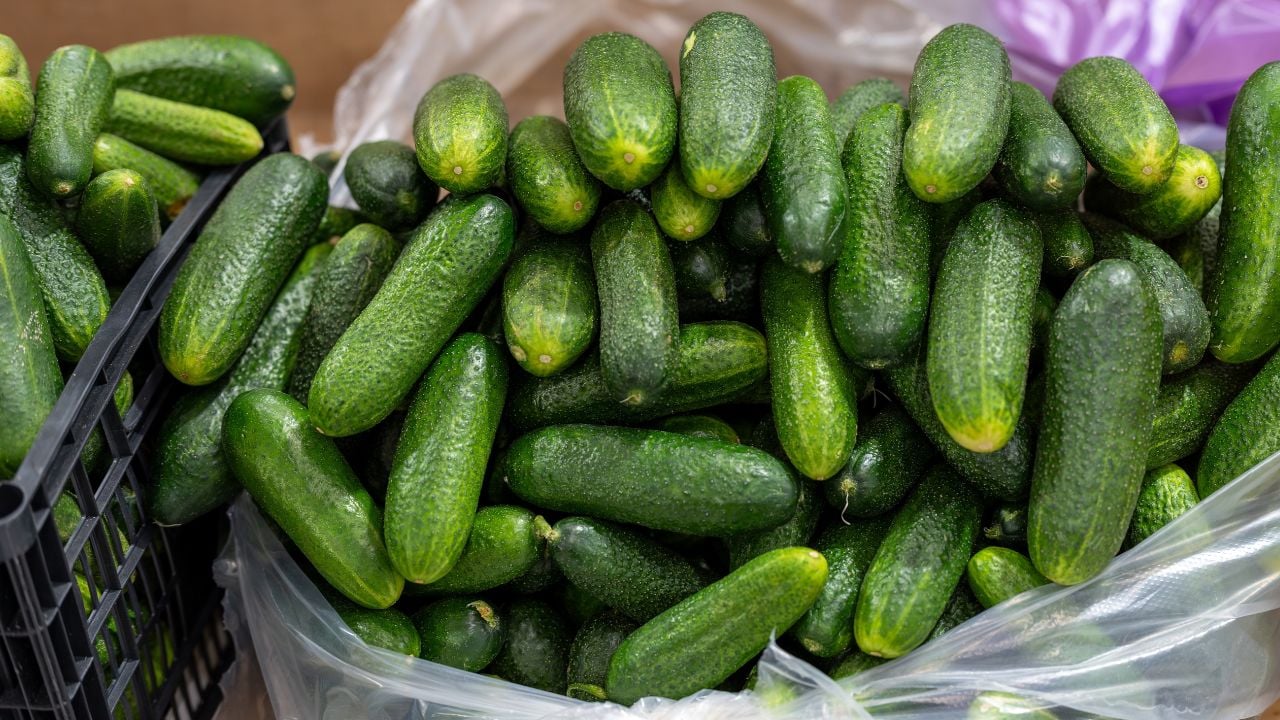
Kool-Aid Pickles Sound Like a Dare to Out-of-Staters. Mississippians Have Eaten Them for About Two Decades

Someone from out of state hears you order a Kool-Aid pickle and waits for the punchline.
There isn’t one.
Here’s how Kool-Aid pickles became a Mississippi snack, and why they’ve lasted about two decades.
Gas Stations and House Stores
As of 2023, many Delta gas stations still sell Kool-Aid pickles out of the gallon-size jars they came in, according to the Mississippi Encyclopedia.
Many are homemade by a station’s owner or an employee.
The entry lists school fundraisers and sporting events as other places you may find them.
Neighborhood house stores, where community members sell snacks out of their kitchens, are on that list too.
A 2015 Garden & Gun column relayed John T. Edge’s 2007 report, which said they were mostly sold from kitchens, neighborhood stores and blues-festival food stands.
Student reporters wrote in 2013 that food stands, including one run by a Clarksdale police detective, pop up along the highways into town during the Delta blues season.
A 2007 CSP Daily News story on the New York Times report put the price between 50 cents and a dollar.
Next time you fill up in the Delta, it’s worth looking for a jar.
Kids and the Snack
If you’re hunting for an inventor, CSP Daily News, relaying the New York Times report, said nobody knew who first soaked pickles in sugared drink mix, or when.
Student reporters in 2013 wrote that no one quite knows when the craze started.
The same CSP report called children the primary consumers.
If you’re wondering who was asking for them, a mini-mart owner in Stephensville, Mississippi, began stocking them earlier in 2007 at local children’s request.
Eastend Grocery owner Beverly Boddie of Cleveland told National Public Radio (NPR) in 2007 that local kids used to pick holes in pickles and pour in Kool-Aid powder.
She said people later took the idea a little farther and let the pickle soak in Kool-Aid.
She also said people of all ages eat them.
Older versions skipped the soak, a Clarksdale vendor told student reporters, with kids sprinkling dry Kool-Aid on their pickles and pregnant women pushing peppermints into pickle spears.
The Mississippi Encyclopedia lists related pickle treats, such as a peppermint stick pushed into the middle of a pickle or a pickle soaked in snow cone syrup.
Color and Soak
The Mississippi Encyclopedia describes halving dill pickles and soaking them in extra-strength Kool-Aid with extra sugar.
The Garden & Gun column describes a gallon-jar method, draining the brine from dill pickles and replacing it with double-strength Kool-Aid and sugar.
If you want a vendor’s recipe, the students reported that it calls for Mount Olive kosher dills and fruit punch Kool-Aid.
If you’re choosing a flavor, the encyclopedia says red Kool-Aid is technically the fruit punch variety.
It also names green apple and grape, which turn the pickles neon green or bright purple.
In 2007, Eastend Grocery had recipes for green and red pickles, and Boddie told NPR she made them in dill, sour and hot dill.
Her recipe was a guarded secret, and the NPR host tasted a cherry dill batch that a producer mixed.
Soak times vary: Boddie said about three days, and the Mississippi Encyclopedia says a week of refrigeration.
A Clarksdale vendor told student reporters in 2013 that he soaked his for five days, until the pickles turned red.
He said he knew a batch was ready by its color.
He told them the texture stays the same and only the flavor changes.
Koolickles and Pickoolas
Rick Beuning, director of foodservice at the Indianola-based chain Double Quick, coined the word Koolickle, CSP Daily News reported.
At the time, Double Quick had more than 30 Delta convenience stores.
The chain filed a trademark application for KOOLICKLE on May 9, 2007.
If you’re wondering whether Double Quick got to keep the name, the federal record lists the application as abandoned after publication on December 5, 2007.
The Garden & Gun column also said the application seemed to have lapsed.
As of that column, you could find the same snack labeled Pickoolas at some Double Quick stores.
The students reported posters calling them Pickoolas.
They also reported that Double Quick had sold them since 2007 for 50 cents a pickle half.
Kraft Foods owned the Kool-Aid name in 2007, CSP Daily News noted.
Kraft said it welcomed customers finding new ways to use its products.
Two Decades of Coverage
If you’re looking for a start date, Double Quick’s 2007 trademark filing claims first use of the name in June 2004.
John T. Edge wrote about them in The New York Times on May 9, 2007, under the headline “A Sweet So Sour: Kool-Aid Dills.”
NPR followed on July 21, 2007.
CSP Daily News described the invention as of fairly recent provenance.
The 2013 student report said the pickles burst into national notoriety in 2007.
The Mississippi Encyclopedia’s 2023 entry says koolickles have risen to relative prominence in the last twenty years.
If you’re counting from the June 2004 claim, that’s about 22 years, and from the May 2007 coverage, nearly 20.
That makes about two decades either way.
Psst! How much do you know about Southern food and drink? Take our quiz and see if you can ace it.
Quiz
Southern Food and Drink Trivia
Answer these questions on Southern food and drink. We bet you can’t get them all right. Prove us wrong?
Which state has named Kool-Aid its official soft drink?
Past the Delta
CSP Daily News reported in 2007 that the pickles had been spotted as far afield as Dallas and St. Louis.
If you're looking for the biggest following, the report put it in the Delta.
The Garden & Gun column said John T. Edge's verdict depended on taste, with the snack either a setback for pickles or a new taste sensation.
Many out-of-staters still hear "Kool-Aid pickle" and brace for a dare.
A July 2017 WPTV report said Walmart's Great Value brand would sell Tropickles, tropical-flavored pickles tinted bright pink by fruit punch.
WPTV described them as a riff on Kool-Aid pickles.
The report said the jars were headed to about 1,400 Walmart locations in the southern United States.
If you were shopping at a Southern Walmart then, the pink jar was the one to look for.
A jar cost $2.
Not every store had it, and it wasn't sold online.
6 Things Mississippians Know About Catfish That Out-of-Staters Never Learn
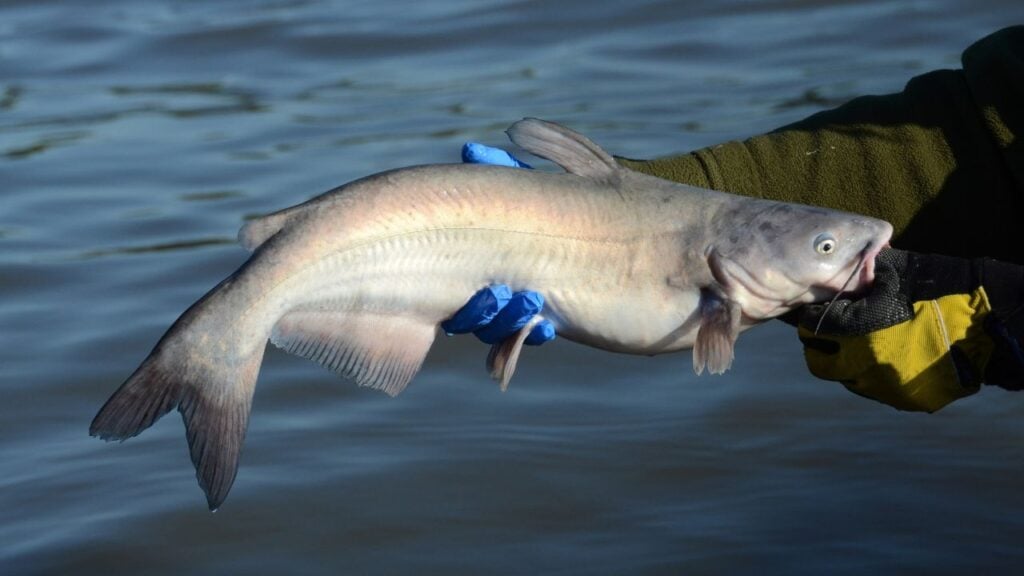
A visitor might see catfish as nothing more than dinner.
Mississippians can tell you there's a lot more to it than what ends up on the plate.
6 Things Mississippians Know About Catfish That Out-of-Staters Never Learn
8 Things Mississippians Are Tired of Explaining to the Rest of the Country
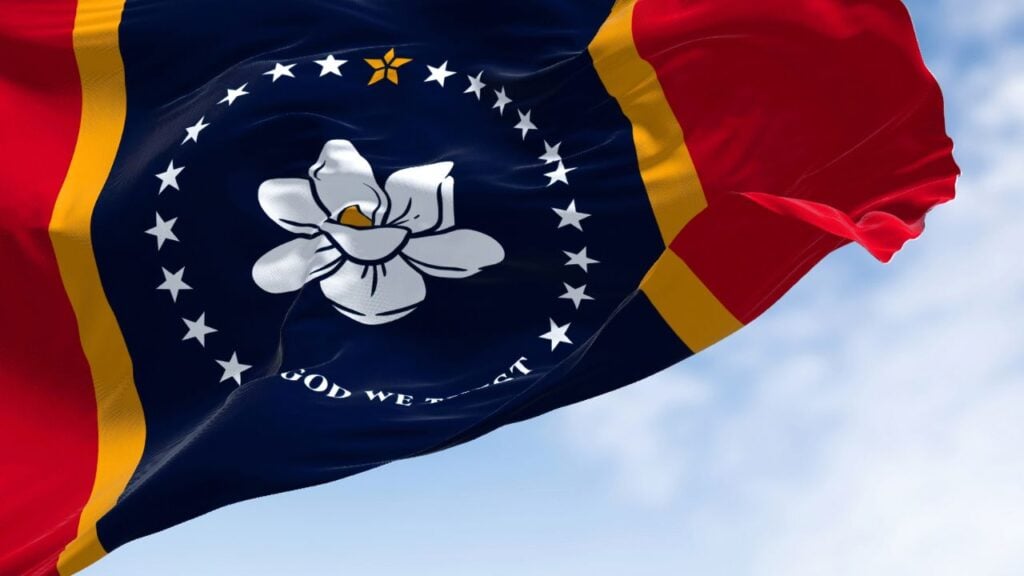
No, Mississippi isn't landlocked.
And no, Elvis wasn't born in Memphis, which is one more thing Mississippians keep having to explain.
8 Things Mississippians Are Tired of Explaining to the Rest of the Country
