
4 Times Georgia Hosts Can Be Liable When a Holiday Guest Gets Hurt

If you’re hosting Thanksgiving this year, your house is about to hold more people and more commotion than it does on any ordinary Thursday.
Usually the worst that happens is a spilled drink.
But when it’s worse than that, who pays isn’t always obvious.
Here are the times Georgia hosts can be liable when a holiday guest gets hurt.
Note: This is general information, not legal or insurance advice. Georgia liability rules and policy terms are subject to change, so confirm coverage details with your insurer or the Georgia Office of Insurance and Safety Fire Commissioner.
1. Hidden Hazards You Know About
A host’s duty to a social guest is narrow.
Georgia courts call a social guest a licensee, not an invitee.
You’re liable to a licensee only for willful or wanton injury.
But Georgia’s Court of Appeals says you usually act willfully or wantonly if you don’t use ordinary care to protect a guest you know is near a hidden peril.
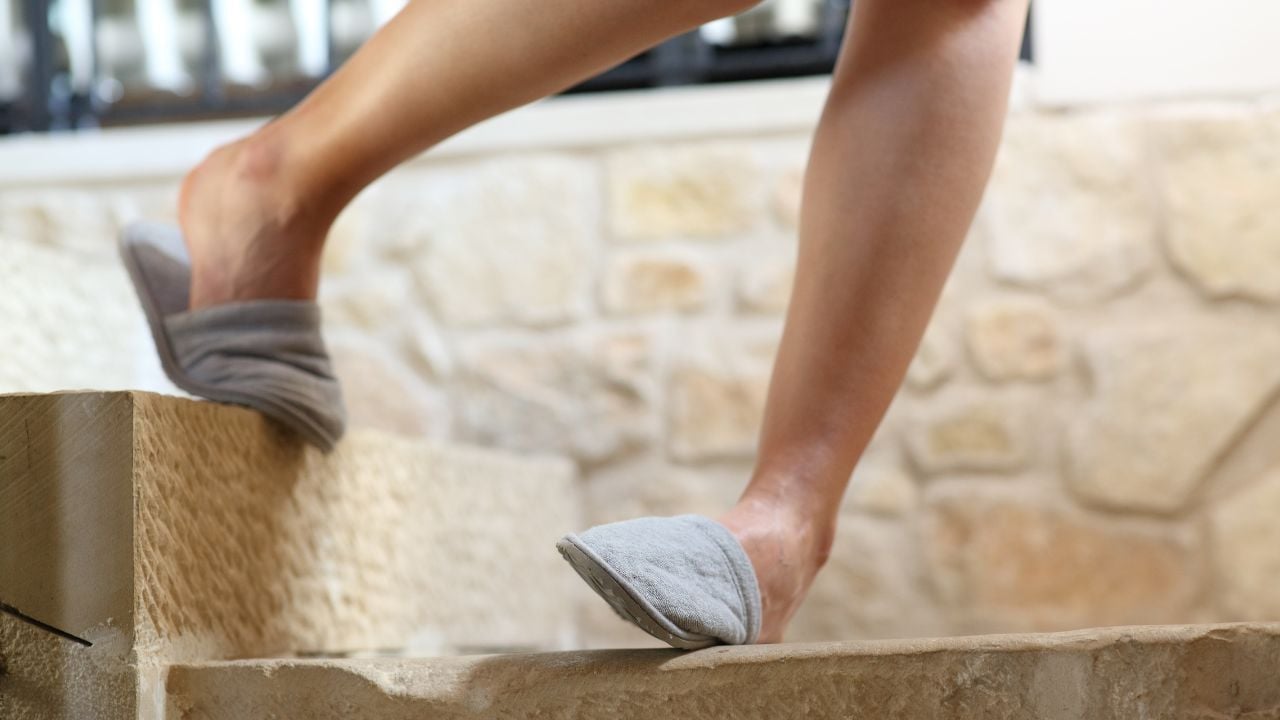
If you know a porch step is rotted and say nothing, a guest who falls through it can have a claim.
Silence is the problem.
What Counts as a Hidden Hazard
A hazard has to be hidden, not just present, before a host’s knowledge matters.
The host also has to know the guest is near the danger, or have reason to expect it.
In a 2001 case, homeowners were cleared because they didn’t know a minor guest had gone into their shed.
Obvious risks don’t count either.
A 1993 ruling held that a trampoline game wasn’t a trap, even though the hosts knew a seven-year-old was visiting.
2. Guests Who Pay You
Hosts lose the licensee protection when a guest is also a paying customer.
The statute defines a licensee as someone who isn’t a customer, servant, or trespasser, and who’s there for personal interest, convenience, or gratification.
Customers fall outside that definition, so the standard becomes ordinary care to keep your premises and approaches safe.
Say you sell pies from your garage before Thanksgiving.
A buyer who slips on your driveway can count as a customer, not a social guest.
That changes your duty.
An invitation alone doesn’t change the label.
In that 1993 ruling, an expressly invited houseguest was still only a licensee.
3. Dogs With a Bite History
A dog owner can be liable to a holiday guest even when the host owes that guest very little else.
Georgia’s animal-liability law reaches anyone who owns or keeps a vicious or dangerous animal of any kind.
The same law can hold an owner liable when careless management, or letting the animal roam, injures someone who didn’t provoke it.
Knowledge is the catch.
In a 2001 Roswell case, Georgia’s appeals court said a bite victim generally has to show you knew about the dog’s dangerous tendencies.
Georgia courts have treated a dog’s breed as irrelevant to liability, so the breed alone doesn’t prove you knew.
If your dog has lunged at someone before, you can’t say you didn’t know.
Psst! How much do you know about holiday home safety? Take our quiz and see if you can ace it.
Quiz
Holiday Home Safety IQ
Answer these questions on holiday fire safety and homeowners coverage. We bet you can’t get them all right. Prove us wrong?
Thanksgiving Day sees about how many times as many home cooking fires as a typical day?
4. Breaking a Local Leash Rule
A local leash rule can make a dog owner liable to a guest without any proof the owner knew the dog was dangerous.
The same law lets a guest show that a city or county ordinance required the animal to be at heel or on a leash and that it wasn't.
Picture your dogs pushing the front door open just as a guest walks up.
The Roswell case began the same way, when two Rottweilers pushed a door open and ran out of the house.
A woman outside was bitten.
Roswell's ordinance required dogs to be confined on their owner's property.
The court said an owner's knowledge of a bite tendency was immaterial if the dog was running at large in violation of that rule.
Leash rules vary by city.
Check whether your city or county has a similar rule before guests start ringing your doorbell.
When a Policy Pays Anyway
A host's homeowners policy can pay a hurt guest's medical bills without a liability claim.
Georgia's insurance office says package homeowners policies usually include medical payments coverage.
It's called no-fault medical coverage, and a visitor can send bills to your insurer without a claim against you.
It generally covers visitors you've allowed onto your property, not people who live there.
No lawsuit required.
Your policy spells out the limit and who qualifies.
Where Hosts Still Win
You keep the upper hand as a host when a guest can't show you knew about the danger.
At a backyard birthday party, a guest tripped on an extension cord draped over the brick stairs.
The Court of Appeals reversed a ruling that let the claim continue because nothing showed the host placed the cord or knew it was there.
The cord wasn't enough.
A 2012 deck case ended the same way.
The court found no evidence the homeowners knew the deck was unsafe.
When Guests Share the Fault
A guest's carelessness can cut a claim against you as a host.
Georgia's fault-sharing statute bars a guest who's 50 percent or more responsible for the injury from collecting any damages.
Below that line, the damages shrink by the guest's share of the blame.
Every percent counts.
A guest who knew about the danger as well as you did can lose on that point alone.
In one appeals-court case, a mechanic pinned by a rolling parked car lost because the danger sat in plain daylight, and he knew parked cars can roll.
If you've warned a guest that the back steps are slick, that warning can weaken a claim if they fall there anyway.
7 Trees Georgia Homeowners Should Never Plant Within Twenty Feet of Their House
A small tree at the garden center can turn into a big problem for your house.
Some of the trees Georgians plant grow fast and big, and they don't always hold up when the weather turns.
7 Trees Georgia Homeowners Should Never Plant Within Twenty Feet of Their House
12 Signs You've Lived in Georgia Too Long, According to Locals
A few reflexes show how long you've lived in Georgia.
You may recognize more of them than you expect.
12 Signs You've Lived in Georgia Too Long, According to Locals
