
Hurricane Season Ends Nov. 30. 3 Things Floridians Do the Week It’s Finally Over

By the last week of November, you’ve probably spent the past six months keeping one eye on the tropics.
Here’s what Floridians do the week hurricane season is finally over.
Note: This is general information, not tax, insurance or legal advice. Dates, rates and policy terms are subject to change, so confirm the specifics with your county tax collector or your insurer.
1. Property Tax Discount Deadline
The biggest early-payment discount on your Florida property tax bill goes to payments made in November, so it ends the same day hurricane season does.
That discount is 4 percent.
It drops to 3 percent in December, 2 percent in January and 1 percent in February.
On a $3,000 bill, you’d save $120 by paying in November and $90 by paying in December.
2. Flood Coverage and the 30-Day Wait
If you buy flood insurance on the last day of hurricane season, there’s normally a 30-day waiting period before it goes into effect.
That puts the start date around Dec. 30.
When you buy flood insurance in connection with making, increasing, extending or renewing a loan, there’s no waiting period.
Citizens Property Insurance says most of its personal residential policies with wind coverage will need flood insurance by Jan. 1, 2027.
The National Flood Insurance Program can write new policies only while Congress keeps it authorized.
A September 2026 Congressional Research Service report lists that authorization as running until Dec. 11, 2026.
Psst! How much do you know about hurricane history? Take our quiz and see if you can ace it.
Quiz
Hurricane History IQ
Answer these questions on hurricane names, records and dates. We bet you can’t get them all right. Prove us wrong?
Which year saw the first Atlantic hurricane to form in January since 1938?
3. Tropical Outlook Window
Many people keep checking the tropics right up to the last day of hurricane season.
The National Hurricane Center issues its Atlantic Tropical Weather Outlook every six hours, so you can check it four times a day.
The center lists June 1 to Nov. 30 as that outlook's Atlantic window.
If you keep checking in December, a special outlook may be issued at any time.
Tropical cyclone activity sometimes occurs before and after those dates, the center's climatology page notes.
Flashlights Without the Sales Tax
Florida's hunting, fishing and camping sales tax holiday doesn't end with hurricane season.
If you're restocking, the Department of Revenue lists flashlights and camping lanterns priced at $30 or less as exempt from sales tax during the holiday.
You have until Dec. 31.
Effective July 1, 2026, Florida expanded its sales tax exemption for portable gas cans to cover portable propane tanks of 20 pounds or less.
The Tree-Pruning Exemption
A tree leaning toward your roof stays a risk after hurricane season.
Florida law bars local governments from requiring a permit to prune or remove a tree at a single-family home if you hold documentation from a certified arborist or landscape architect.
That documentation has to show the tree poses an unacceptable risk to people or property.
Florida defines an unacceptable risk as a tree whose removal is the only practical way to bring its risk below moderate.
The Deductible Math
Your hurricane deductible follows the calendar year, not hurricane season.
Florida law applies it on an annual basis to all covered hurricane losses in a calendar year, with the same insurer or insurer group.
A second hurricane in the same year doesn't restart the full deductible.
Florida law defines a hurricane as a storm system the National Hurricane Center has declared a hurricane.
The law counts the storm as lasting from a hurricane warning for any part of Florida until 72 hours after the last hurricane watch or warning ends.
Your insurer has to show your hurricane deductible in dollars on your renewal paperwork.
Citizens Property Insurance says its hurricane deductible is generally a percentage of the home's insured value.
For certain policies, it may be a fixed dollar amount.
The Math on a Hurricane Deductible
A hurricane deductible is usually a percentage of your policy's dwelling limit, the coverage amount on the house itself, not a percentage of the damage.
On a $300,000 dwelling limit, a 2 percent deductible is $6,000.
A 5 percent deductible is $15,000, and a 10 percent deductible is $30,000.
Insurers must also offer a $500 option, with exceptions for higher-value homes.
Claim and Repair Deadlines
Florida's insurance deadlines run from your date of loss, not from the end of hurricane season.
Florida law gives you one year after the date of loss to give your insurer notice of a claim or a reopened claim.
A supplemental claim, which covers additional loss or damage from the same peril that the insurer has already adjusted, gets 18 months.
For a hurricane, the date of loss is the day the storm made landfall.
An authorized insurer can't cancel or refuse to renew your home's insurance policy for 90 days after repairs are done on hurricane or wind damage.
That rule applies when the damage falls under a declared emergency and an order from the Commissioner of Insurance Regulation.
If the insurer plans to refuse to renew a damaged home anyway, it has to give you at least 90 days' notice.
Outside that situation, an insurer generally has to give you at least 120 days' notice before it declines to renew your policy.
A policy that covers both a home and a car can be nonrenewed after 90 days' notice.
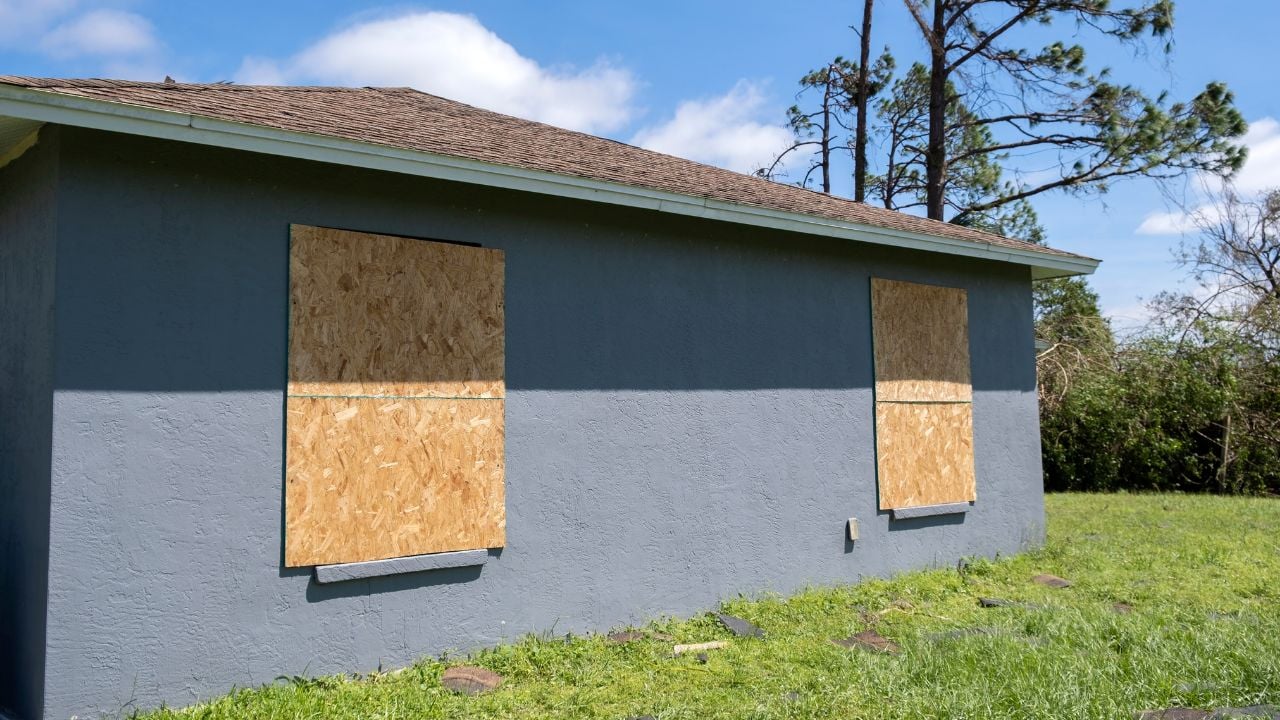
Shutter Removal Rules
In Greenacres, the shutter clock starts when a hurricane event ends, not when hurricane season does.
The city's property maintenance code gives you 14 days after the event ends to remove or open hurricane protective devices.
That deadline doesn't apply if another hurricane event is predicted within those 14 days.
Margate sets a limit of 10 days after any hurricane or tropical storm warning or watch is lifted.
On Dec. 9, 2020, nine days after that year's season ended, Boca Raton Fire Rescue urged residents to remove their shutters and plywood.
If you live in a condo, your board has to adopt hurricane protection specifications for each building.
The board generally can't refuse to approve conforming hurricane protection that you install.
A homeowners association faces a similar limit because its board can't deny an application for conforming hurricane protection.
Wind Mitigation Inspections and Grants
Hurricane season or not, a completed Uniform Mitigation Verification Inspection Form is valid for up to five years, as long as the home has no material changes.
Florida law requires an insurer to accept a form signed by an authorized inspector, including a licensed contractor, professional engineer or professional architect.
Citizens Property Insurance lists storm shutters or panels among the mitigation features on its inspection page.
If you update those features, you can ask Citizens to apply any eligible discounts.
The state's My Safe Florida Home program lists grants of up to $10,000 for home upgrades.
Its page lists roof improvements, impact windows and doors, garage door reinforcement and secondary water barrier installation.
The program also says it intends to keep taking contact information from interested homeowners while the Legislature considers new opportunities.
12 Things Floridians Keep in Their Car That Confuse Visitors
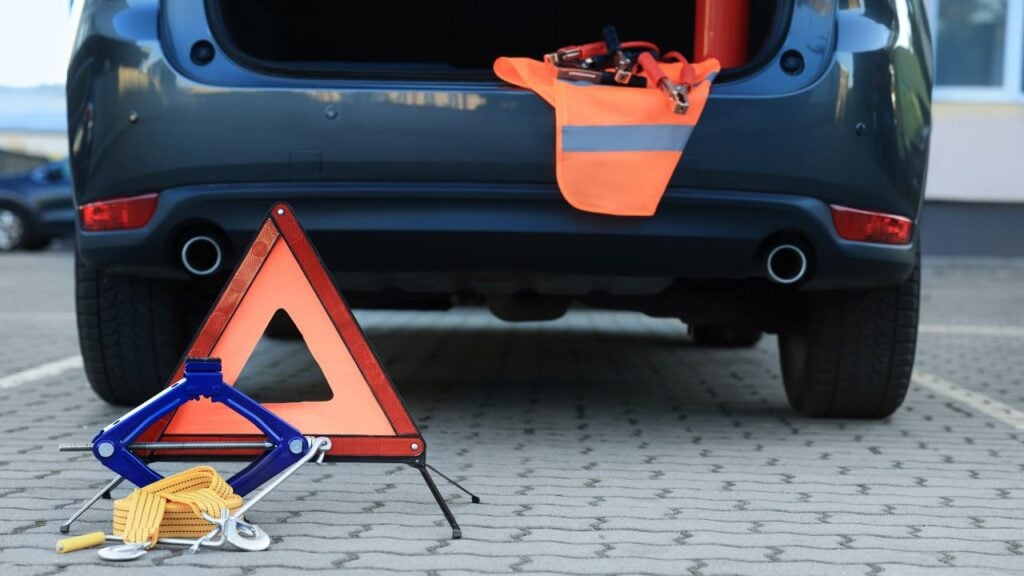
Your trunk might be fuller than you expect.
Between the heat, the bugs and storm season, visitors may wonder why the trunk looks so full.
12 Things Floridians Keep in Their Car That Confuse Visitors
7 Things Manatees Do in Florida Once the Water Turns Cold
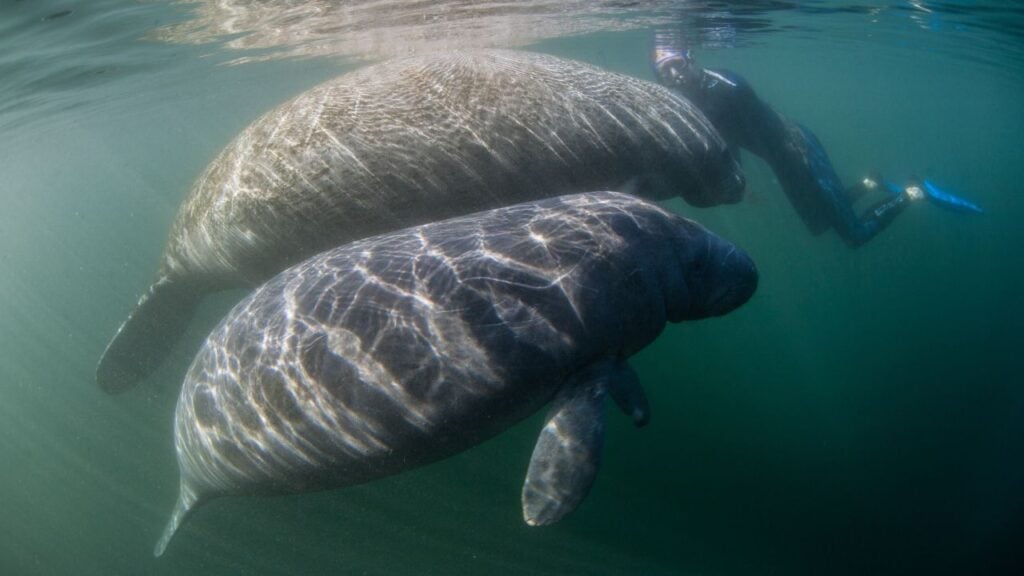
Manatees don't just tough it out when the water starts to cool.
When the chill sets in, they head for some surprising spots.
