
12 Things That Make North Florida and South Florida Feel Like Two Different States

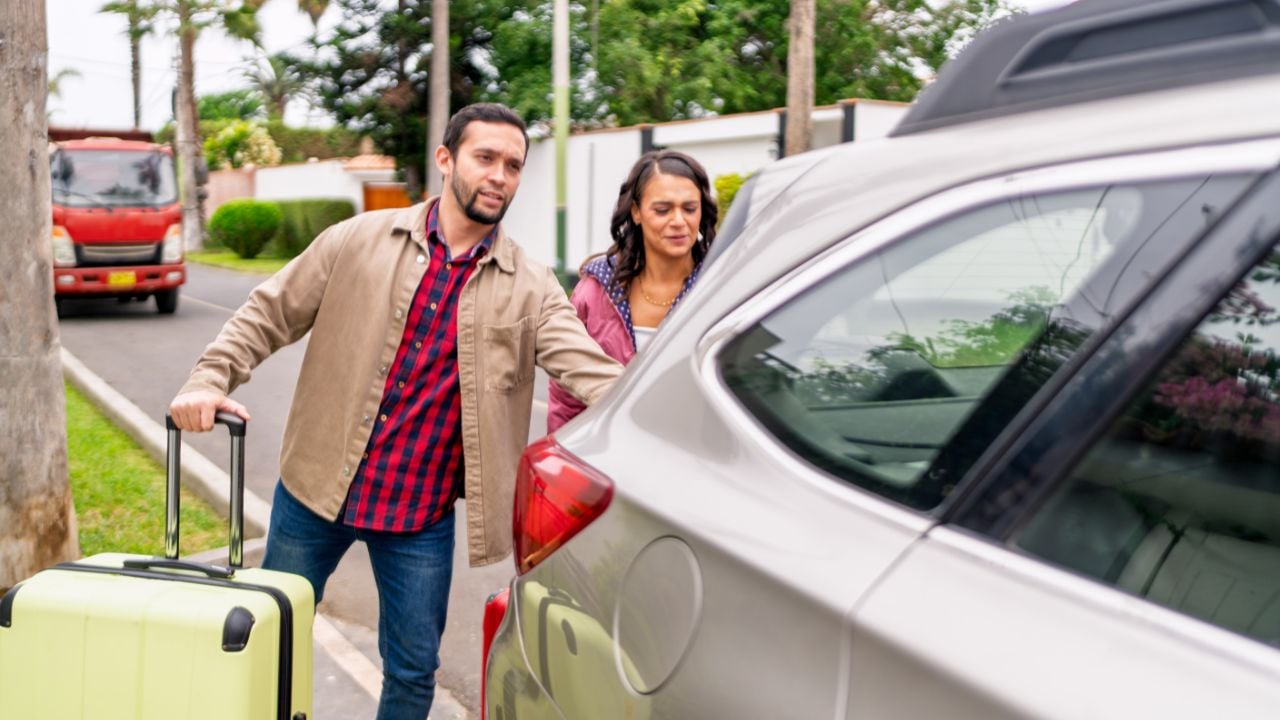
Driving the length of Florida for Thanksgiving tomorrow?
Pack for the beach at one end, and you might wish you’d brought a coat at the other.
Here are the things that make North Florida and South Florida feel like two different states.
1. Time Zones
The state runs on two clocks.
The federal rule that sets the boundary runs it down the Apalachicola River, then west along the Intracoastal Waterway to the Gulf County line.
VISIT FLORIDA puts Pensacola, in the Panhandle, in the Central Time Zone and Miami in the Eastern Time Zone.
That puts Pensacola an hour behind Miami.
Drive west across that line and you gain an hour.
2. Freezes and Snow
North Florida has colder freezes than South Florida, based on the Florida Climate Center‘s records for Tallahassee and Fort Myers.
In the 11 freeze events with lows recorded at Tallahassee, Avon Park and Fort Myers, Tallahassee was the coldest every time.
In those 11 events, Tallahassee’s lows ranged from 6°F to 20°F, while Fort Myers stayed between 27°F and 33°F.
Tallahassee also recorded Florida’s lowest temperature, -2°F, in February 1899.
If you’re in Tallahassee during a cold snap, you’ll want a heavy coat.
Pensacola got 8.9 inches of snow on January 21, 2025, a new two-day record.
South Florida saw flurries on January 19, 1977, as far south as Homestead.
3. Fall Color
The Florida State Parks fall color page sends you to its northernmost parks, including Torreya, Three Rivers and Suwannee River, where the hardwoods change to warm colors in mid-November.
It adds that wildflowers give the state a different kind of color transformation.
4. Elevation
Stand on Britton Hill, Florida’s highest point, and you’re only 345 feet above sea level, in Walton County in North Florida’s Panhandle.
That’s the lowest high point of any state.
Delaware, the next lowest, tops out at about 448 feet.
In South Florida, the Everglades changes only 12 to 14 feet in elevation from its high point near Lake Okeechobee to sea level, says the National Park Service.
5. Deer Season
The Florida Fish and Wildlife Conservation Commission (FWC) sets four deer zones with different season dates for 2026-27.
In Zone A, which includes South Florida areas such as Big Cypress and Dade County, antlered-deer general gun season runs Sept. 19 to Oct. 18 and Nov. 21 to Jan. 3.
In Zone D, in the western Panhandle, it’s Nov. 26 to 29 and then Dec. 12 to Feb. 21.
If you hunt in Zone D, you wait more than two months longer for general gun season to open than hunters in Zone A do.
6. Crocodiles
American crocodiles live at the northern end of their range in South Florida, FWC says.
Alligators are the more common of the two.
Everglades National Park is the only place in the world where you may spot gators and crocs in the same body of water.
Up north, you’ll be looking for gators, not crocs.
Psst! How much do you know about Florida’s size, rivers, parks and roads? Take our quiz and see how many you can get right.
Quiz
Florida Geography IQ
Answer these questions on Florida’s size, rivers and roads. We bet you can’t get them all right. Prove us wrong?
How many miles long is Florida from north to south?
7. Crops
Crops split the state's farm map, and the University of Florida's Institute of Food and Agricultural Sciences (UF/IFAS) says peanuts grow mainly in the Panhandle and north central Florida.
You'll find the largest concentrations in Jackson, Levy and Santa Rosa counties.
Growers planted 165,000 acres of peanuts in 2024.
You'll find sugarcane grown commercially only around the southern end of Lake Okeechobee.
About 74% of the crop comes from the muck soils of the Everglades Agricultural Area.
8. Languages at Home
Language at home differs from county to county, according to Census Bureau QuickFacts.
In Miami-Dade County, 75.3% of residents age 5 and older speak a language other than English at home.
In Escambia County, home to Pensacola, the figure is 8.6%.
Leon County, home to Tallahassee, sits at 10.9%.
Duval County, home to Jacksonville, is at 16.3%.
Those are county figures, not statewide ones.
Over the same years, 54.5% of Miami-Dade County residents were born outside the U.S., compared with 5.7% in Escambia County.
9. Accents
Florida International University linguist Phillip Carter says Miami English is a variety of English with subtle influence from Spanish.
He traces the dialect to 1959, when the first major wave of Cuban immigrants arrived after the Cuban Revolution.
People in South Florida mostly skip the Southern drawl, Atlas Obscura reports.
A 2018 Tampa Bay Times piece says you're more likely to hear a Southern accent around Tallahassee and outside urban Jacksonville.
10. Population
Population shows the gap in raw numbers, according to Census Bureau estimates for July 1, 2025.
Miami-Dade County had 2,802,029 residents.
Duval County had 1,062,963, Escambia County had 333,834, and Leon County had 299,048.
That makes Miami-Dade more than eight times the size of Escambia County.
Duval County has fewer than half as many residents as Miami-Dade.
11. Home Values
Home values split along the same lines, going by the Census Bureau's median for owner-occupied homes in 2020-2024.
Miami-Dade County's median was $463,000.
Escambia County's was $257,200, Leon County's was $301,800, and Duval County's was $303,500.
The Miami-Dade median is $205,800 higher than Escambia's.
Rent in Four Florida Counties
Median gross rent for 2020-2024 was $1,829 in Miami-Dade County, according to Census Bureau QuickFacts.
It was $1,475 in Duval County, $1,321 in Escambia County and $1,291 in Leon County.
That puts Miami-Dade rent $538 a month above Leon County's.
12. Town Origins
North Florida's oldest towns date back centuries before Miami was incorporated.
Pedro Menéndez de Avilés founded St. Augustine in 1565, says the National Park Service.
It's the oldest continuously occupied European settlement in the continental United States.
The Luna settlement in Pensacola dates to 1559, making it the first multi-year European settlement in the United States.
Miami incorporated in 1896 with 444 citizens, 331 years after St. Augustine was founded.
12 Things Floridians Keep in Their Car That Confuse Visitors
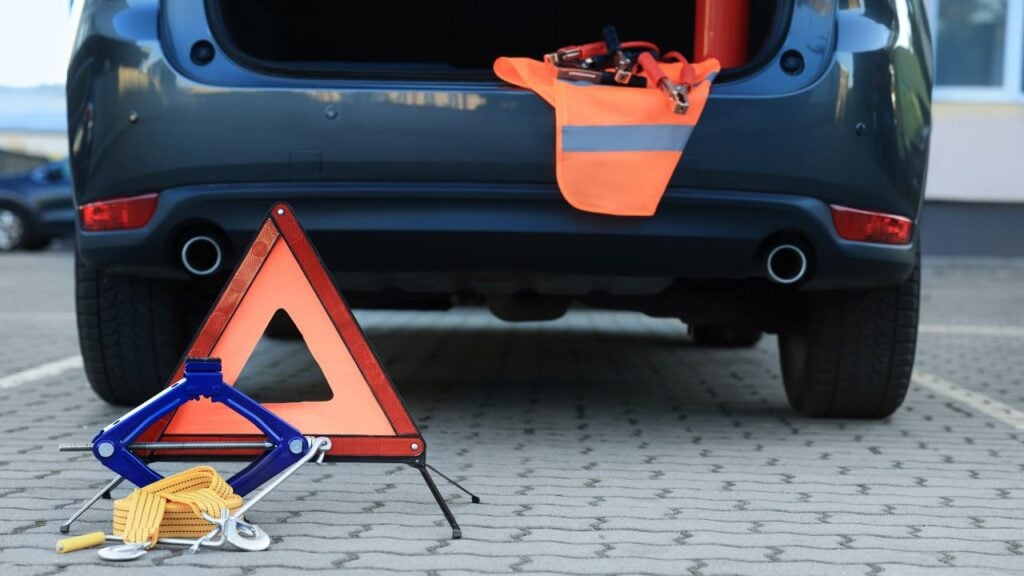
Florida drivers can end up carrying a lot more than a spare tire.
Between the heat, the bugs and storm season, visitors may wonder why the trunk looks so full.
12 Things Floridians Keep in Their Car That Confuse Visitors
9 Florida Foods Northerners Have to Be Talked Into Trying
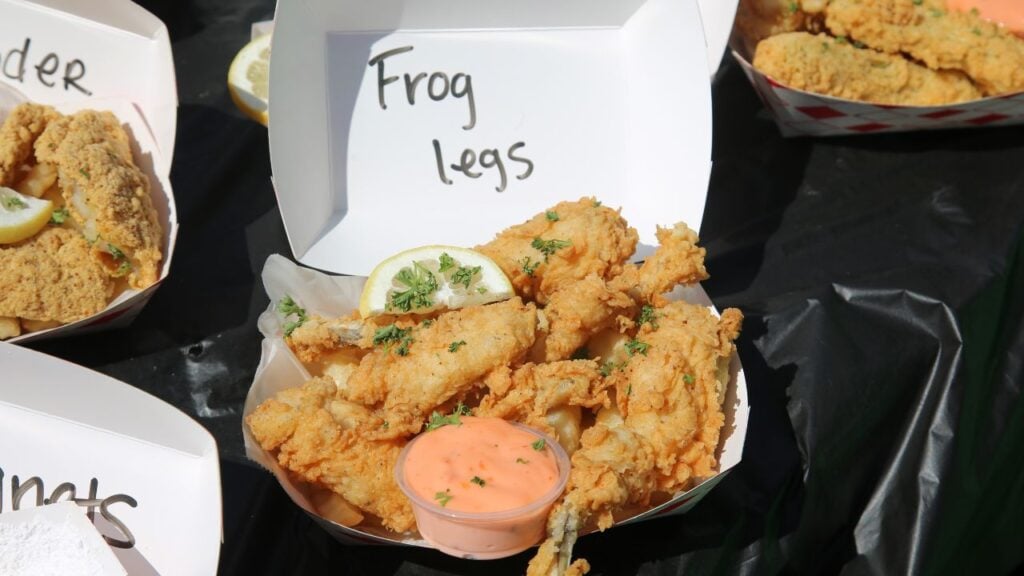
Tell a newcomer that the peanuts are boiled, and you might get a funny look.
Here are the Florida foods transplants may need a nudge to try.
