
8 Disappearing Things Tennesseans Won’t Get to Enjoy Much Longer

Remember the bird calls you used to hear across Tennessee fields as a kid?
One of those calls is a lot harder to hear these days.
These are the disappearing things Tennesseans won’t get to enjoy much longer.
1. Drive-In Theaters
Drive-in theaters once dotted Tennessee, with 115 of them operating in the late 1950s, according to the Tennessee Encyclopedia.
An update to that entry in 2018 lists 17 still in operation.
The Malco Summer Drive-In, open since September 1966, screened its final movies in May 2025 as the last drive-in in Memphis.
The Commercial Appeal reported that Tennessee would have only 12 drive-ins in operation after that weekend.
That leaves you a short list of screens to choose from.
2. Fraser Fir Forests
The balsam woolly adelgid has killed 90 percent of the mature fir trees in Great Smoky Mountains National Park since 1962, according to the National Park Service.
That is the year the insect was first found in the park.
The Fraser fir grows only in the southern Appalachians.
By that count, about one in ten of the park’s mature firs is still standing.
Managers spray fir trunks with insecticidal soap, although no completely effective treatment exists.
The park sits almost evenly, so that figure covers the forest you’d hike on either side of the state line.
3. Music Row Buildings
You can still walk Music Row, which the National Trust for Historic Preservation calls the heart and soul of Nashville’s music industry since the 1950s.
The National Trust for Historic Preservation named it a National Treasure in January 2015.
By 2019, Music Row had lost 50 buildings to demolition since 2013.
4. Bobwhite Calls
The northern bobwhite’s loud, two-syllable call can carry a quarter mile across open country.
You’re less likely to hear that call now, since the bird’s numbers continue to decline in the state.
Axios Nashville reports that the in-state population has declined more than 5% a year since 1966, a figure from a 2020 report.
The Tennessee Wildlife Resources Agency (TWRA) ties the decline to the loss of farmland, changes in agriculture and increases in forest land.
5. Kmart Stores
In 2016, Kmart was closing stores in Nashville, Memphis, Oak Ridge, Clarksville, Smyrna and Hixson.
The Hixson store was Kmart’s last remaining store in Chattanooga.
If you shopped at one of those six, it was slated to close permanently in mid-December.
The chain said it would keep operating 16 stores in Tennessee.
A later round of Sears and Kmart closings included the East Tennessee stores in Kingsport and Sevierville, with closings due by March.
A Knoxville TV station’s report on those closings said only one Kmart in the state would stay open, the one in Lebanon.
Psst! How much do you know about Tennessee’s landmarks and history? Take our quiz and see if you can ace it.
Quiz
Tennessee Landmark IQ
Answer eight questions on Tennessee’s landmarks and history. We bet you can’t get them all right. Prove us wrong?
Oak Ridge’s wartime population peaked at about how many people in the summer of 1945?
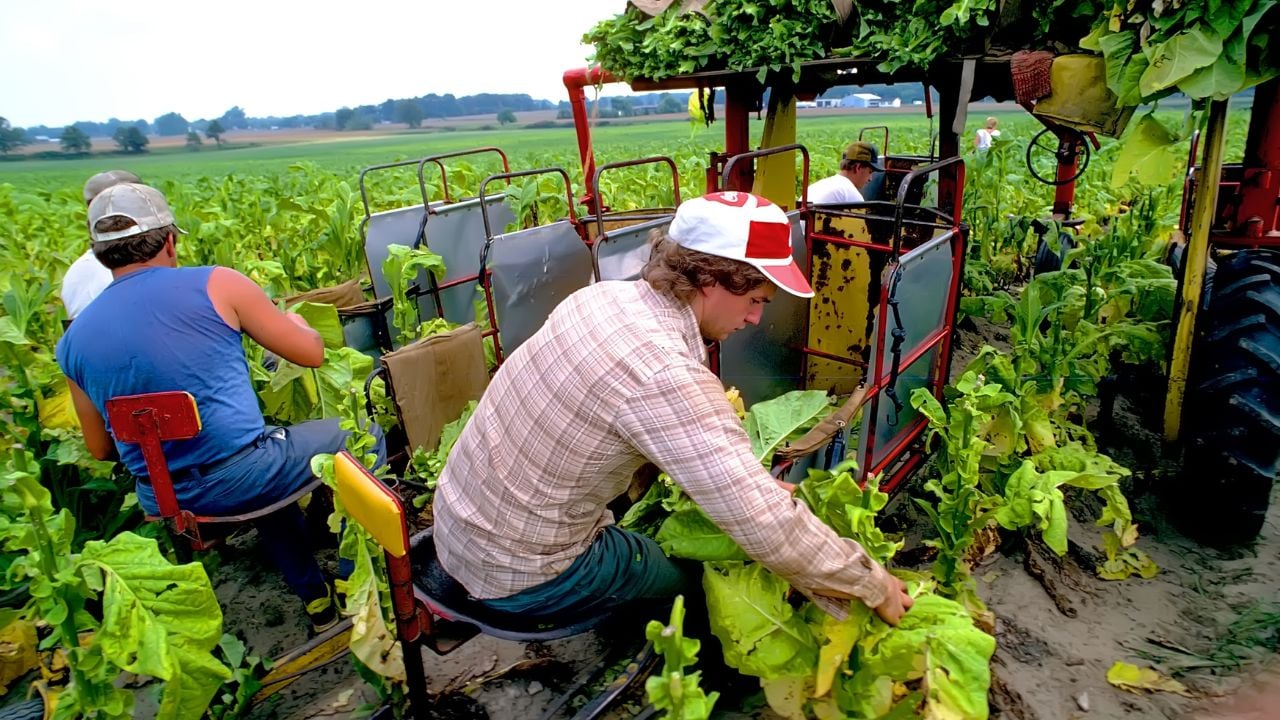
6. Tobacco Farms
Tennessee had 241 farms growing tobacco in 2022, down from 8,206 in 2002.
That's a 97% drop, based on the U.S. Department of Agriculture's Census of Agriculture.
The survivors are bigger.
The average Tennessee tobacco farm covered 4.4 acres in 2002 and 51.4 acres in 2022.
A tobacco field you pass today likely sits on one of the 241 farms the 2022 census counted.
7. Native Brook Trout
Brook trout have lost approximately 75% of their native range in Great Smoky Mountains National Park, which spans Tennessee and North Carolina, since the early 1900s.
They're the park's only native trout.
The loss comes mostly from logging and the introduction of non-native rainbow and brown trout.
If you want to see a native brook trout in the Smokies, you've got about a quarter of the old range to search.
8. Open Farmland
Tennessee has lost more than 200 acres of farmland each day since 2017, according to University of Tennessee Institute of Agriculture data.
Add forestry land, and the Institute's magazine puts the daily average loss at 297 acres.
That works out to roughly 12 acres every hour.
By the time you finish a 30-minute drive, that is about six more acres gone.
Hemlock Trees
The hemlock woolly adelgid has spread throughout the hemlock forests of Great Smoky Mountains National Park, according to the park's 2015 updates.
At that point, most untreated hemlocks were dying.
Crews had treated close to 200,000 trees with a systemic insecticide.
Sprays that kill only the insects present at application need retreatment every six months to one year.
Since 2002, the park has also released predatory beetles that feed on adelgids, and it had released over half a million by 2011.
Drive-In Decline
As towns expanded, the Tennessee Encyclopedia says, the cost of owning such a huge chunk of property became too much for many owners.
Drive-ins sat along the edges of town, and those edges kept moving outward.
Multiplex theaters and cable television added pressure in the 1970s and 1980s.
Some drive-ins turned to B-movies to stay open.
The newspaper's list of drive-ins still operating statewide includes theaters in Alamo, Centerville and Bristol.
If you plan a trip to one of them, check its schedule first.
Elk and Trout Comebacks
About 150 years had passed since elk wandered throughout Tennessee when TWRA began releasing them in December 2000.
The agency released 201 elk in total over eight years.
Fir stands that survived the adelgid have begun to reproduce in many areas of the Smokies, too.
In a 2015 update, the park said it had restored 11 brook trout populations totaling 27.6 miles of stream.
6 Things Every Tennessean Has Strong Opinions About

Bring up the wrong topic at a Tennessee cookout, and the conversation can heat up fast.
Tennesseans can argue about some of these for years without anyone changing their mind.
6 Things Every Tennessean Has Strong Opinions About
8 Bluegrass Jam Rules Tennesseans Expect Newcomers to Know
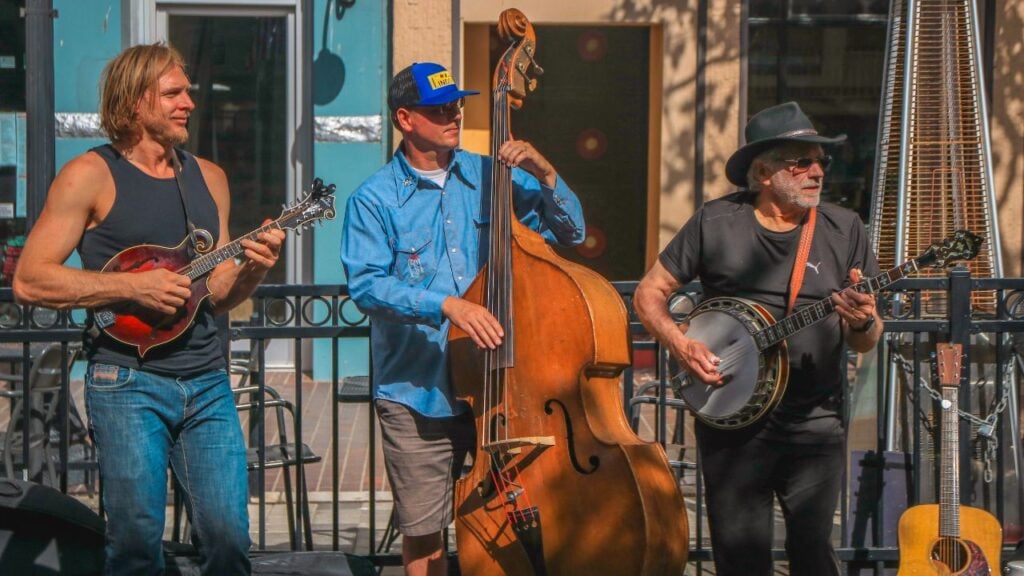
Sitting in on a bluegrass jam for the first time can feel like joining a conversation halfway through.
Tennesseans who play regularly follow unspoken customs that newcomers aren't always told about.
