
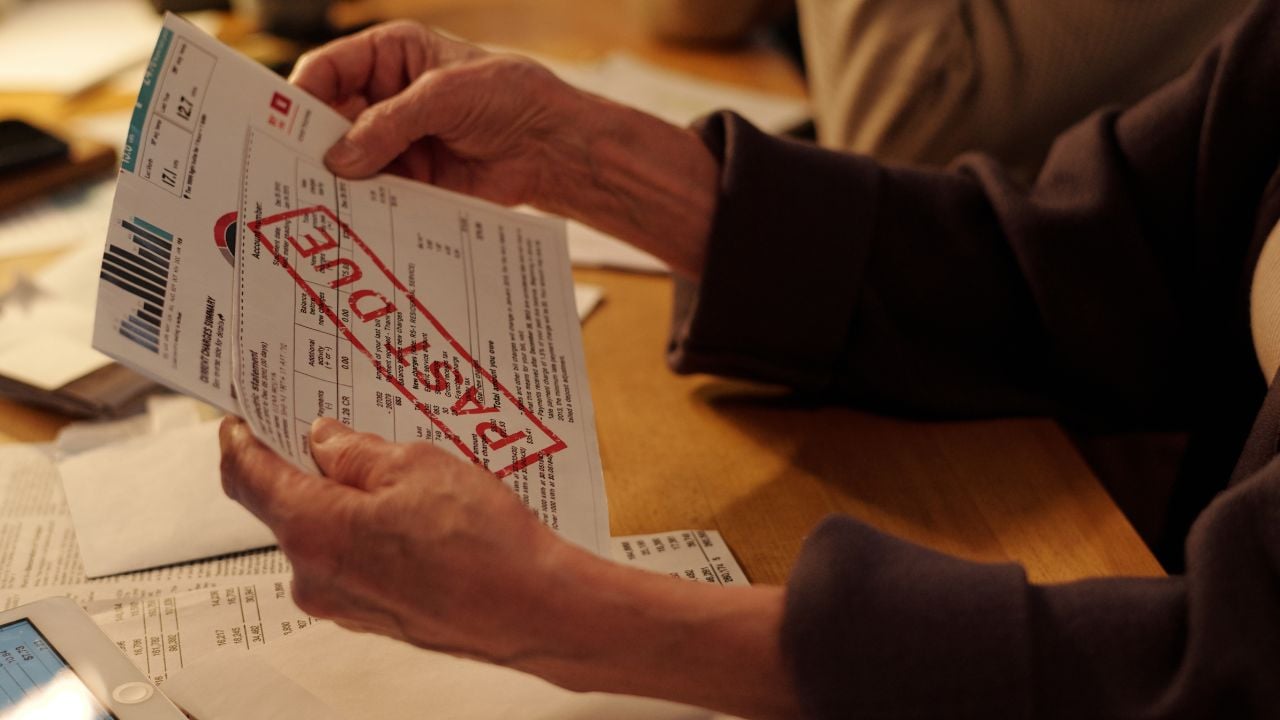
What Happens If You Miss a Property Tax Payment in California?

Miss a property tax payment in California, and the state charges a 10% penalty within weeks, not months.
It won’t take your house right away.
California gives a homeowner a full five years of unpaid taxes before a county can put the property up for auction, and payment options don’t run out until the sale happens.
The penalties, though, start piling up long before that five-year mark, and they compound every month you wait.
Note: This is general information, not legal or tax advice. Penalty rates, fees, and sale procedures can vary by county and are subject to change, so confirm the current details with your county tax collector’s office.
When California Property Taxes Are Due
California’s property tax bill splits into two installments every year, and each one carries its own hard deadline.
The first installment is due Nov. 1 and turns delinquent at 12:01 a.m. on Dec. 10.
A 10% penalty lands on that installment the moment a homeowner misses it, per Los Angeles County’s own tax collector.
The second installment is due Feb. 1 and turns delinquent at 12:01 a.m. on Apr. 10.
That one carries the same 10% penalty, plus a small collection cost in many counties.
Two deadlines carry two separate penalties.
There’s no grace period.
The Penalty for Paying After the Deadline
California’s late penalty is a flat rate, not a countdown, so paying one day late costs the same as paying five months late.
Say a home’s annual tax bill runs $6,000, split into two $3,000 installments.
Miss the December deadline, and the 10% penalty tacks on $300 to that installment alone.
The second half adds another $300 come April, plus that county’s collection cost.
That’s six hundred dollars gone.
It disappears before summer even starts, and the taxes haven’t even gone into default yet.
What “Tax-Defaulted” Status Means
California property taxes become officially tax-defaulted at 12:01 a.m. on July 1 if the full year’s bill is still unpaid.
That’s the turning point, not the two delinquency dates before it.
From that morning forward, the county tacks on a flat $15 redemption fee, the same amount in every county under state law, and the unpaid balance starts accruing 1.5% of the base tax every single month.
A separate $150 cost can also land on the bill, but only if the property redeems within 90 days of a scheduled tax sale.
Run the math: 1.5% a month works out to 18% a year.
It keeps compounding for as long as the bill sits unpaid.
It adds up fast.
The Math Behind California’s 1.5% Monthly Penalty
California charges that 1.5% penalty on the base tax owed, applied fresh every month a bill stays tax-defaulted.
On a $3,000 unpaid installment, that’s $45 a month, or $540 a year, stacked on top of the original 10% penalty and the redemption fee.
Wait the full five years, and the penalties alone can rival the tax bill.
Psst! How much do you know about the law behind every California tax bill? Take our quiz and see if you can ace it.
Quiz
California Tax History IQ
Answer these questions on Proposition 13 and California’s property tax rules. We bet you can’t get them all right. Prove us wrong?
What date did California voters pass Proposition 13, the law that still caps property tax rates today?
The Five-Year Countdown to a Tax Sale
California gives a tax-defaulted property five years before a county gains the power to sell it, under Section 3691(a) of the California Revenue and Taxation Code.
That clock starts on the same July 1 default date, and a homeowner can pay off the full redemption amount at any point during it to stop the sale cold.
One narrow exception moves faster: If a county has already recorded a nuisance abatement lien on the property, Section 3691(b) of that same code shrinks the wait to three years instead of five.
Only one exception exists.
Outside of it, California doesn't accelerate the clock just because the balance keeps growing.
How a California Tax Sale Works
California only reaches this point, an actual tax sale of the home, once every deadline and payment plan described above has failed.
That sale happens only after the five-year clock runs out, and the process is far more formal than a simple auction gavel.
The county tax collector must mail a certified notice 45 to 120 days before the sale, plus publish or post public notice.
For an owner-occupied primary residence, the law goes further and requires actual personal contact, not just a letter in the mail.
Many counties run the sale as a public online auction, open to any bidder willing to cover the full defaulted amount.
Win the bid, and the buyer receives a tax deed to the property itself, not a lien against it.
Nobody swings a gavel.
Psst! Curious how the countdown plays out, step by step? Tap through this table and see where your own deadline falls.
A Payment Plan That Stops the Sale
California lets a homeowner who has already missed payments stop everything described above with a five-year installment plan of redemption, administered by the county tax collector once a bill goes tax-defaulted.
Enrolling takes a down payment of at least 20% of the full redemption amount, plus that year's current taxes, per the same county redemption rules.
From there, the plan runs one payment a year for five years, each at least 20% of the remaining balance, due by Apr. 10.
Interest never stops.
It keeps accruing at that same 1.5% a month on whatever balance is left, even while the plan runs.
The whole plan defaults the moment a single annual payment comes up short.
A new plan can restart the following July 1, but only until the original tax-default date turns five years old, per Section 4217 of the code.
Once that five-year mark passes, the property becomes subject to the power of sale no matter how many times a plan defaulted before it.
Catching up gets cheaper fast for anyone sitting on an unclaimed property tax break, since a lower base bill means a smaller default to redeem.
What Happens to Extra Money From a Sale
Selling the home isn't the end of the story once California holds a tax sale.
A winning bid can run higher than the debt owed.
California tax sales sometimes bring in more than the property owed, and that leftover money doesn't just stay with the county.
It's called excess proceeds.
The former owner, along with any lienholders, can file a claim for it.
None of that happens automatically, though.
California gives claimants about one year from the date the tax collector's deed records to file.
That window closes for good once it passes, and the money reverts to the county.
Nobody notifies every former owner automatically, so it pays to ask.
Psst! Not sure how close your own home is to serious trouble? Run through this checklist and see where you land.
FAQ
These are the straight answers to what Californians ask most about a missed property tax payment.
How many years do you have before California can sell your home for unpaid property taxes?
Five years from the date your taxes become tax-defaulted, for a typical owner-occupied home. You can pay the full redemption amount any time before the auction and stop the sale.
What is the penalty for paying California property taxes late?
A 10% penalty on the missed installment, added at 12:01 a.m. on Dec. 10 or Apr. 10. Miss the whole year, and the taxes go tax-defaulted with an added penalty of 1.5% a month plus a redemption fee.
Can you set up a payment plan for defaulted property taxes in California?
Yes. California law lets a county tax collector offer a five-year installment plan of redemption once your taxes default, requiring at least 20% down and annual payments through April 10 for five years.
Does California sell your actual house or just a tax lien?
California sells the property itself at public auction once the five-year redemption period runs out, not a lien certificate. The winning bidder can receive a tax deed to the home.
What happens if your California home sells for more than you owed in back taxes?
The county keeps only what covers the debt. The leftover amount, called excess proceeds, becomes available for the former owner to claim, usually within one year of the sale.
A tax deed wipes out a homeowner's mortgage along with almost every other private lien recorded against the property before the sale, under Section 3712 of the Revenue and Taxation Code.
A short list of exceptions survives anyway, including recorded easements, unpaid Mello-Roos special taxes, and any federal IRS lien the agency doesn't release, which the IRS can still redeem for up to 120 days after the auction.
9 California Squatter Laws That Cost Homeowners Who Ignore Them
A locked cabin above Lake Tahoe, a padlock that isn't the one the owners left, and boots drying by a door they didn't open.
California's squatter laws catch homeowners off guard in ways that have nothing to do with taxes at all.
9 California Squatter Laws That Cost Homeowners Who Ignore Them
10 Things California Employers Can't Legally Ask You

A hiring manager starts a question, then stops cold halfway through.
California crossed several off the interview list years ago, and many job seekers have no idea.
