

Fact or Fiction? 10 Pieces of Weather Lore South Carolina Grandparents Swore By

A woolly worm crawled across a driveway in Anderson County, South Carolina, last October, and three generations stopped the car to check its stripes.
Grandpa called for a hard winter right there on the spot.
The National Weather Service tells a different story.
These are the pieces of weather lore South Carolina grandparents swore by, checked against what meteorologists know.
1. Red Sky at Night
Grandparents up and down the South Carolina coast leaned on one saying more than any other.
Red sky at night, sailor’s delight.
Red sky at morning, sailors take warning.
Charleston Harbor turns the color of a ripe peach some evenings, and the old timers called it a promise of clear skies ahead.
It’s solid science.
Weather systems in the mid-latitudes typically move west to east, so a red sunset means the dry, dusty air overhead is heading away from you.
A red sunrise means that same dry air is still approaching, with rain close behind.
The saying breaks down only when a storm swings up from the south instead of rolling in from the west, which happens along the Grand Strand more than old sailors ever accounted for.
On those mornings, the old rule falls apart.
2. Counting Cricket Chirps
Summer nights in the Upstate hum with one long cricket chorus.
Grandparents used it as a thermometer long before anybody carried a weather app in their pocket.
Count the chirps for 15 seconds.
Add 40, and you’ve got the temperature in Fahrenheit, give or take a few degrees.
That trick is called Dolbear’s Law, and scientists have tested and confirmed it works, especially with the snowy tree cricket.
It’s accurate.
A cricket’s chirp rate speeds up as the air warms and slows as it cools, controlled entirely by its body temperature.
Different species chirp at different rates, so the formula works best on that one thermometer cricket, not just any bug on the porch.
Grab a lawn chair on an August night and try the math yourself.
3. Ring Around the Moon
Ever notice a hazy ring circle the moon over the Lowcountry?
Grandparents took it as fair warning that rain was two or three days out.
The ring isn’t an illusion.
Moonlight bends through ice crystals in high, thin clouds at a 22 degrees angle, and that bend is what makes the halo.
Those high clouds often drift out ahead of a storm system, sometimes hundreds of miles ahead of the rain.
So the halo can be an honest early warning.
It just isn’t a guarantee.
The storm still has to follow through, and many halos fade into an ordinary, dry Beaufort evening instead.
Call it partly true.
4. Mackerel Sky, Mares’ Tails
Shrimp boats working out of Murrells Inlet used to watch the clouds as closely as the tide charts.
Mackerel scales and mares’ tails make tall ships carry low sails, the old rhyme goes.
Those two cloud shapes, a rippled pattern that looks like fish scales and long, wispy streaks, both signal a shift in the atmosphere overhead.
They usually show up within 24 hours of a change in the weather, whether that’s rain moving in or a front passing through.
Sailors weren’t just being poetic.
It holds up.
A mackerel sky forms when moisture gets trapped between dry air below and cold, dry air above, and that setup often means calm weather won’t last.
Watch for it before you head out on the water.
5. Pine Cones Closing Tight
Check a pine cone off a longleaf pine in South Carolina’s Sandhills.
Grandparents used it for a short-range forecast.
Pine cones open their scales in dry air to release seeds and close up tight when humidity rises, often the first sign rain is close.
Not a myth.
Humidity rises before many days that stay dry anyway, so a closed cone doesn’t guarantee a downpour.
The old trick about cone height predicting how hard a winter will get is a different story.
Foresters say trees grow cones higher for seed dispersal, scattering seeds farther from the trunk, not to forecast snow.
The closing test holds up, a little.
The height test doesn’t hold up at all.
6. Woolly Worm’s Stripes
A fuzzy black-and-rust caterpillar crossing a driveway in the Upstate every fall used to draw a crowd of its own.
Grandparents would examine the width of its middle band.
A wide brown band supposedly meant a mild winter.
Mostly black supposedly meant a hard winter.
The National Weather Service says the band width has nothing to do with the season ahead.
It’s a myth.
The caterpillar’s colors reflect how good its own growing season already was, not what’s still coming.
There are roughly 260 species of tiger moths, each with a different color pattern, so the caterpillar on a Spartanburg driveway may not even match the caterpillar from a story two counties over.
It molts six times, and its bands turn less black and more reddish with each one.
That’s biology, not meteorology.
7. Persimmon Seed Spoons and Knives
Slice a persimmon seed in half in the Midlands.
Grandparents would read the shape inside like tea leaves.
A spoon shape meant a snowy winter.
A knife shape meant bitter, cutting cold.
A fork shape meant a mild season.
There’s no science behind the shapes.
Not proven.
University extension researchers who study the tradition call it fun, not forecasting, though one Missouri extension office that tested it for years landed right about 13 of 17 years, better odds than a coin flip.
That’s still short of proof.
The seed itself just reflects how the tree grew that year, the same story as the woolly worm’s stripes.
Grandparents kept slicing them anyway.
8. Groundhog Day’s Six Weeks
Every February 2, South Carolina TV crews still cut to Pennsylvania to see whether a groundhog spots its shadow.
See a shadow, six more weeks of winter.
No shadow, an early spring.
Grandparents watched every year, mostly for the ritual, since South Carolina winters rarely require six more weeks of anything.
The National Weather Service has graded the groundhog’s actual record.
It sits around 35%, worse than a coin flip.
Handlers pull the groundhog from a burrow, camera flashes going off, and call whatever happens next a forecast.
The groundhog isn’t doing the forecasting.
Charming tradition.
Bad meteorologist.
Psst! Grandparents weren’t the only South Carolinians with sayings about the sky. Take a guess on these before you tap to see if they hold up.
9. Cows Lying Down Before Rain
Notice a whole herd lying down together in a pasture out in Anderson or Oconee County?
Grandparents took that as a sure sign of rain by evening.
It doesn’t hold up.
Researchers have found no link between a cow lying down and rain on the way.
Cows mostly lie down because they’re chewing their cud, resting their legs, or just getting comfortable, the same reasons they’d lie down on a bone-dry August afternoon.
The herd isn’t reading a forecast.
Farmers do watch their herds for other clues, a heavy coat coming in early or cattle pressed tight against a fence line during an actual cold snap.
None of that has anything to do with an afternoon nap in the shade.
10. Big Acorn Crop
Picture a Lowcountry yard ankle-deep in acorns some Octobers.
Grandparents took a yard like that as a warning to stock up before winter.
A bumper acorn crop supposedly means a rough winter ahead.
It’s a myth.
A heavy acorn year is called a mast year, and oaks fall into these mast years every two to five years based on the weather they just had, not the weather still coming.
Squirrels don’t know what’s coming either.
They just gather more because more food is sitting on the ground.
A hard mast year does mean more squirrels survive to spring, since a bigger acorn supply means fewer starve over the winter.
Grandparents just called it a good year to be a squirrel and let the acorns pile up under the porch steps.
9 South Carolina Backyard Pests That Ambush Newcomers Every Summer
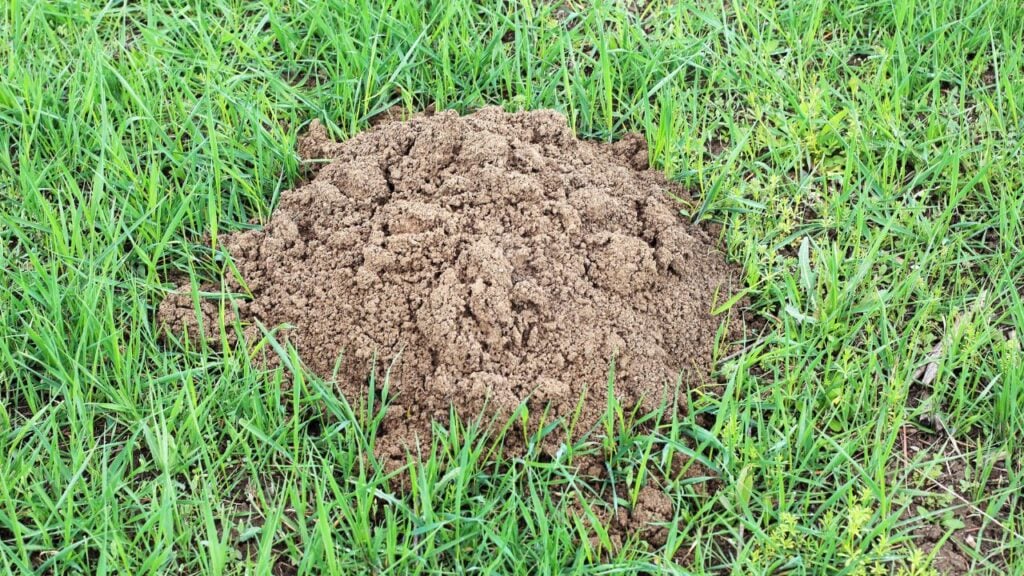
A newcomer in Mount Pleasant learns fast that a South Carolina yard has more waiting in it than grass.
Yellow jackets are only the first surprise waiting in the yard every summer.
9 South Carolina Backyard Pests That Ambush Newcomers Every Summer
11 Small-Town South Carolina Diners Locals Drive Out of Their Way For
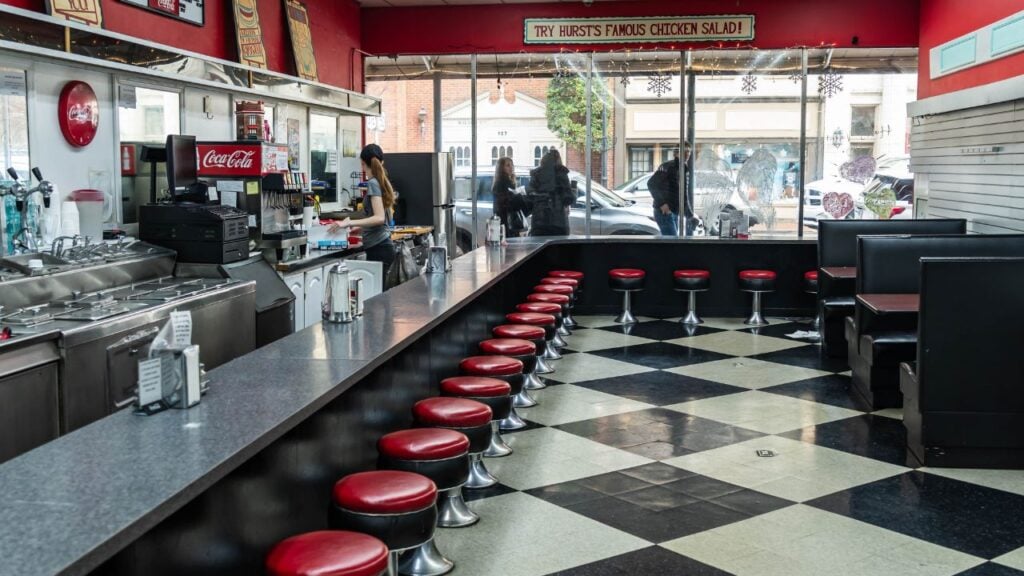
Ask a small-town South Carolinian where to eat, and the answer is never a chain.
It’s a back road, a cinderblock building, and a hand-painted sign worth the drive.
11 Small-Town South Carolina Diners Locals Drive Out of Their Way For
