
Montana or West Virginia: Who Has Worse Animal Crash Odds in State Farm’s Report? 3 Things That Change on Montana Roads in November

On Halloween, the sun will set in Helena at 6:14 p.m. By the next evening, it’ll be down at 5:13 p.m.
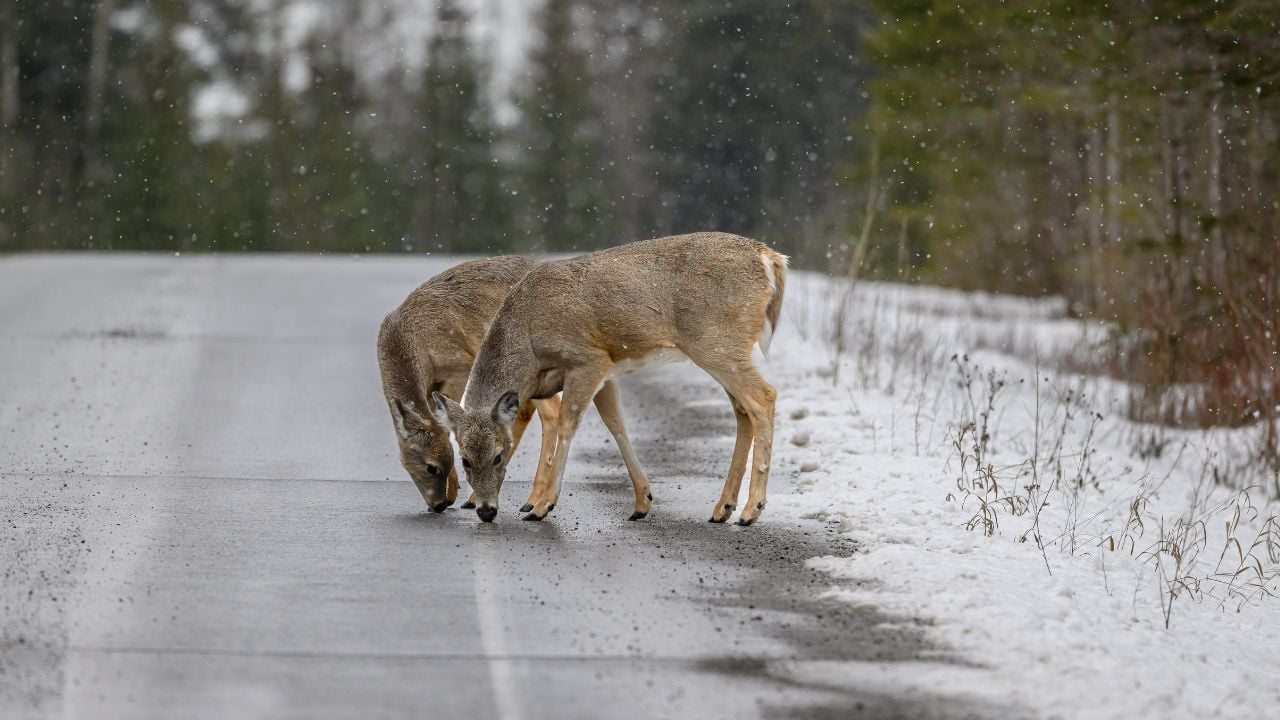
Unfortunately for drivers on the road at that hour, collisions with wildlife tend to occur around dawn and dusk, and Montana and West Virginia are near neck and neck with animal crash rates.
Here’s what changes on Montana roads in November.
Note: This is general information, not legal or insurance advice. Road rules and coverage terms are subject to change.
1. Deer Breeding Season
White-tailed deer breed in mid-to-late November.
In western Montana, breeding runs from late November into early December.
Mule deer breed in late November too, and rutting bucks travel among doe groups.
State Farm’s 2026 report puts Montana drivers’ odds of hitting an animal at 1 in 54, second only to West Virginia.
The Montana Department of Transportation (MDT) says 13% of reported crashes in the state are wildlife-related.
Those collisions increase during the fall and spring and occur around dawn and dusk.
When you see one animal, expect more to appear.
How State Farm’s 1 in 54 Compares
State Farm’s 1-in-54 figure for Montana covers July 1, 2025, through June 30, 2026.
Nationwide, the odds are 1 in 145, an improvement from 1 in 139 a year earlier.
West Virginia leads at 1 in 46, followed by Montana, then Wisconsin at 1 in 62, Pennsylvania at 1 in 64 and Michigan at 1 in 68.
2. Clocks Falling Back
Dusk arrives an hour earlier on Montana roads when clocks fall back at 2 a.m. on Sunday, Nov. 1.
In Helena, sunset moves from 6:14 p.m. on Oct. 31 to 5:13 p.m. on Nov. 1.
Under Montana law, you need your lights on from one-half hour after sunset to one-half hour before sunrise.
That moves your lights-on time in Helena from about 6:44 p.m. to about 5:43 p.m.
Sunrise moves from 8:09 a.m. to 7:10 a.m. on the same dates.
A 2022 study of more than 1 million deer-vehicle collisions across the United States found a 16% spike in the week after the clocks fell back.
The clock change shifts peak traffic from before sunset to after sunset.
3. Snow and Ice
Snow on Montana roads picks up in November, when Billings normally gets 6.5 inches, up from 4.5 inches in October, based on 1991-2020 normals.
MDT tells you to expect ice on bridges and in shady spots and to slow down in poor visibility.
When you approach a snowplow from behind, reduce your speed immediately and don’t pass unless it’s absolutely necessary.
Check that all four of your tires are in good condition.
You can check your route at 511mt.net before you leave.
Montana’s 511 website and app were accessed more than 6 million times in the 2024-2025 winter season, and roadside weather stations have cameras that pull images every 15 minutes.
Psst! How much do you know about wildlife and highways? Take our quiz and see how many you can get right.
Quiz
Wildlife and Highway IQ
Answer nine questions on Montana wildlife, state symbols, and winter driving rules. We bet you can’t get them all right. Prove us wrong?
Which dinosaur is Montana’s official state fossil?
Hunting Season's Final Weeks
You share the road with hunters through Nov. 29, when Montana's general hunting season for deer and elk ends.
The season opened Oct. 24, so 29 of its 37 days fall in November.
A 2012 release from Montana Fish, Wildlife & Parks (FWP) tied hunting pressure, cooler weather and mating season to more wildlife activity in valleys near western Montana roads.
Winter Range Migration
In Montana, elk that winter on the Sun River Wildlife Management Area usually migrate out of the Bob Marshall Wilderness in late November.
A 1955 state report says those elk showed an apparent urge to migrate after the first severe extended storm in November.
Hunting activity often held those elk back in the more rugged country.
In a northwest Montana collar study of 68 female mule deer, many returned to winter range during archery season.
Some stayed in wilderness until after the general rifle season ended.
Plunging minimum temperatures were a strong cue for the mule deer to head back.
A Pew Charitable Trusts researcher told a public radio station in 2025 that November is peak season for animal crashes in the Mountain West.
The end of daylight saving time puts more drivers on the road at dusk, when wildlife are most active, and fall adds mating season and migrations.
Animal in the Road
MDT says to use controlled braking to slow down, then let up on the brake before you hit the animal.
Hold on to your steering wheel and keep following the roadway instead of swerving.
Honk your horn, and if it's dark, flash your headlights.
After a Collision
On the state's roads, the Montana Highway Patrol (MHP) responds to an average of 3,200 wildlife-vehicle collisions a year.
Maintenance crews collect more than 6,000 wildlife carcasses a year.
After a hit, MDT says to pull off the roadway, turn on your emergency flashers and be cautious of passing traffic if you need to get out.
Don't approach or touch a wounded animal, and don't try to move an animal from the roadway.
For emergency assistance, dial 911, or call the MHP 24-hour dispatch center at 855-647-3777.
State Farm says that when it's safe, you should document the scene and vehicle damage.
Before you drive away, check for leaking fluids, damaged tires and broken lights, then contact your insurance company.
Comprehensive coverage typically covers damage from collisions with animals, subject to your policy's terms and deductible.
Wildlife Crossing Funding
Montana now has a state account that pays for wildlife crossings on its roads.
One law set up the account at FWP and created a specialty license plate.
A second law directs a portion of marijuana tax revenue to the account.
5 Snow Removal Mistakes New Montana Homeowners Make Their First Winter
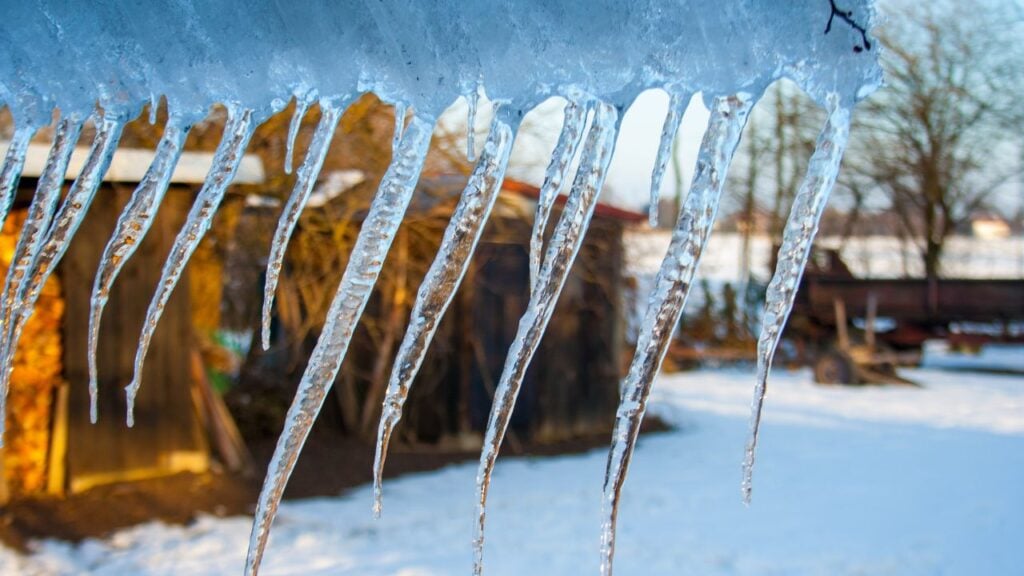
Ice melt is an easy thing to get wrong in a first Montana winter.
It's one of several mistakes new homeowners don't see coming.
5 Snow Removal Mistakes New Montana Homeowners Make Their First Winter
7 Rules Montana Ranch Roads Follow That Aren't Posted Anywhere
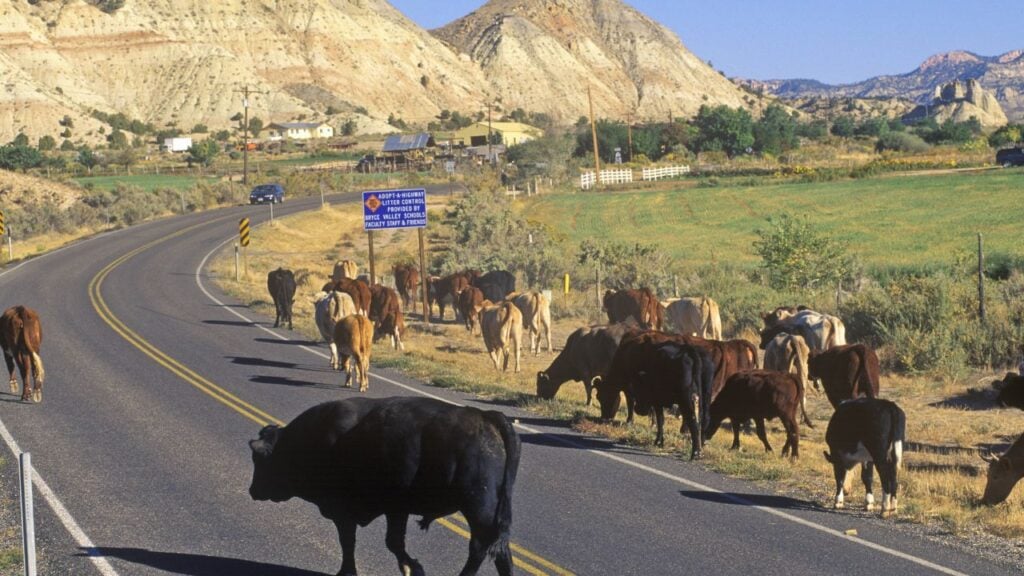
A Montana ranch road can run for miles without a single sign.
Newcomers can easily miss what's expected of them out there.
7 Rules Montana Ranch Roads Follow That Aren't Posted Anywhere
