
Why Does an Unpaid Ohio Water Bill Become a Lien on Your House?

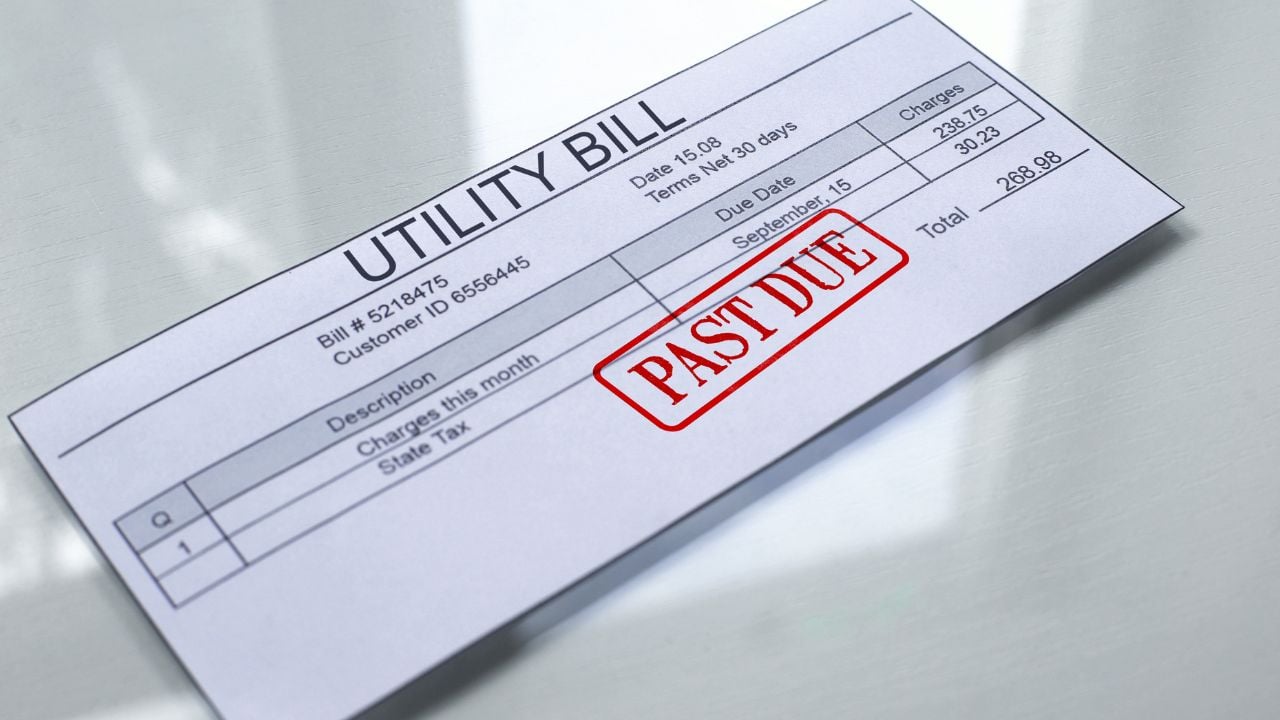
An unpaid Ohio water bill becomes a lien on your house because state law lets the city certify that debt straight to the county auditor, who adds it to your property tax bill.
That charge attaches to the address, not to whoever used the water.
Ohio’s House voted to change part of that rule for landlords back in March 2026, and the bill has sat in a Senate committee ever since.
Nothing has passed yet.
Note: This is general information, not legal advice. Certification thresholds, notice periods, and appeal steps vary by city and county and are subject to change, so confirm the current requirements with your county auditor.
How Ohio Turns an Unpaid Bill Into a Lien
Ohio cities that run a water or sewer utility have a shortcut for chasing an unpaid bill, and it skips small claims court.
State law lets a city certify the unpaid amount to the county auditor once a bill goes delinquent long enough, under Ohio Revised Code section 743.04.
The auditor places the debt on the property tax list and duplicate, the county’s record of who owes what on which parcel.
The lien attaches right then.
That’s the date the charge lands on the list.
From that point, the county collects the water debt the same way it collects a late property tax bill, interest and all.
Not every local government uses the identical statute to do it.
A county-run sewer district follows a similar path under a separate law, Ohio Revised Code section 6117.02.
A county sanitary bill and a city water bill can both end up on the same tax duplicate through two different statutes.
A city can also skip certification and sue whoever signed up for the service instead.
Many Ohio water departments reach for the tax bill first, since it doesn’t require a lawsuit.
What “Collected Like a Tax” Means
Ohio law says a certified water debt is collected the same way as any other tax, and that phrase carries weight.
Real estate taxes in Ohio go out twice a year.
A charge certified in the spring typically lands on the next semiannual bill instead of showing up the same week.
If that installment goes unpaid too, the certified water debt starts collecting the same late penalty and interest as any other overdue property tax.
Why the Lien Follows the House, Not the Tenant
Ohio’s certification statute makes the property the thing the debt attaches to, not the person whose name sat on the water account.
Greater Cincinnati Water Works spells out what that means for its customers.
The property owner is responsible for every dollar of water usage at the address, tenants included.
A lease clause that tries to hand that duty to a renter doesn’t change who the utility comes after.
It won’t chase the tenant.
A certified water lien isn’t the same animal as a contractor’s lien that a contractor files against a homeowner personally after unpaid work.
This one runs with the land, so it follows whoever holds the deed rather than whoever signed the lease or opened the account.
That’s also why the practice draws pushback.
A landlord who never lived at the property and never ran the water still holds the deed to the parcel the county attaches the debt to.
Ohio’s pending legislation exists because state lawmakers heard exactly that complaint from landlords across the state.
Can a Landlord Recover the Money From a Tenant?
A landlord isn’t stuck covering a tenant’s unpaid water charge alone just because the utility bills the owner.
Ohio’s security deposit law lets a landlord deduct unpaid charges a tenant owed under the lease.
The deduction has to be itemized and mailed to the tenant within 30 days of the tenant moving out.
A lease that makes the tenant responsible for water and sewer charges also gives the landlord grounds to sue.
A small claims filing can cover whatever the deposit doesn’t, up to the court’s limit for that amount.
What a landlord can’t do is redirect the utility’s collection effort.
That’s not their call.
Cincinnati’s water utility says outright that it won’t pursue a tenant or a courtesy-bill recipient for a delinquent balance, no matter what the lease says about who’s supposed to pay.
Cleveland Water takes a narrower middle path.
A tenant who signs the utility’s deposit agreement can take on responsibility for bills going forward.
A landlord typically still faces a lien for whatever balance built up before that agreement, since certification runs against the deed, not the account holder.
So the lease decides who owes the landlord.
The certification statute decides who owes the county, and those are two separate fights.
Psst! How much do you know about Ohio’s county governments and water systems? Take our quiz and see how many you can get right.
Quiz
Ohio Local Government Quiz
Answer these questions on Ohio’s county offices, water systems, and courts. We bet you can’t get them all right. Prove us wrong?
Ohio’s constitution gave cities the power to run their utilities, water systems included, starting in what year?
Does It Show Up in a Title Search?
A certified Ohio water lien doesn't show up the way a court judgment or a contractor's lien does because nobody files it at the county recorder's office.
It lives instead on the county treasurer's real estate tax record, since Ohio law folds the debt straight into the property tax bill.
Same office, same bill.
Title companies and closing attorneys routinely pull a payoff figure from the treasurer's office before any sale or refinance closes.
That pull catches a certified water debt right alongside overdue property taxes.
Buyers and lenders expect a clean payoff at closing.
An uncleared certification can delay a sale until the seller pays it off, or until the closing agent holds back enough of the proceeds to cover it.
It's collected the same way property taxes are, so an unpaid certified water lien carries the same ultimate risk unpaid property taxes do in Ohio.
The county can eventually foreclose to collect it.
How to Contest an Ohio Water Lien
The state gives homeowners more than one way to push back on a certified water charge.
The exact steps depend on which city or county certified it.
Many Ohio water and sewer utilities send more than one warning before certification, not just a single bill marked past due.
Cleveland Water mails a notice about four months ahead of certification and a second one about a month out.
A lump-sum payment of roughly a quarter of the balance, followed by a payment plan, can stop the lien before it's ever filed.
Butler County runs on a shorter clock, certifying unpaid balances that are 60 days or more past due.
The calendar isn't the same.
Ohio law also offers a narrower fix once a charge is already certified.
Say it landed on your property because of an old debt tied to a previous owner or a protected type of sale.
You, or anyone with a recorded interest in the parcel, can send the county auditor written notice, and the auditor has to remove the improper charge.
That process only fixes a wrongly certified charge.
It doesn't erase a valid one just because a homeowner disputes the amount.
None of these routes work once a house has already gone to a tax lien sale or a county foreclosure.
Acting on the first notice beats waiting for the second one.
FAQ
Quick answers to what homeowners and landlords ask most about water lien certifications.
Does every Ohio city handle water lien certification the same way?
No.
Cities certify unpaid water and sewer bills under state law, but each sets its dollar threshold and notice period. Cleveland certifies balances of $300 or more after 180 days once service has already been disconnected; Butler County certifies after 60 days.
Can a new homeowner inherit the previous owner's water lien?
Generally, no. Ohio law blocks certification of old charges against a property that changed hands through certain transfers. It also lets a current owner remove an improperly certified charge by sending the county auditor written notice.
Can a landlord force a tenant to pay a certified water lien directly?
No. The county collects a certified lien from whoever owns the property, and many water utilities won't pursue a tenant for the balance. A landlord's recourse against the tenant runs through the lease and the security deposit instead.
Will Ohio's pending bill end landlord liens for tenant water bills?
Not yet. The Ohio House passed House Bill 92 in March 2026 to limit certifying tenant-caused water debt against a landlord's property. It was still sitting in a Senate committee as of this writing.
Does a water lien affect selling or refinancing a house in Ohio?
Yes. The debt sits on the county treasurer's tax record, so it surfaces in the payoff check a title company or closing attorney runs before any sale or refinance. It usually has to be cleared before closing.
Butler County's clock starts well before that 60-day certification mark.
A balance just 25 days past due there triggers a disconnect notice printed on the next bill, and a shutoff can follow at the next meter read.
8 Phone Scams That Keep Working on Ohio Residents

Imposter scams pulled in billions of dollars from Americans last year, and Ohio wasn't spared.
The callers sound calm and official, which is exactly why so many Ohioans still fall for them.
8 Phone Scams That Keep Working on Ohio Residents
8 Rules About a Neighbor's Tree That Ohio Homeowners Get Wrong

Ohio caps small claims cases at $6,000, low enough that many tree disputes between neighbors fit inside it.
Filing is simple, but knowing which rule applies to a fallen branch or an overhanging limb isn't.
8 Rules About a Neighbor's Tree That Ohio Homeowners Get Wrong
